Kibale National Park – Chimpanzee Trekking in Uganda
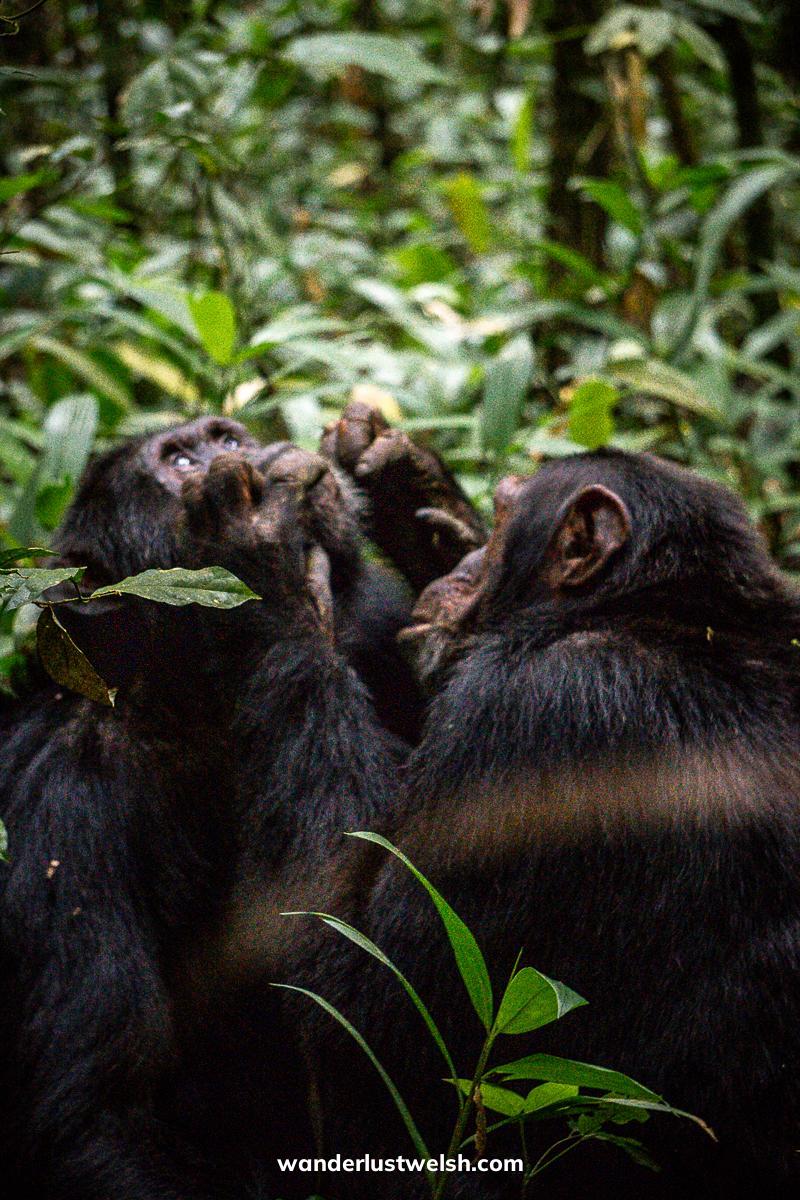
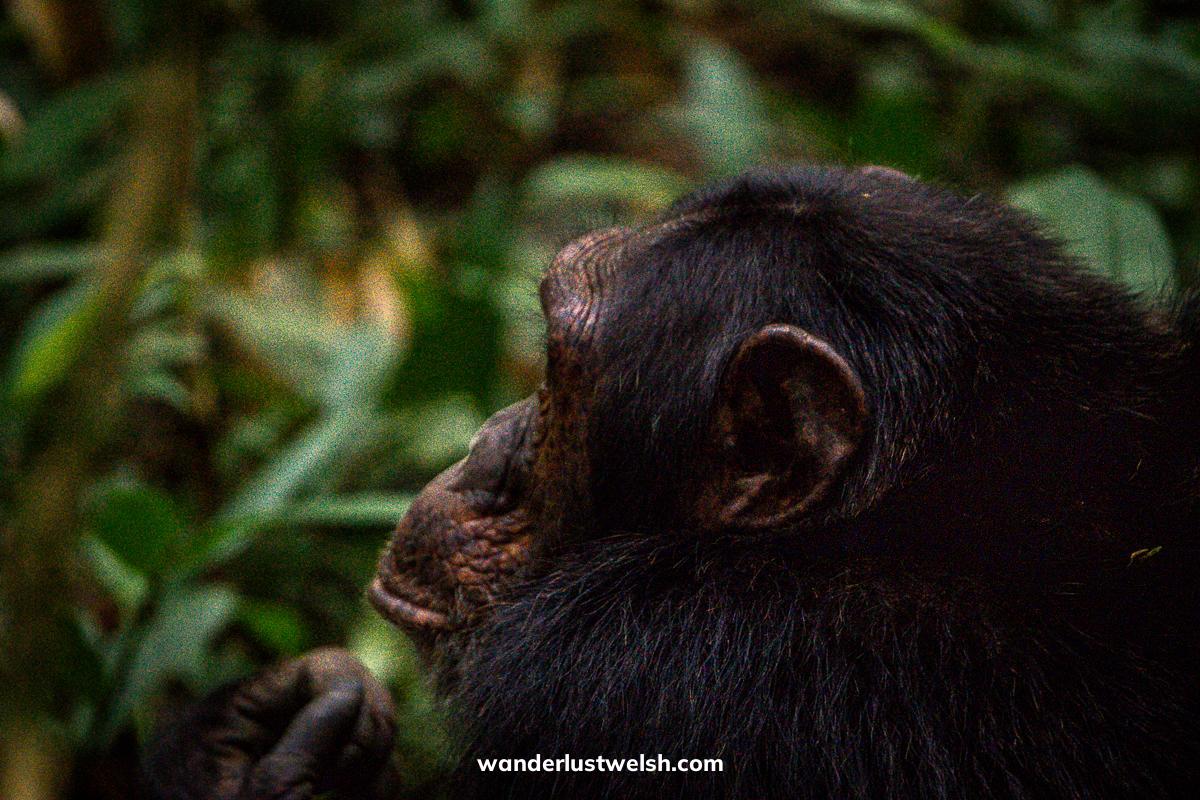
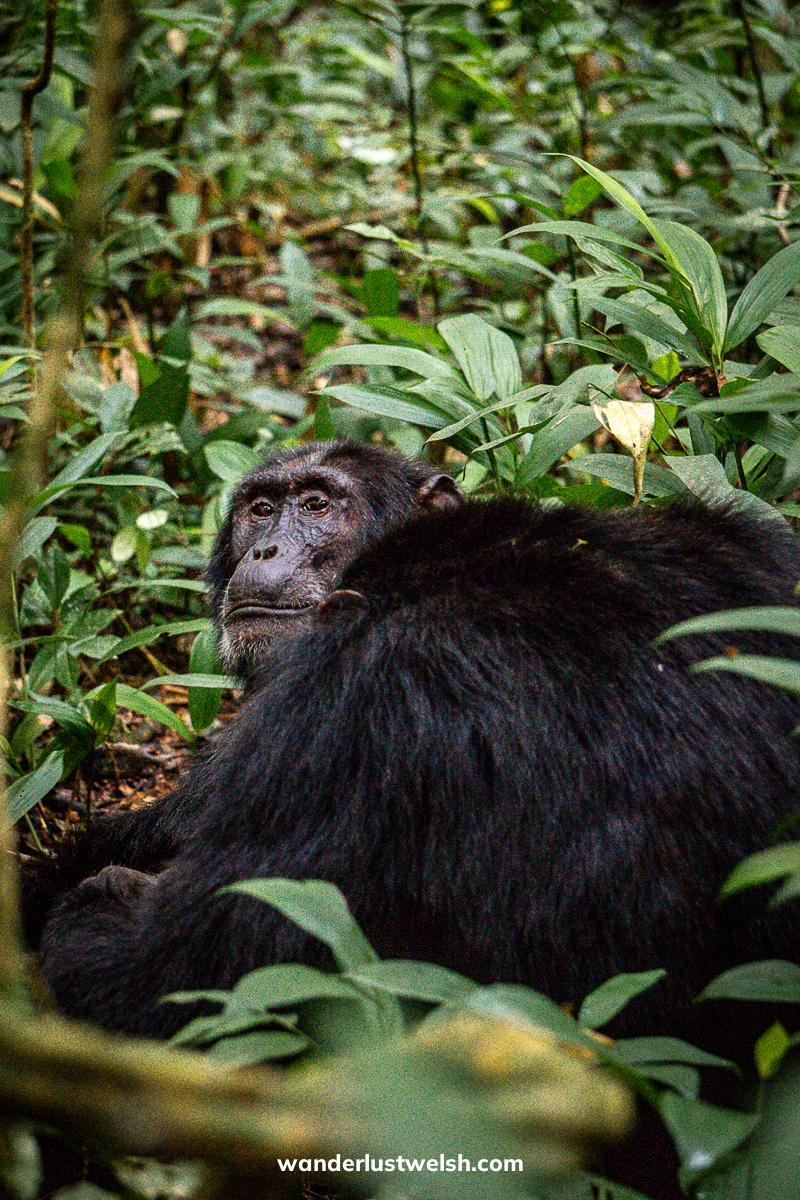
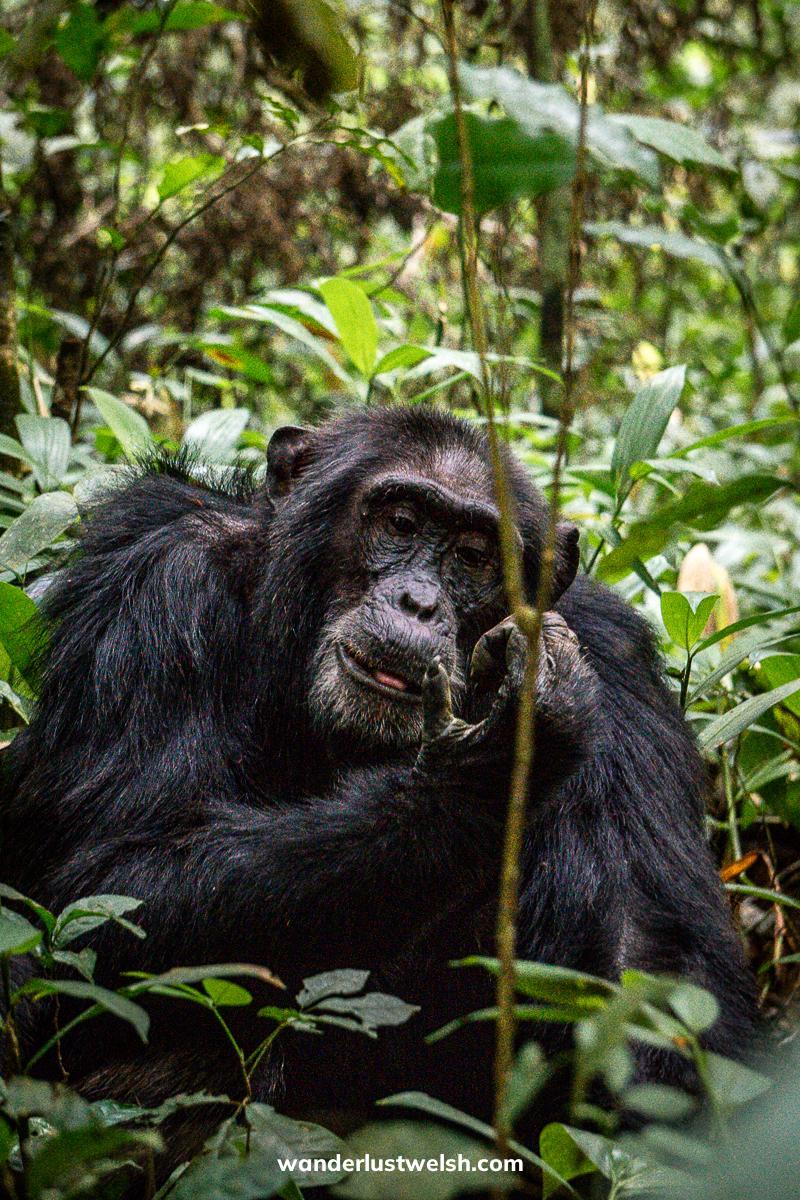
Kibale National Park in the heart of Western Uganda, is home to the country’s incredible chimpanzee trekking. The dense forest at Kibale showcases Uganda’s exceptional natural beauty and biodiversity. Often celebrated as the “primate capital of the world”, this lush area is famed for its thick rainforests, diverse wildlife, and, most prominently, its resident chimpanzee population.
Kibale National Park has a rich history that’s intertwined with the local tribes and incredible conservation efforts. Officially established in 1993, the national park was created to protect a large area of rainforest. Covering around 300 square miles, it’s home to a huge variety of flora and fauna.
The founding of Kibale was part of a broader initiative to promote eco-tourism and sustainability in Uganda. As a result, Kibale is one of Uganda’s top destinations and has one of the most diverse and dense primate populations on earth.
Historically, the area now known as Kibale National Park was inhabited by the Batooro and Bakiga people, who lived as hunter-gatherer tribes in the forest. With the establishment of the park, efforts were made to involve these local communities in conservation activities.
The aim is to ensure that local people benefit from tourism revenues and development projects. Over the years, Kibale has grown in prominence. Today, it attracts visitors from all over the world eager to experience its unique chimpanzee trekking.
Kibale National Park
Kibale National Park, often referred to as the “primate capital of the world“, is renowned for its lush tropical rainforest and the incredible diversity of wildlife it supports.
Located near the town of Fort Portal, the park is characterized by its varied ecosystem, which includes wet tropical forest, dry tropical forest, and woodland. This variety of habitats supports an extraordinary range of species, particularly its primates.
Is Kibale National Park Worth Visiting?
Absolutely, Kibale National Park is worth visiting for so many reasons. Firstly, it’s one of the best places to see wild chimpanzees in their natural habitat. The chimpanzee trekking alone make Kibale a worthwhile destination, but there’s a chance to see many more primates too.
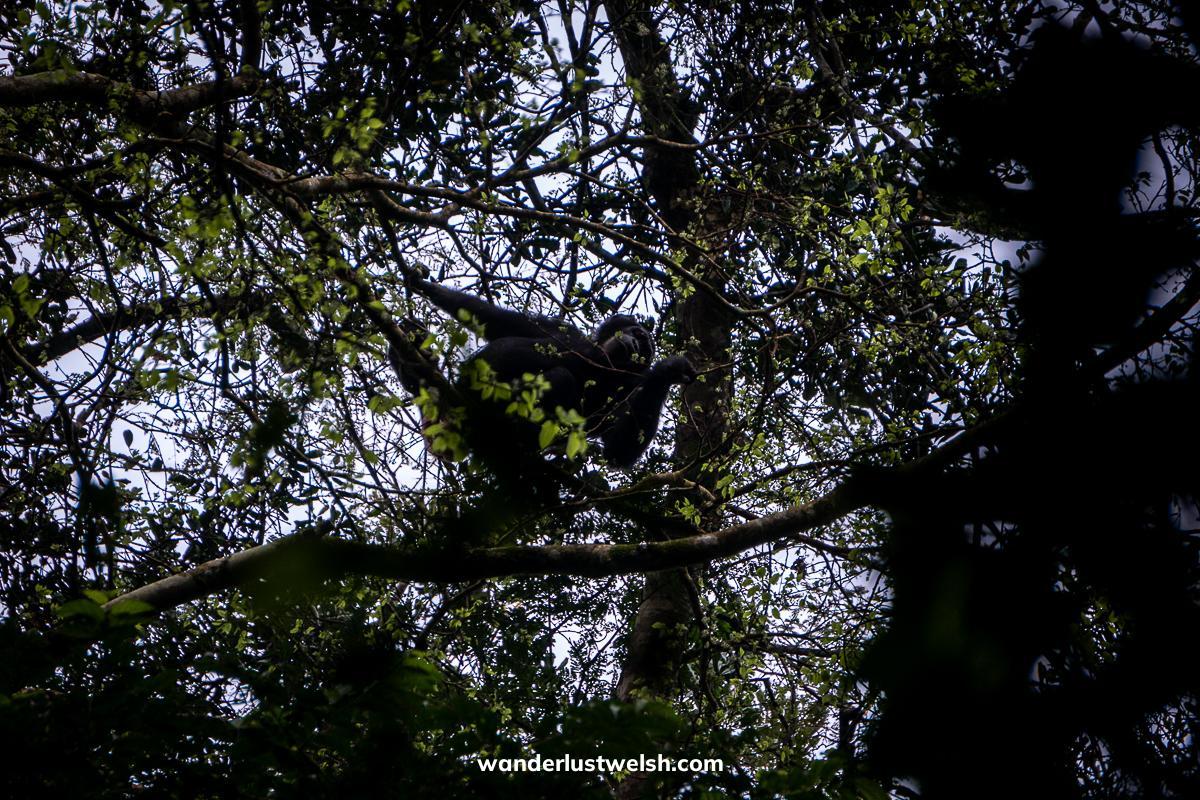
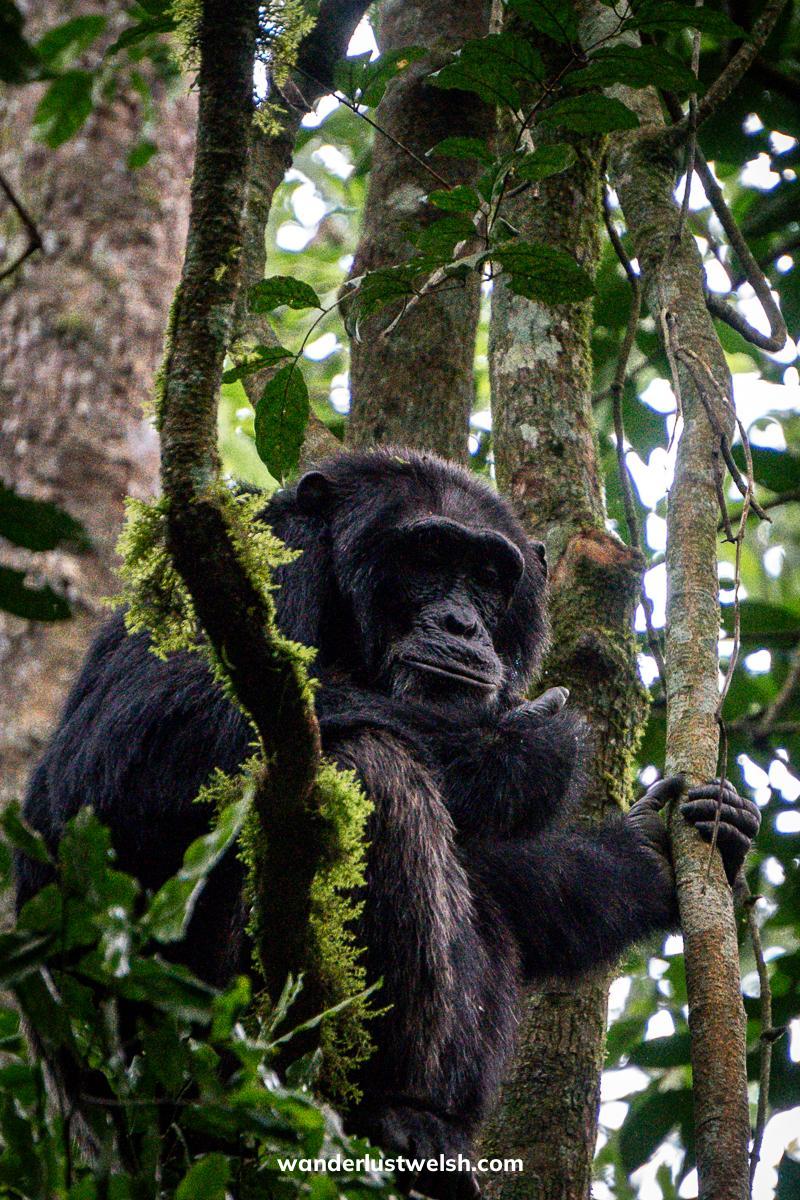
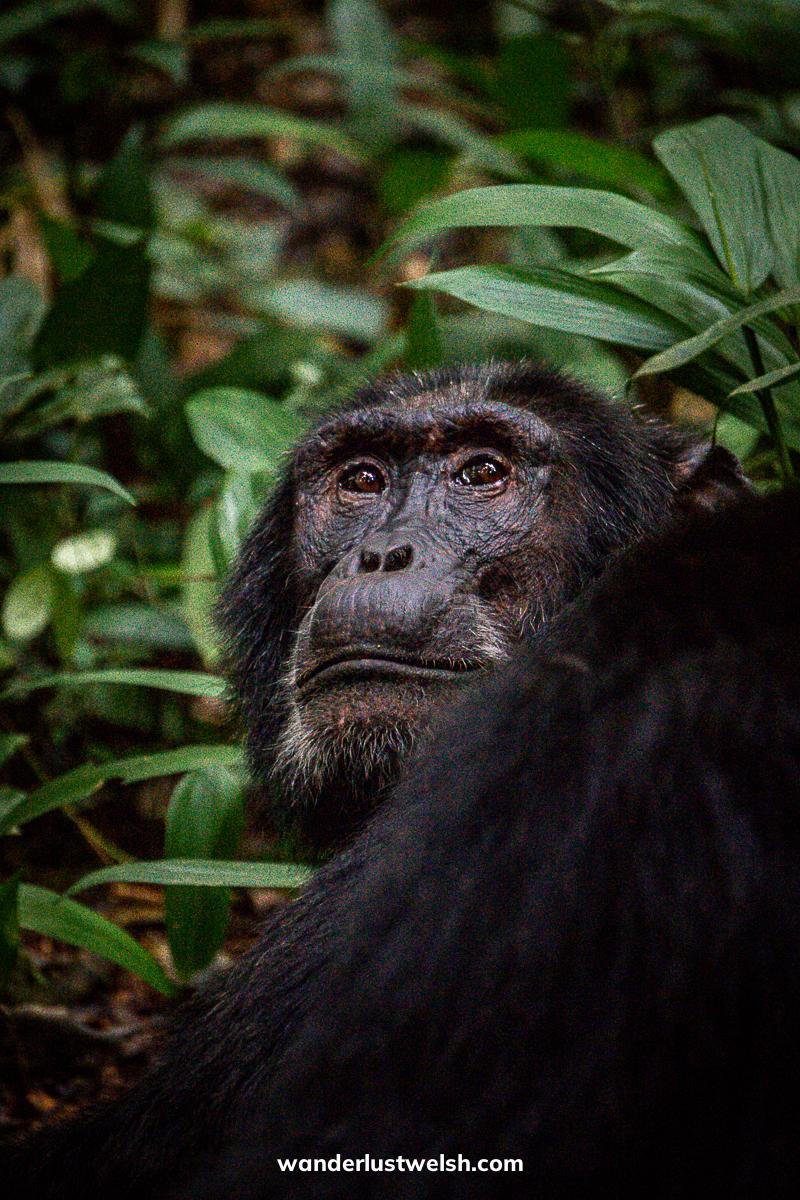
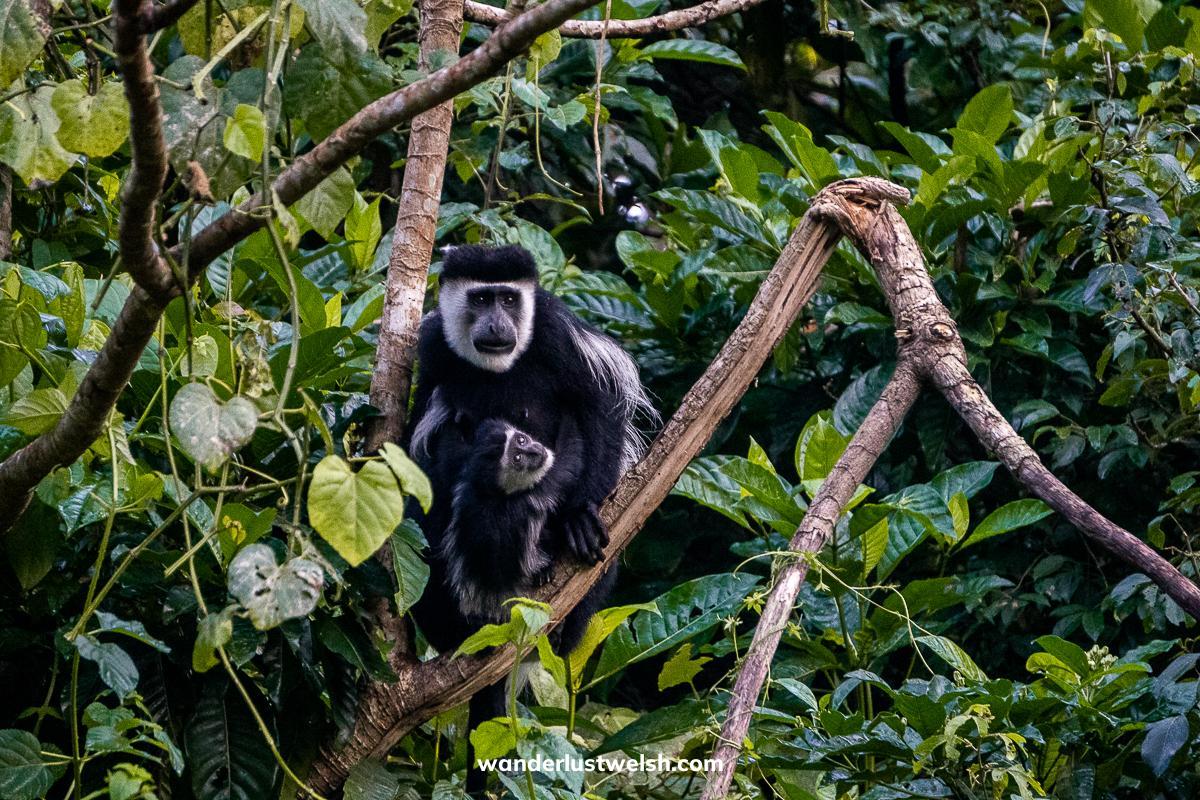
Some notable species with significant numbers in Kibale include red colobus, black and white colobus, and L’Hoest’s monkeys. L’Hoest’s monkeys are only found in this region known as the Albertine Rift. Also, the park offers a variety of other outdoor activities such as forest walks, bird watching, and night hikes.
So, for anyone who enjoys the outdoors—especially involving wild animals—then Kibale is an excellent destination.
Wildlife in Kibale
Kibale National Park is home to an incredible array of wildlife. It’s a true paradise for nature enthusiasts and an important place for scientific research.
The park boasts the highest concentration of primates in Africa, with 13 different species! As well as the chimpanzees and monkeys mentioned, there are another 6 species of Old-World monkeys, and 3 adorable nocturnal species: the potto, and 2 kinds of bushbaby.
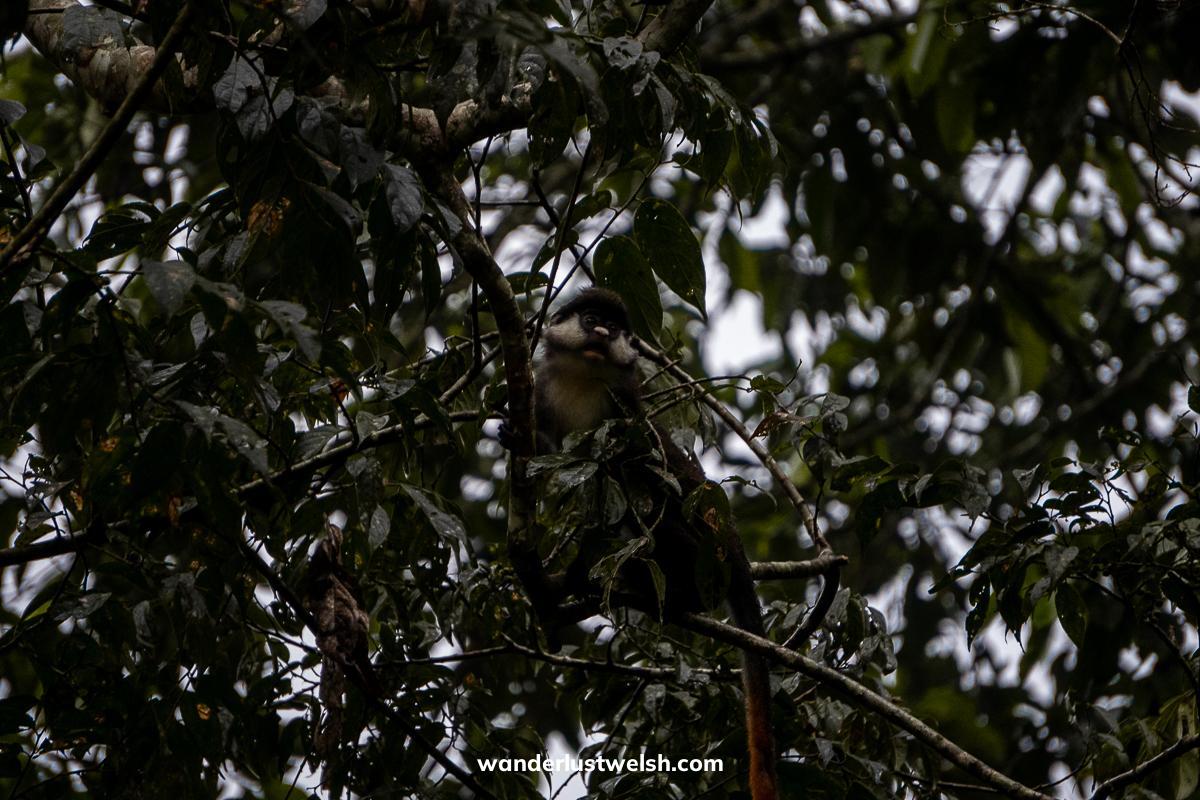
Beyond primates, the park is also home to other mammals such as elephants, buffalos, and even leopards. Although, the chance of spotting these larger animals at Kibale is quite low.
The rich birdlife in Kibale is another highlight, with over 375 species recorded. There are many rare birds that are only native to this region known as the Albertine Rift endemics. It’s also home to the African grey parrot, which most people will be familiar with as a pet, but a more uncommon sighting in the wild.
Kibale wildlife facts:
- 13 primate species
- 71 mammal species including forest elephants and buffalos
- 375+ bird species
- 350+ tree varieties
- 270+ butterfly species
Things to Do in Kibale National Park
The activities at Kibale National Park are organized by the Uganda Wildlife Authority (UWA). It’s better to book most activities in advance, particularly the chimpanzee permits—more on these later.
Chimpanzee Trekking
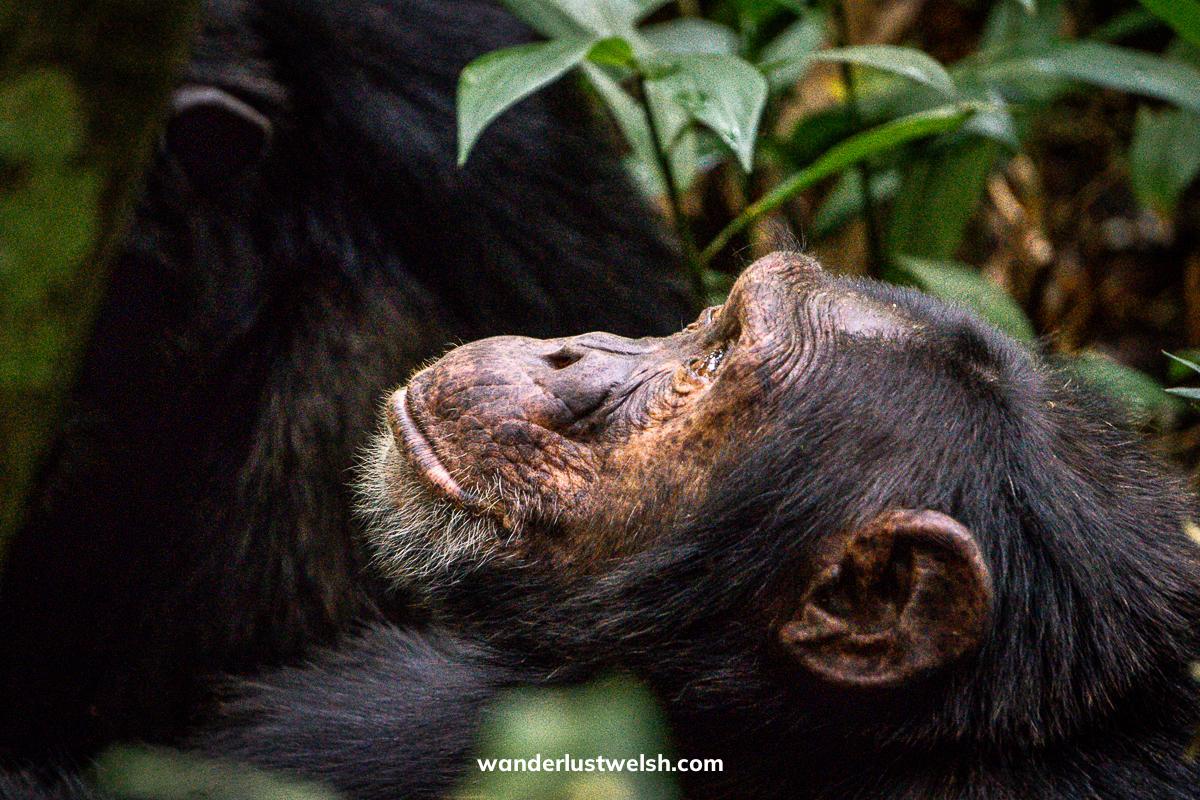
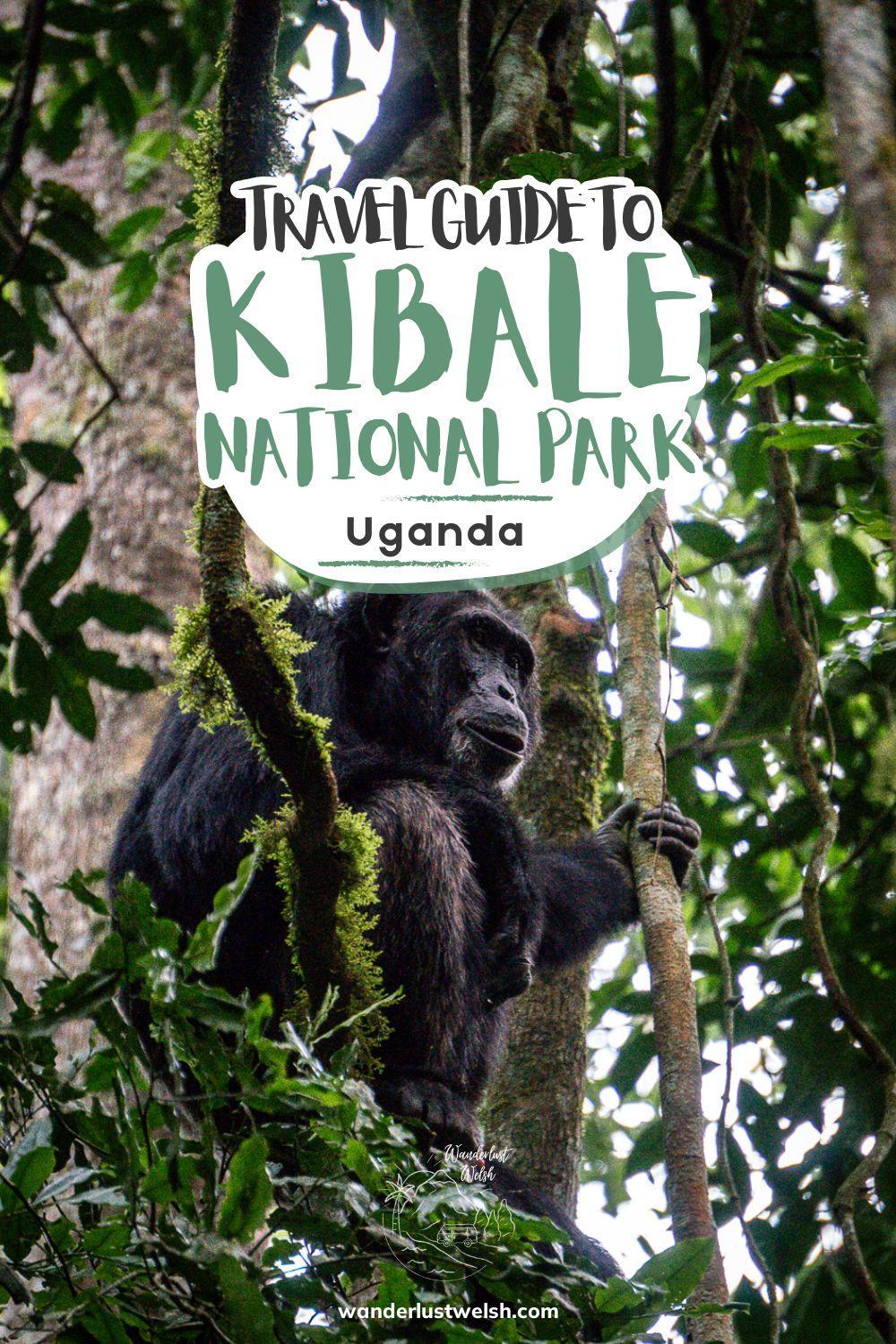
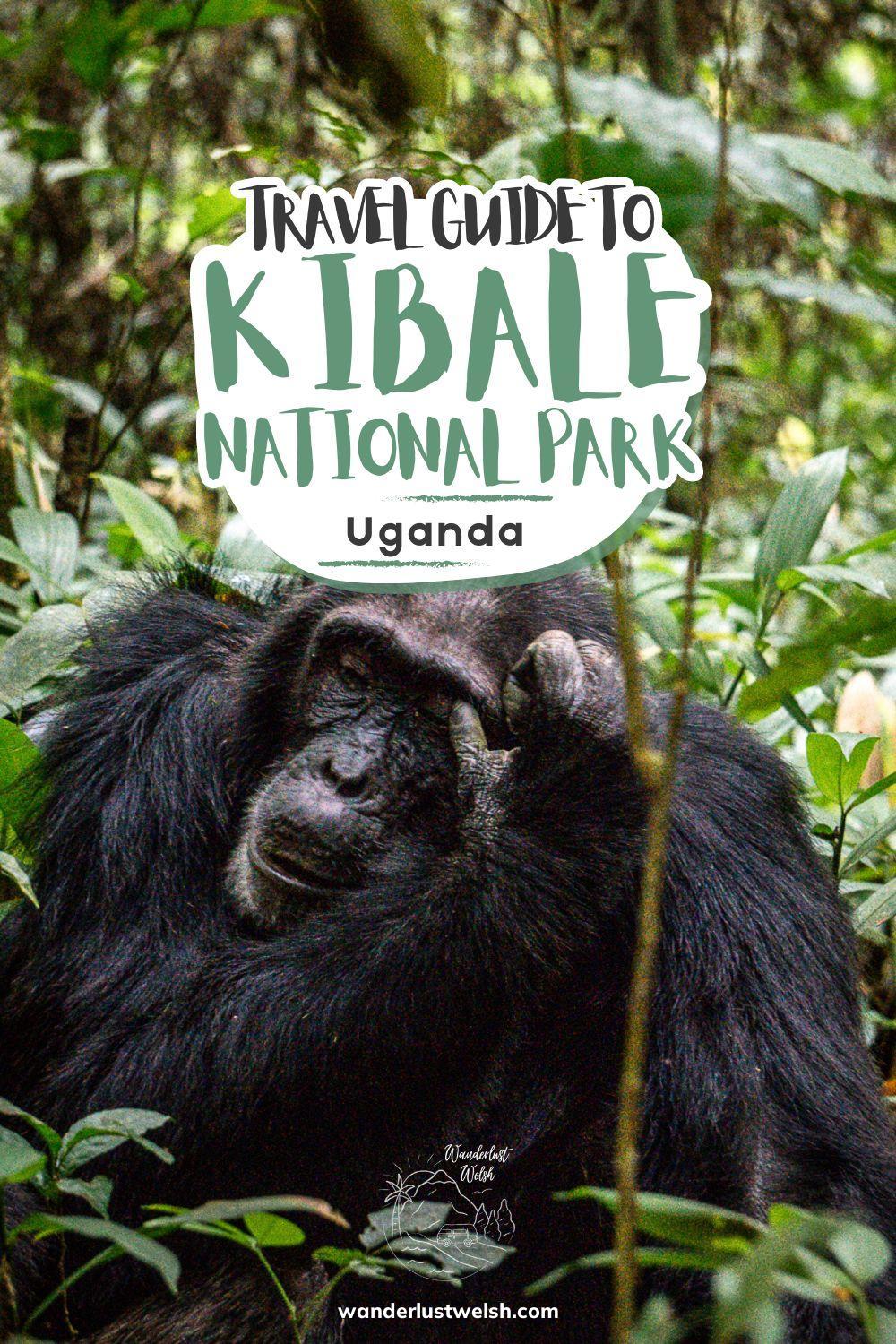
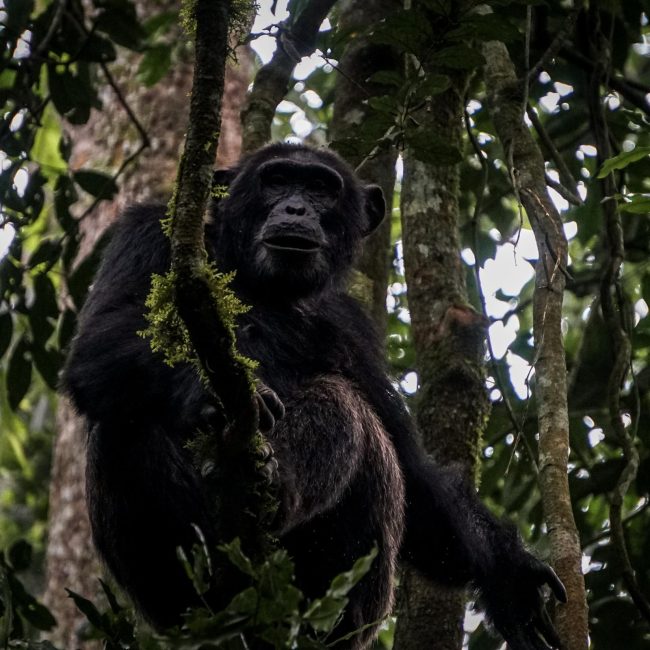
Chimpanzee trekking is undoubtedly the star attraction in Kibale National Park. It’s not a cheap activity, with the permit costing $250 per person, but it was worth every penny in our opinion. Getting up close and personal with our closest animal relatives is an unforgettable experience.
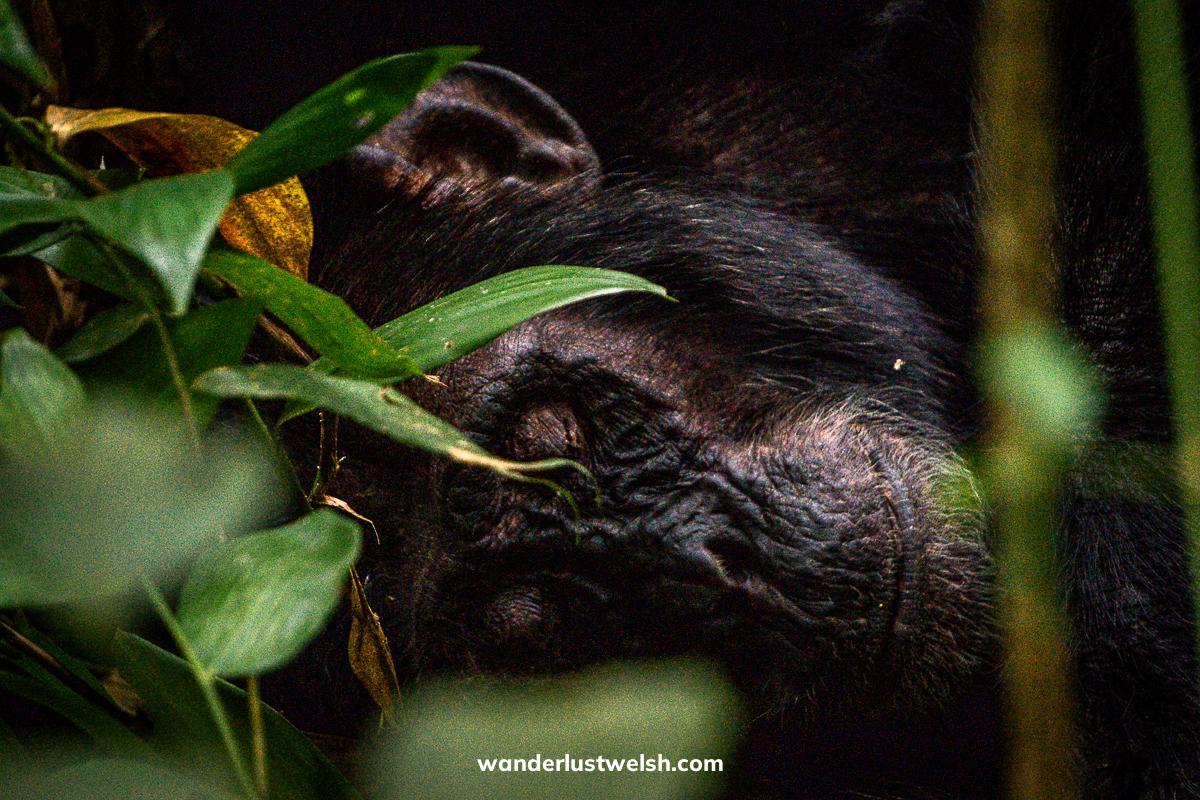
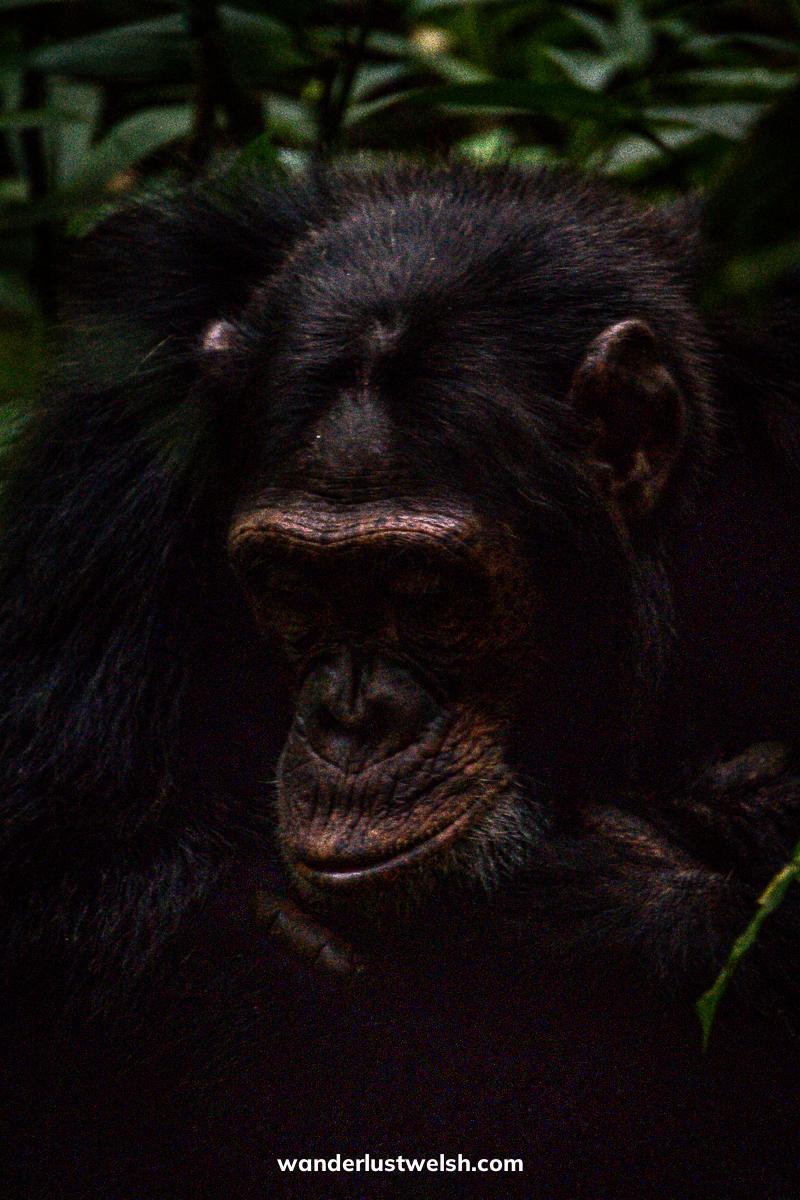
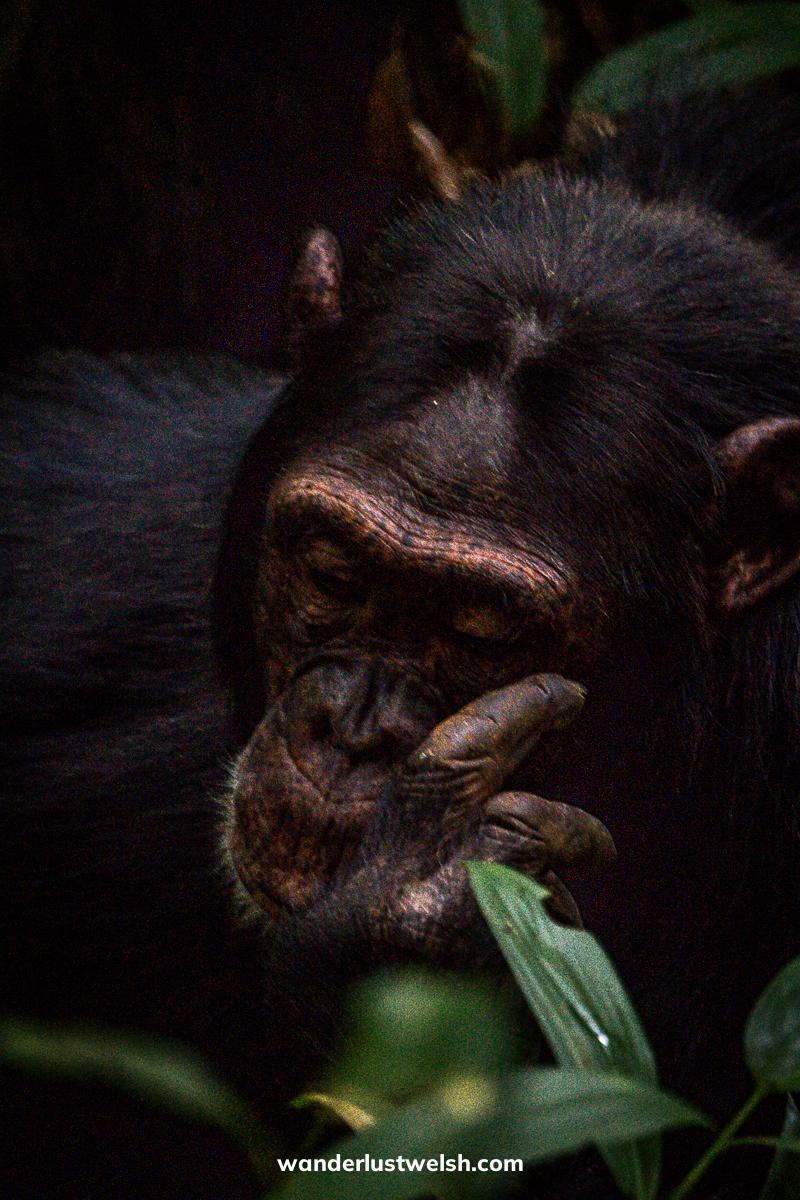
There is a daily limit to the number of permits granted, so be sure to book well in advance to avoid disappointment. Your tour company or 4×4 rental place can secure the permits for you and shouldn’t cost any more. We used Road Trip Africa, which was the company we rented the vehicle from.
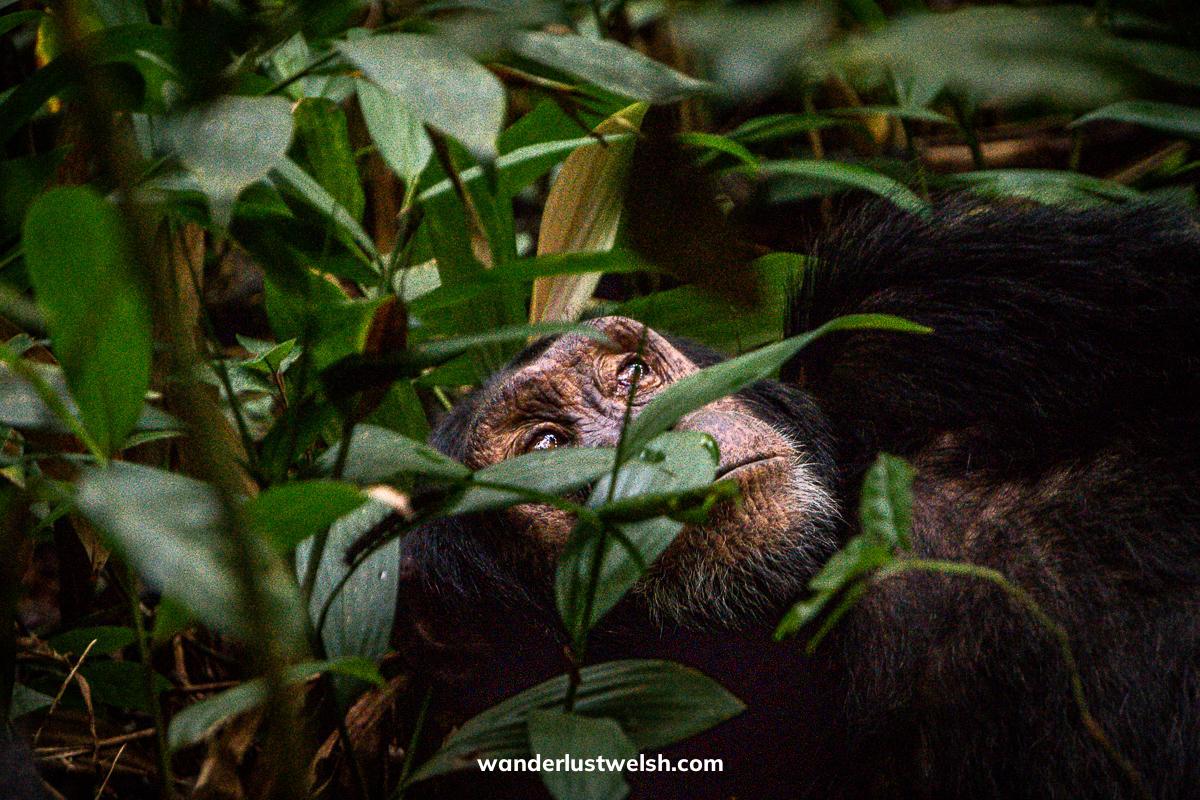
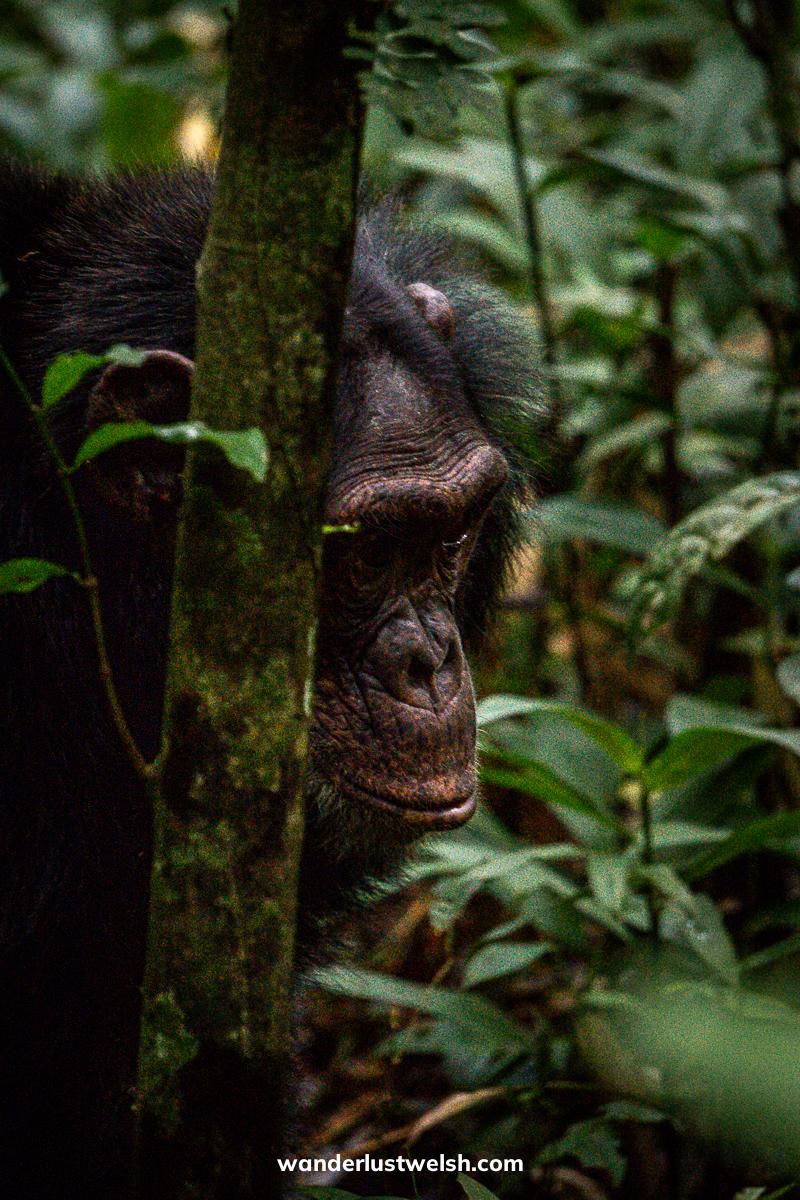
You’ll be trekking to find one of Kibale’s habituated chimpanzee groups. Don’t be put off by the term “habituated”, these animals are completely wild. Habituation is simply the process of gradual exposure to humans over many years. This is most often carried out by researchers and local trackers who approach a family in a non-threatening manner.
Over time, the chimpanzees become accustomed to the presence of humans and continue with their normal behavior. Without this habituation process it’s likely that a chimpanzee community would avoid human contact altogether.
Kibale chimpanzee facts:
- Home to over 1,450 individuals
- Total of 13 chimpanzee communities
- 5 habituated (3 solely for researchers, 2 for tourist groups)
- First community habituated in 1994
- Living in altitudes of 1,200-1,400m
Chimpanzee Trek – What to Expect
Treks are available three times a day from the Kanyanchu Visitor Centre at 8am, 11am, and 2pm. The UWA state that there’s over a 90% chance of locating them. However, we think it might be pretty much 100%, since there are many trackers who follow the groups closely.
Luck plays a larger part on whether you see them on the ground or not. It’s amazing to see wild chimpanzees anyway but seeing them up close on the ground is truly special.
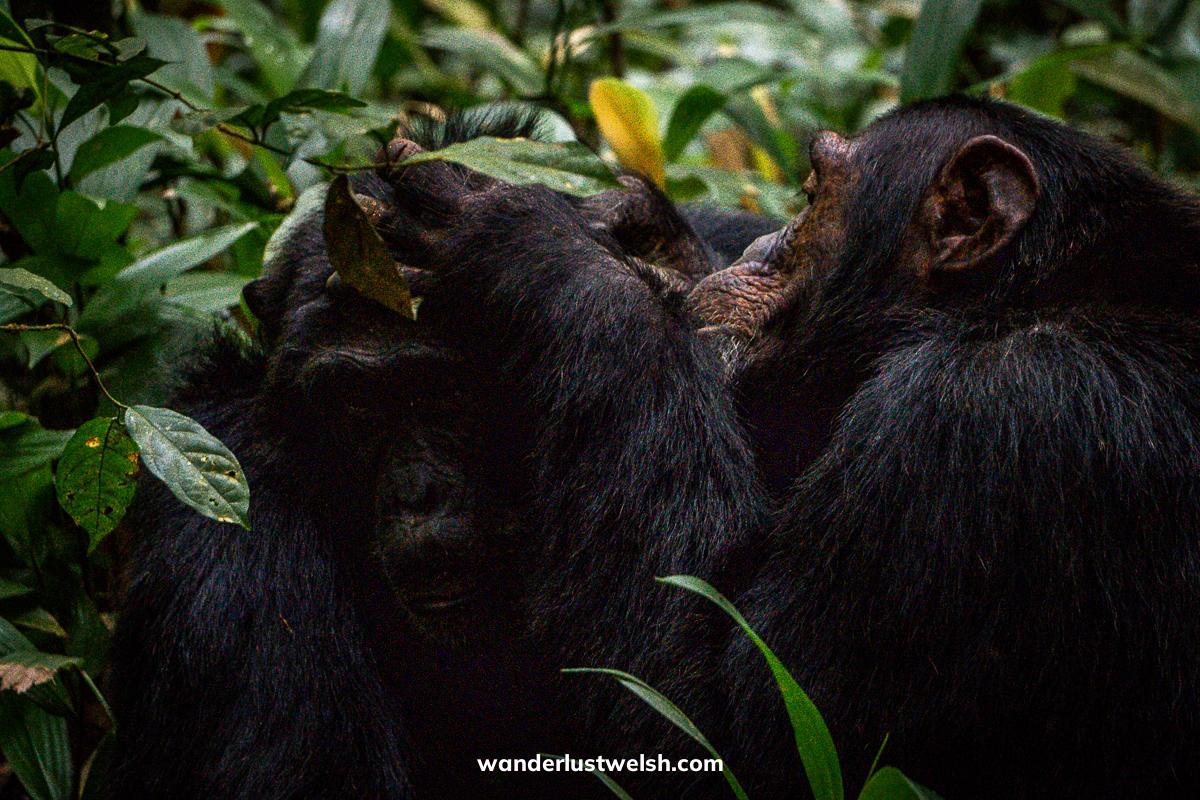
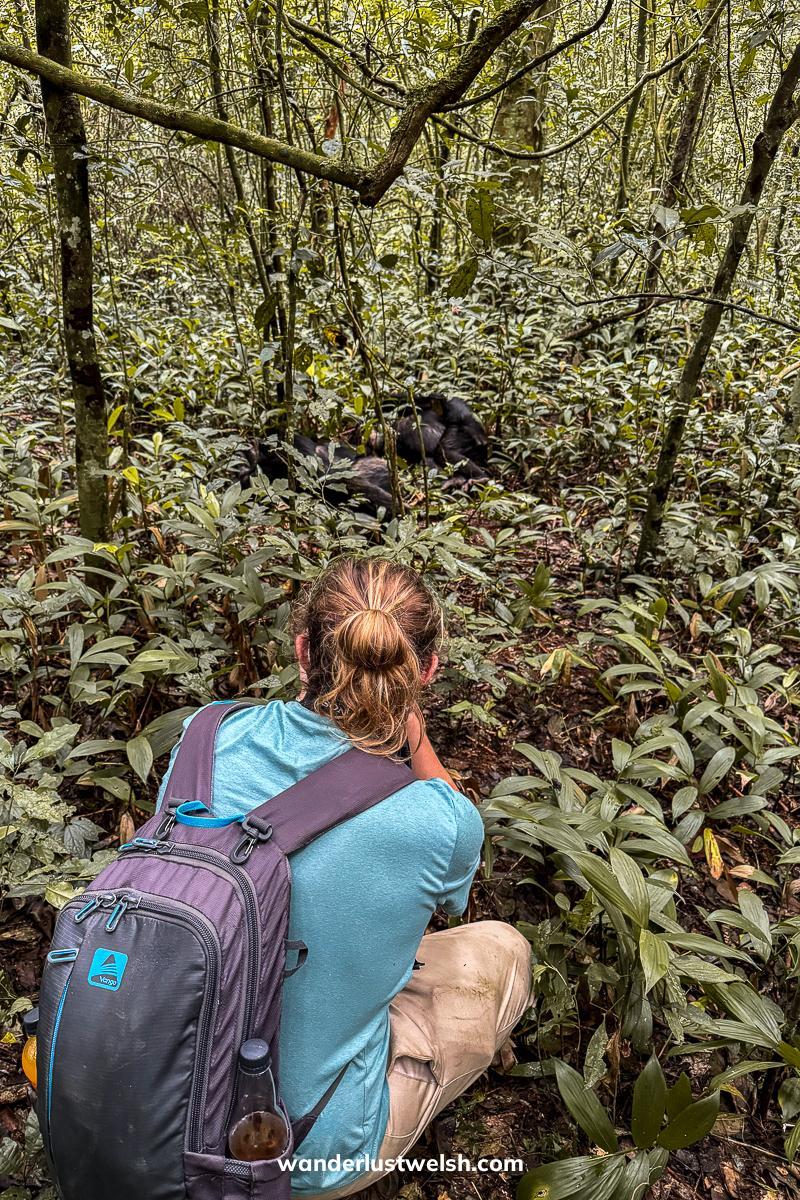
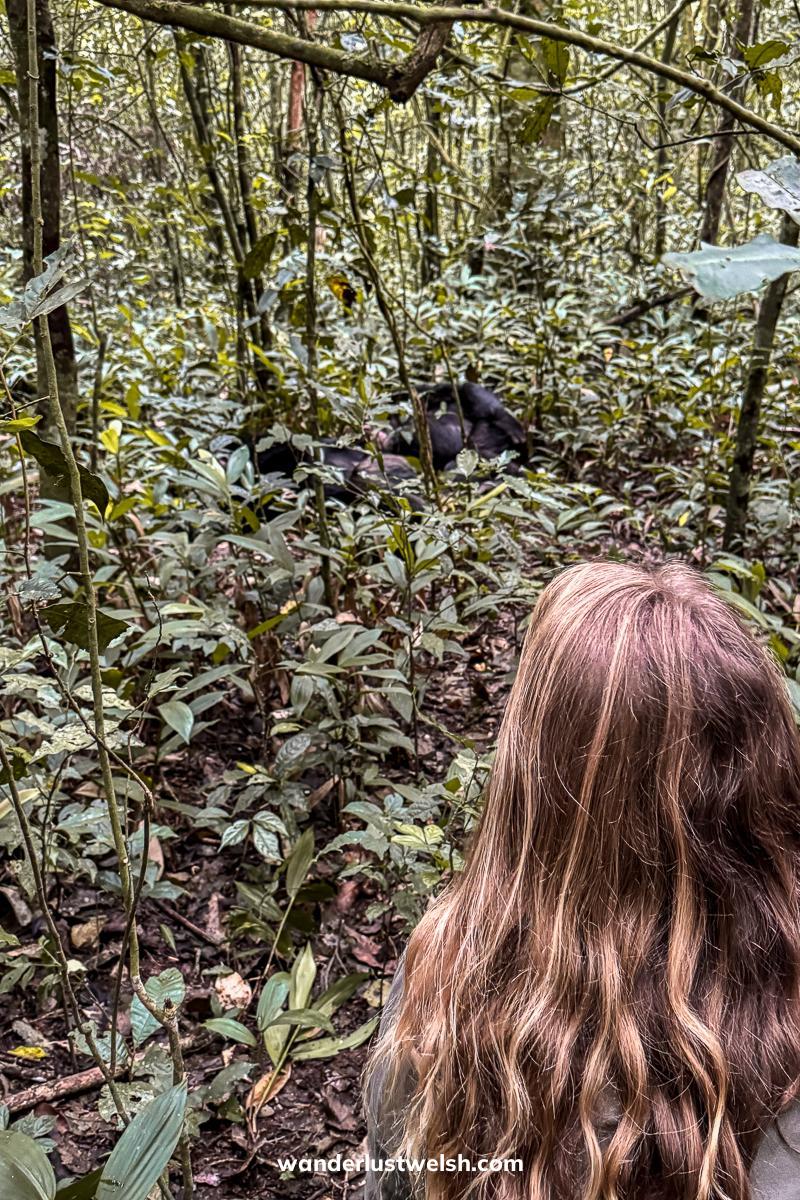
The treks last a few hours and you’ll be split into groups of 6 people. We did end up joining other groups during the experience because there was a large group of chimps clustered together. It’s better to be relatively fit for the hike. Although there are many well-kept trails through the forest, it can still be tough. Especially when nearing a group that may be some distance from any well walked paths.
If you’re looking for more primate encounters in Uganda, there’s also the golden monkeys in Mgahinga National Park, and mountain gorillas in Bwindi National Park.
Chimpanzee Habituation Experience
For those looking for a more immersive encounter, the Chimpanzee Habituation Experience allows you to spend an entire day with a group of chimpanzees. These communities are undergoing the habituation process mentioned above.
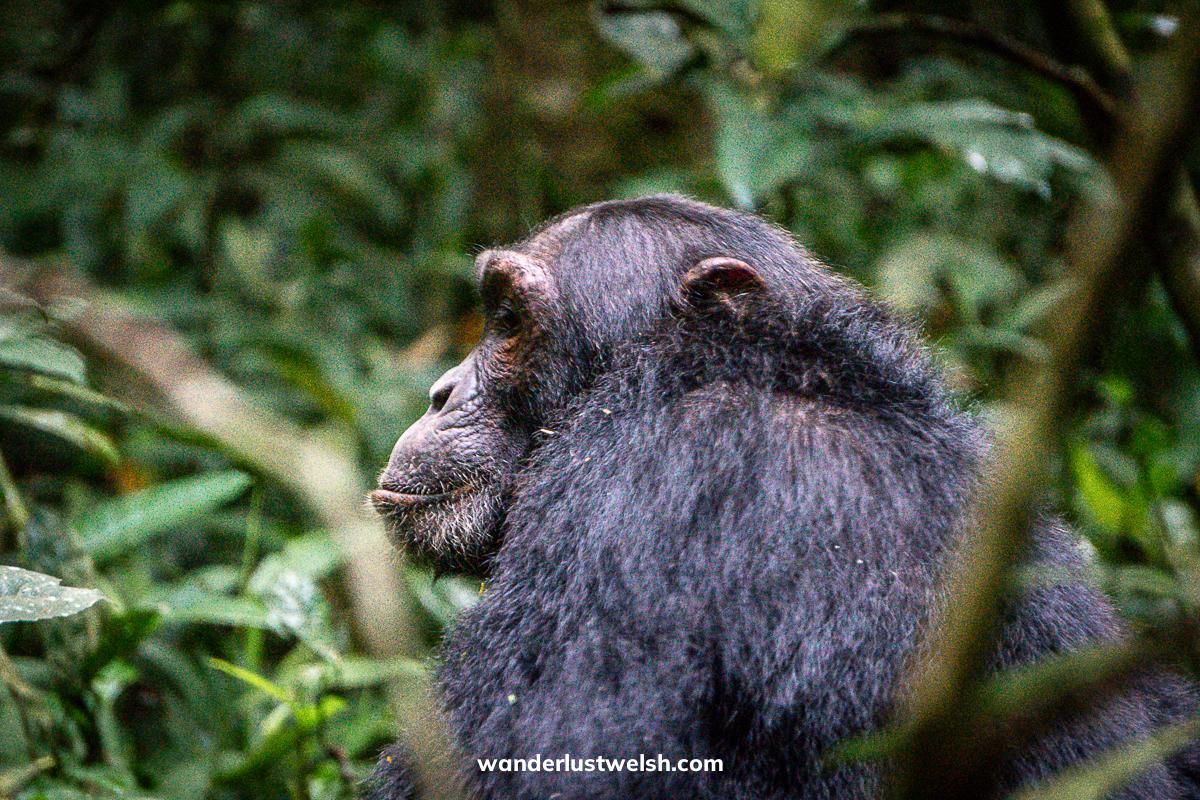
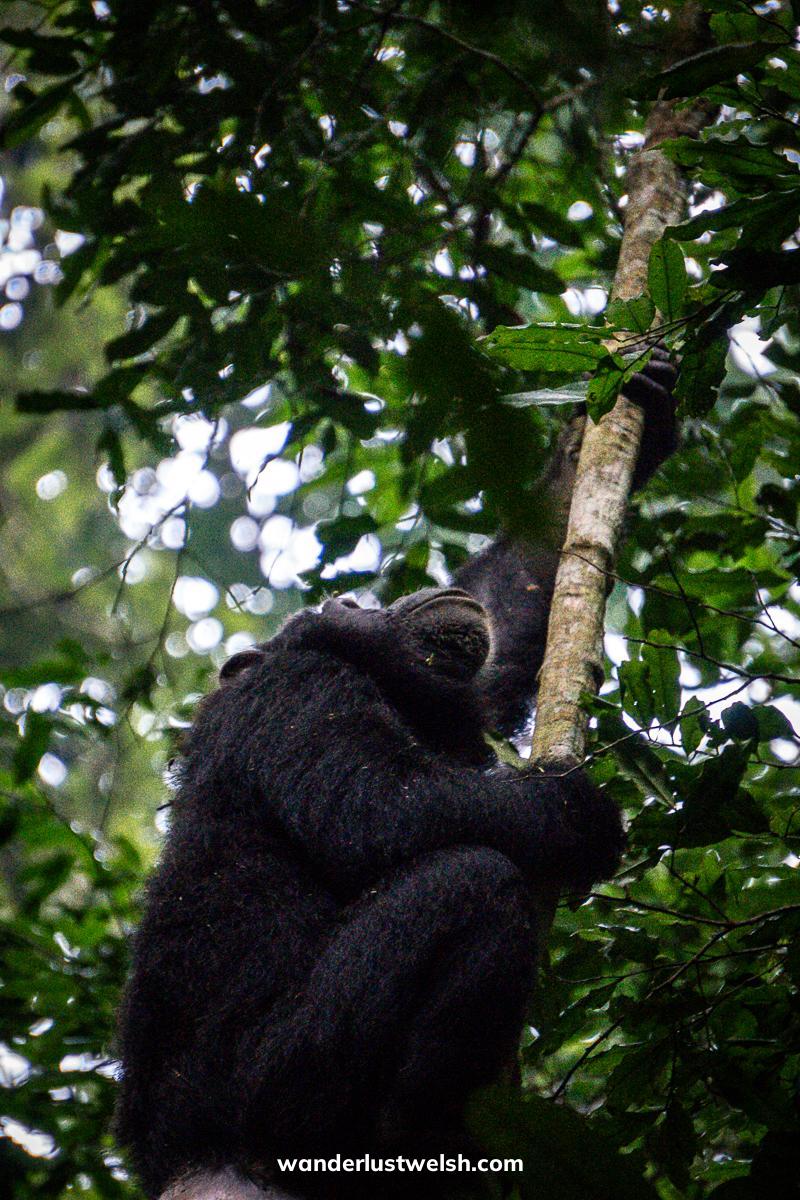
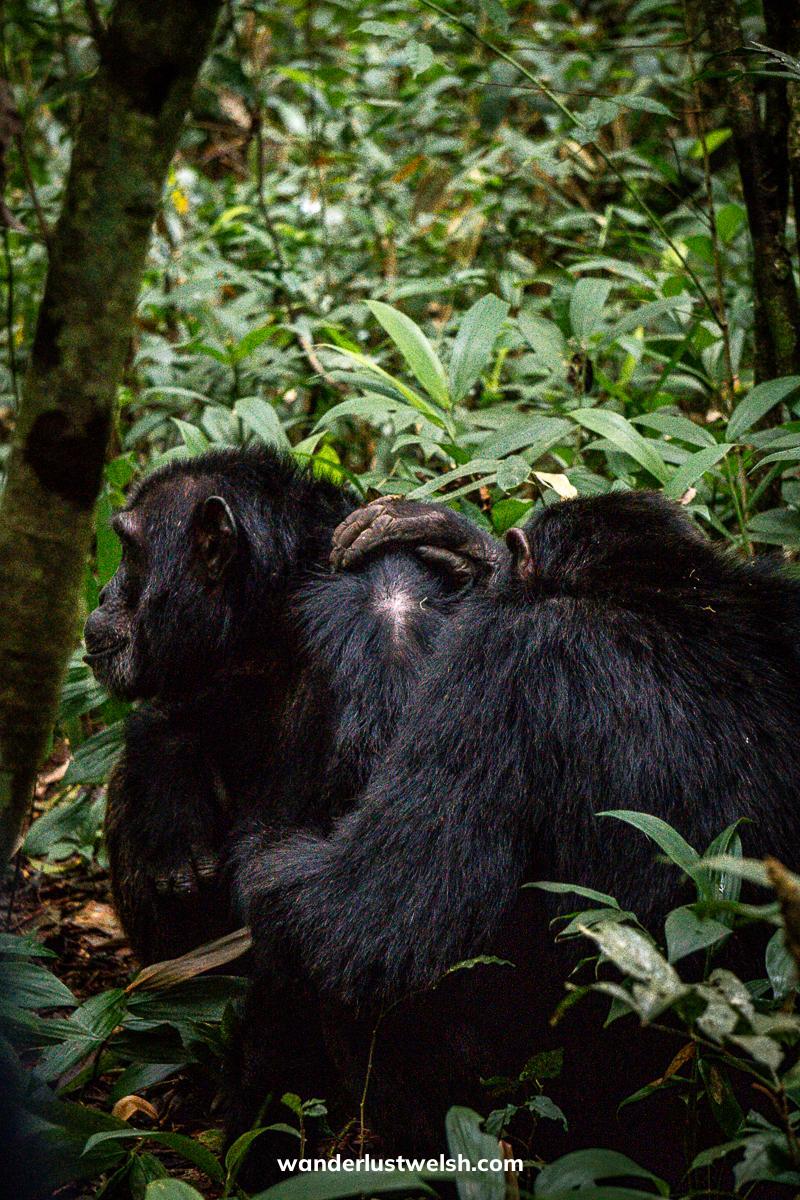
Setting out at 6:30am, you’ll pretty much be trekking and observing from dawn until dusk. It might prove to be more challenging than the regular trekking because the chimps are at various stages of habituation. Some groups and individuals only have limited exposure to the presence of humans.
But, with that extra difficulty comes a greater reward, allowing you to gain a deeper understanding of their daily routines, social structures, and behaviors. The habituation experience is particularly popular with researchers, photographers, and wildlife enthusiasts.
Bird Watching
With its huge number of bird species, Kibale National Park is a great place for birdwatchers to visit.
This area in Uganda is part of the Albertine Rift, which is also part of the larger East African Rift and Great Rift Valley. Thanks to its unusual tectonic history, the area has a special ecosystem with many unique birds. A handful are known as the Albertine Rift endemics which can only be found here.
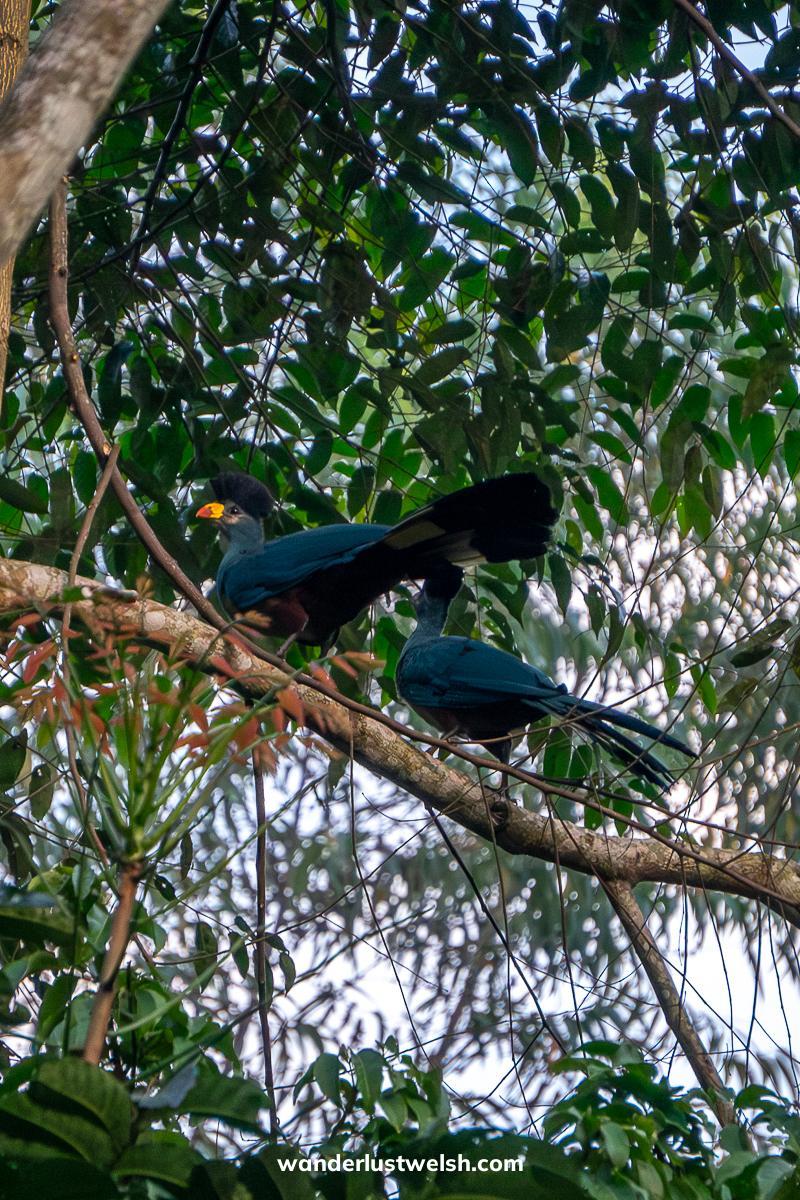
Guided bird watching tours can help you spot a load of these species, including pittas, bee-eaters, sunbirds, and turaco.
Forest Walks
Kibale’s dense rainforest and well-maintained trails make it an excellent destination for forest walks.
Guided walks also leave three times daily from the Kanyanchu Visitor Centre at 8am, 10am, and 2pm. These walks offer a chance to explore the forests of Kibale, without focusing on the primates or birds.
The forest walks are a great option for those with children, because the chimpanzee trekking is only for over-16s.
Night Walks
UWA also offer night walks through Kibale National Park. It’s an exciting way to enjoy the forest and a chance to see nocturnal animals.
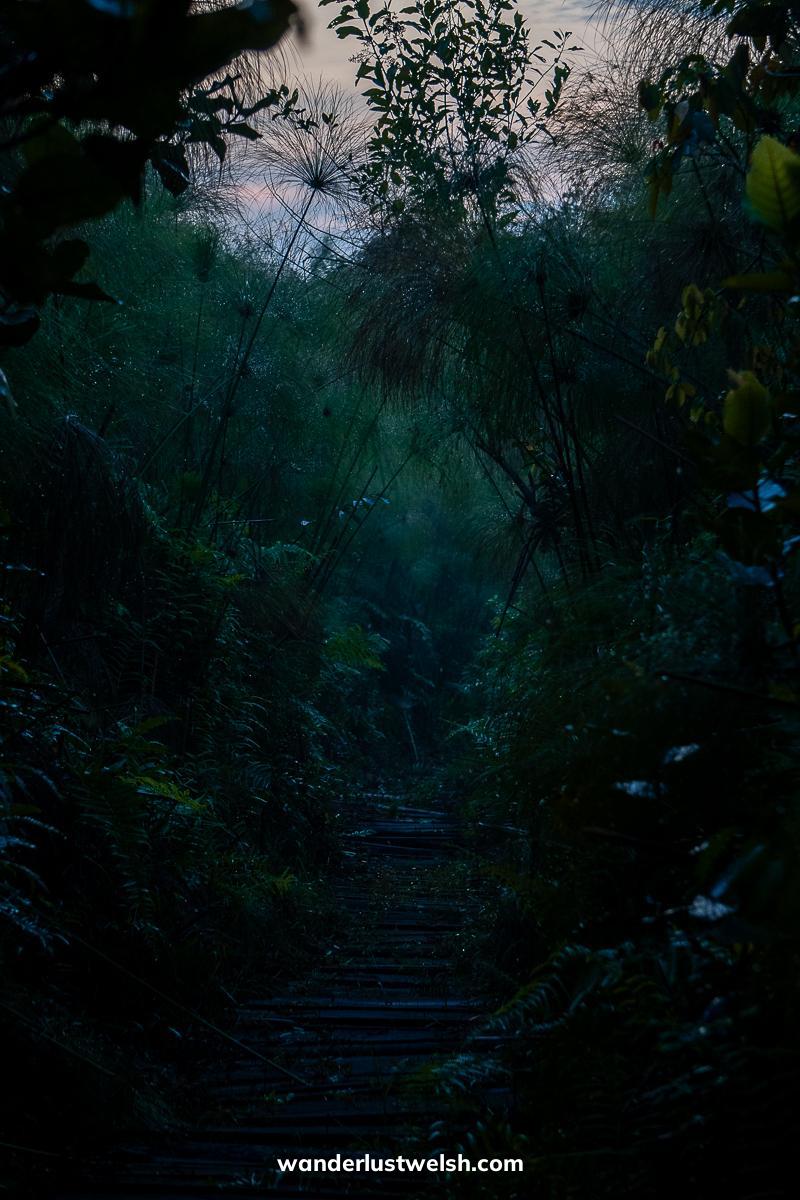
Led by the knowledgeable guides, you can hope to spot bush babies, pottos, and various species of nocturnal birds and insects. The sounds of the forest at night, combined with the chance of spotting these elusive animals, make it a unique adventure.
Getting to Kibale National Park
Kibale National Park is one of the more accessible of Uganda’s national parks. There are decent roads running between here and the other nearby parks. It’s a far more comfortable drive than to the southern parks like Lake Mburo, Mgahinga, and Bwindi.
Self-Drive with Road Trip Africa
If you’re a confident driver and enjoy the freedom of exploring on your own, then self-driving is the best option. We rented a 4×4 from Road Trip Africa with camping gear and would definitely recommend them.
As well as the flexibility, self-driving is by the far the cheapest option to get around. Of course, it’s important to note that driving in Uganda can be challenging. Many of the routes are along mud roads that change with seasons. Although, Kibale is one of the easier destinations that is accessible via main roads.
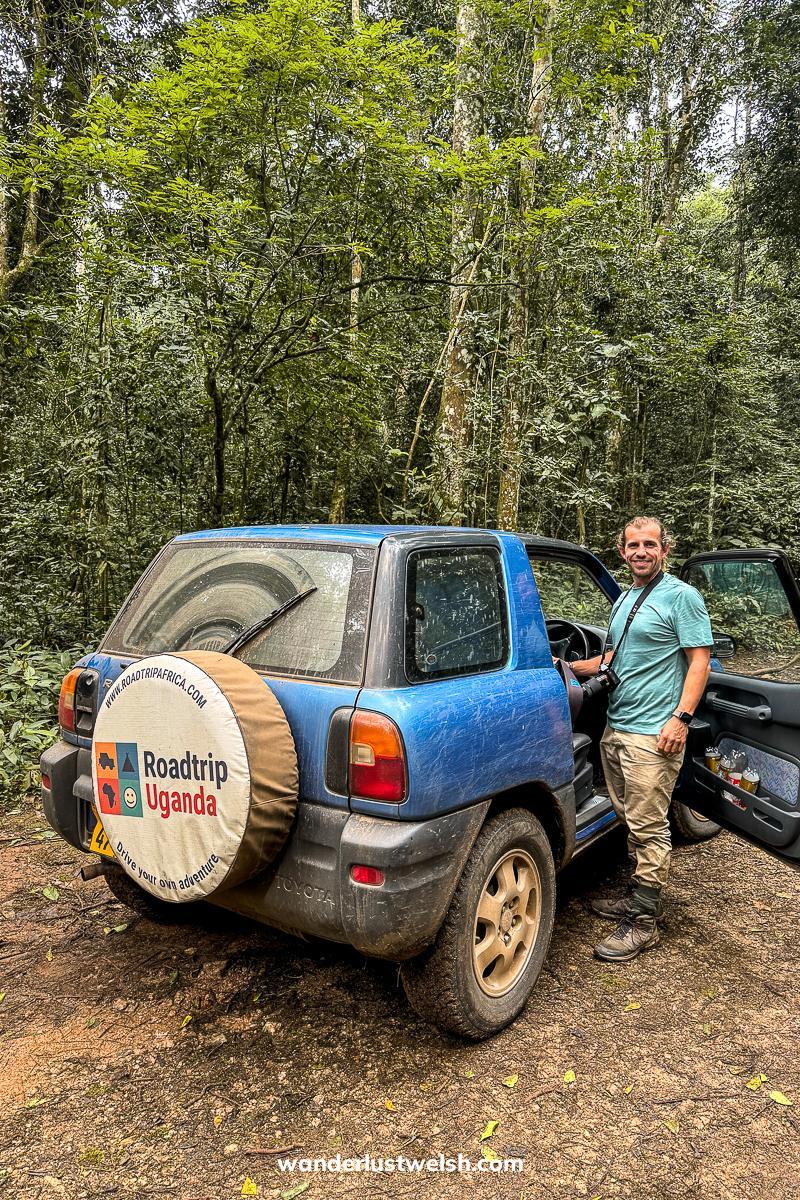
If you’re heading around Uganda in a clockwise direction, you’re likely coming from Queen Elizabeth National Park. In that case, take the A109 north to Fort Portal and then follow the main road south into Kibale.
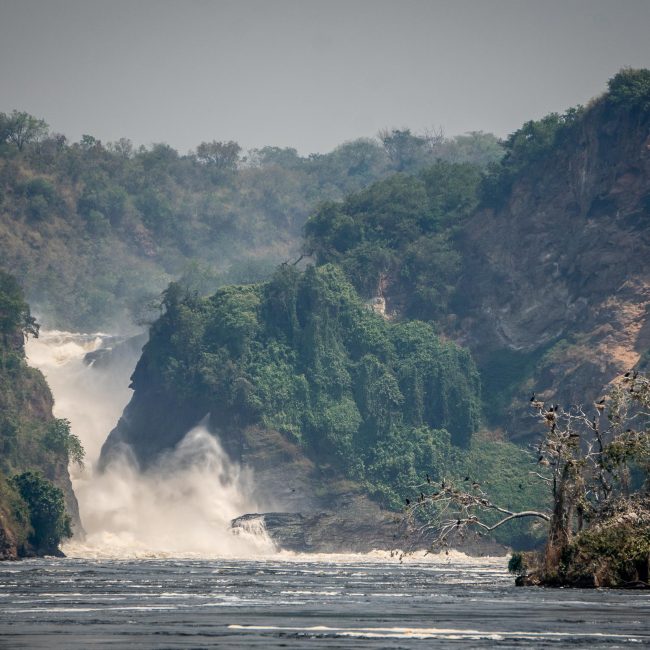
If you’re driving in the opposite direction, then you’ll probably be arriving from Murchison Falls. From there, just stick to the main road via Masindi, Hoima, and Kagadi. Then head west at Kyenjojo to Fort Portal before heading south into Kibale.
Hire 4×4 with a Driver
If self-driving doesn’t interest you, then the most convenient way to get around is to hire a 4×4 and driver. Road Trip Africa offer this option too and have plenty of experienced local drivers to get you around.
Hiring a driver is more expensive, but it takes away the stress of navigating and you can also benefit from their local knowledge.
Kibale National Park Accommodation
Kibale National Park offers a range of accommodation options to suit different budgets and preferences. Whether you prefer luxury lodges, mid-range options, or budget-friendly campsites, there is something for everyone.
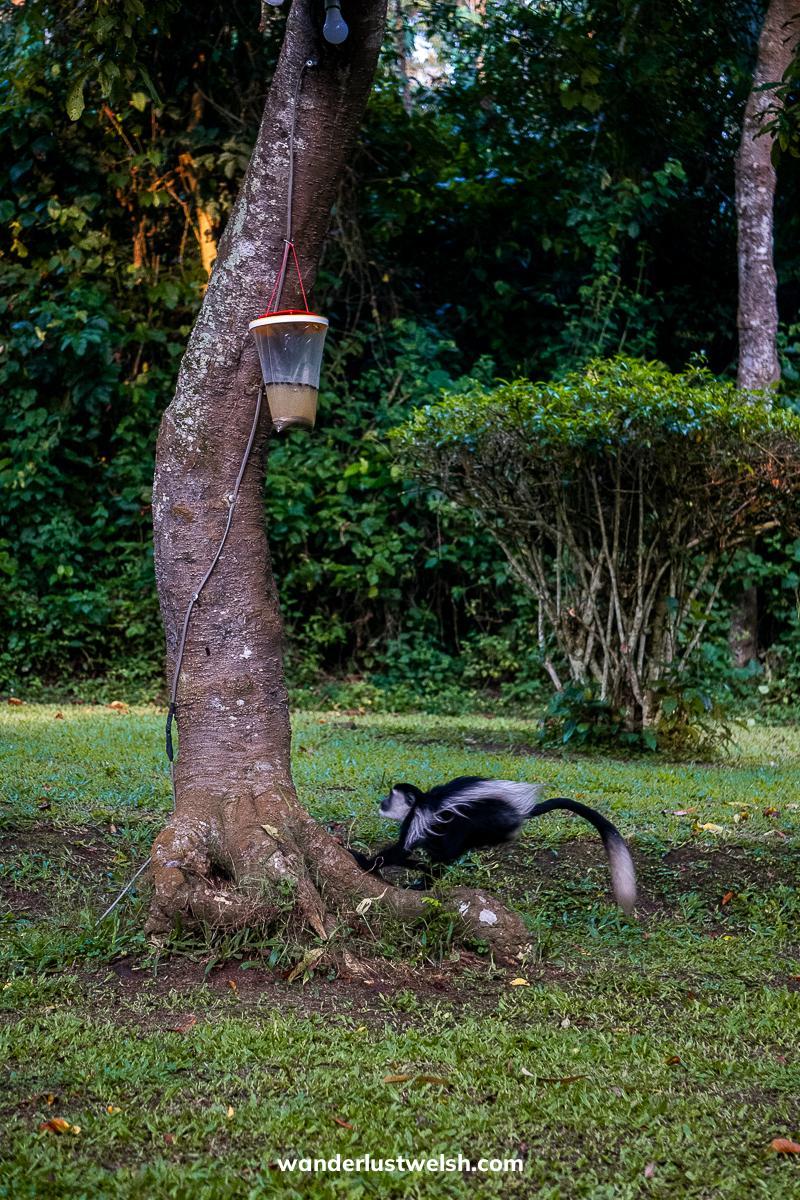
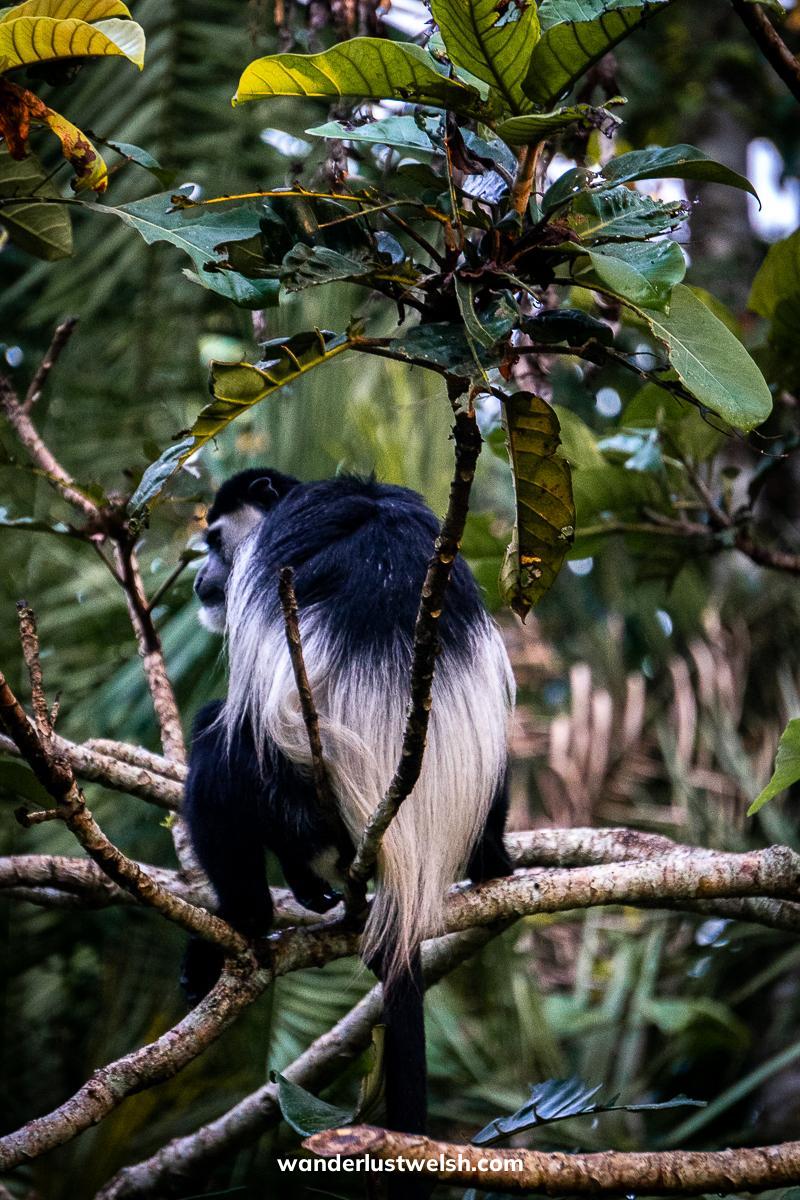
For the ultimate luxury stay, Primate Lodge Kibale within the park offers comfortable accommodations with excellent service. With it being inside the park, you’re often able to see many of Kibale’s primates from your room!
A great mid-range option is the Kibale Forest Camp, conveniently located near the park’s entrance. They offer big spacious safari lodge/tents surrounded by the forest.
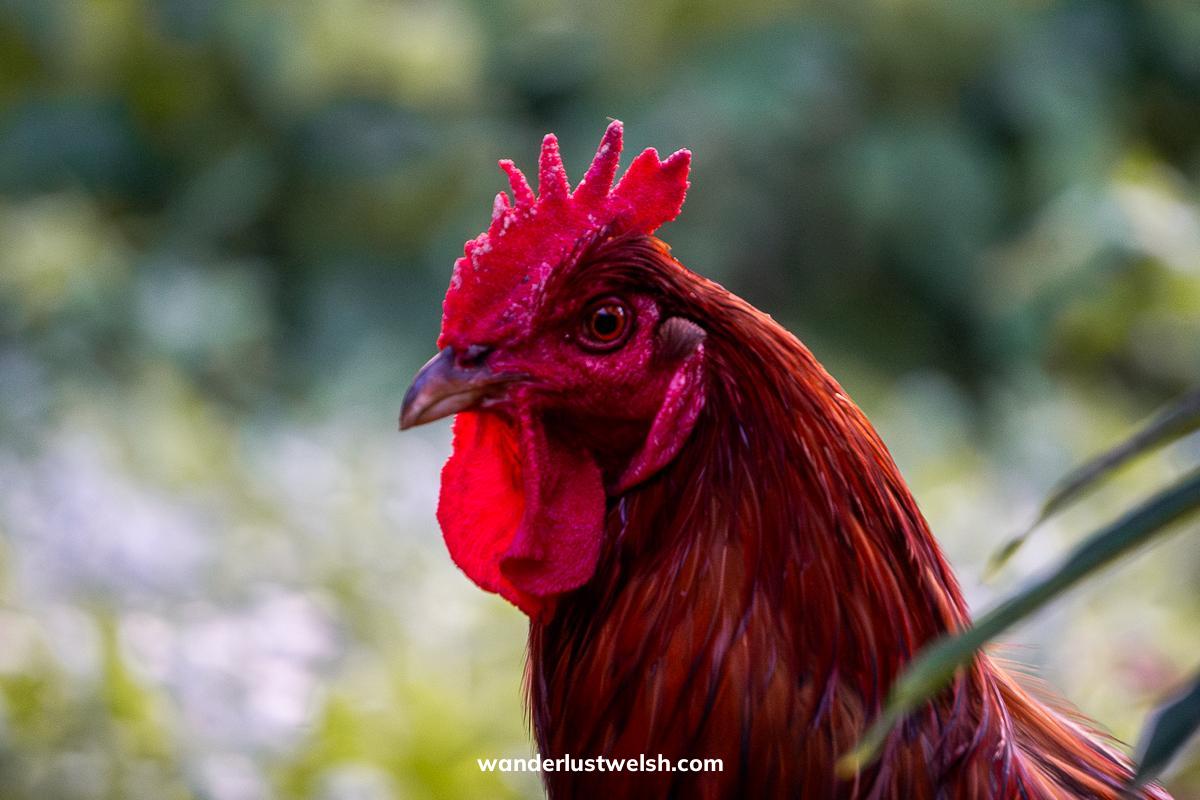
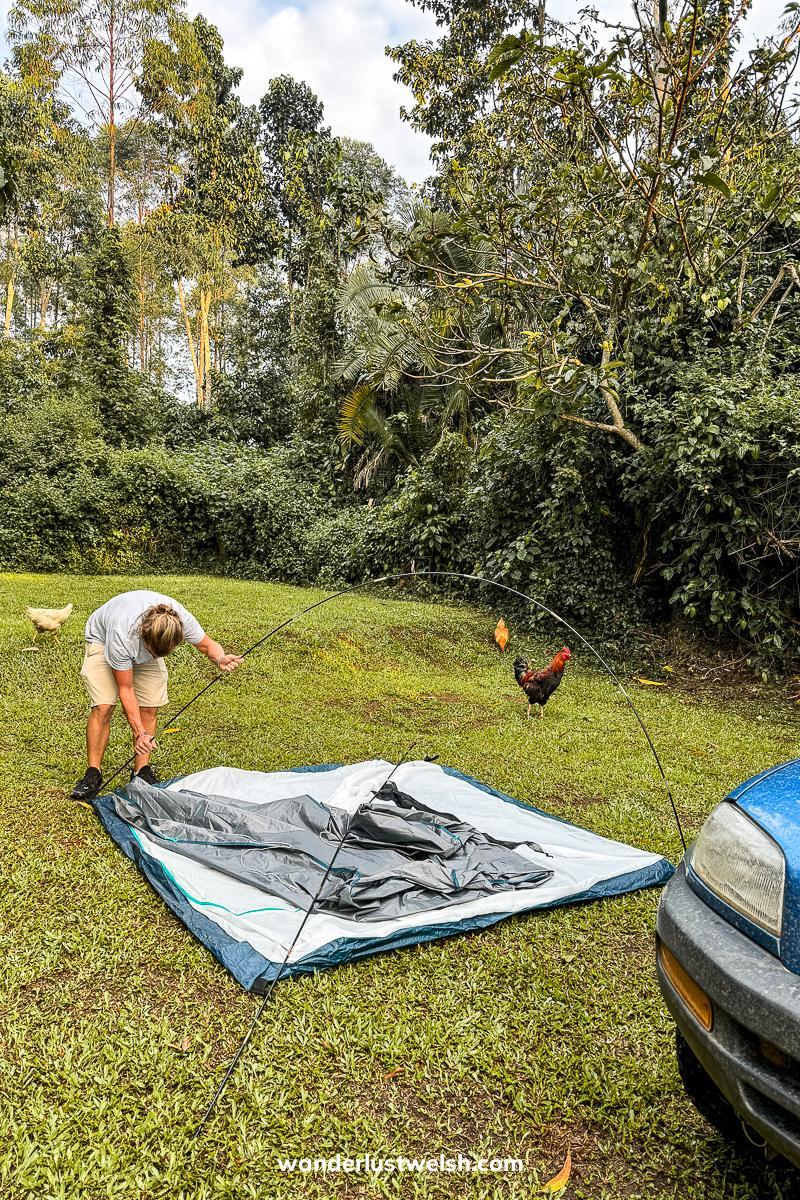
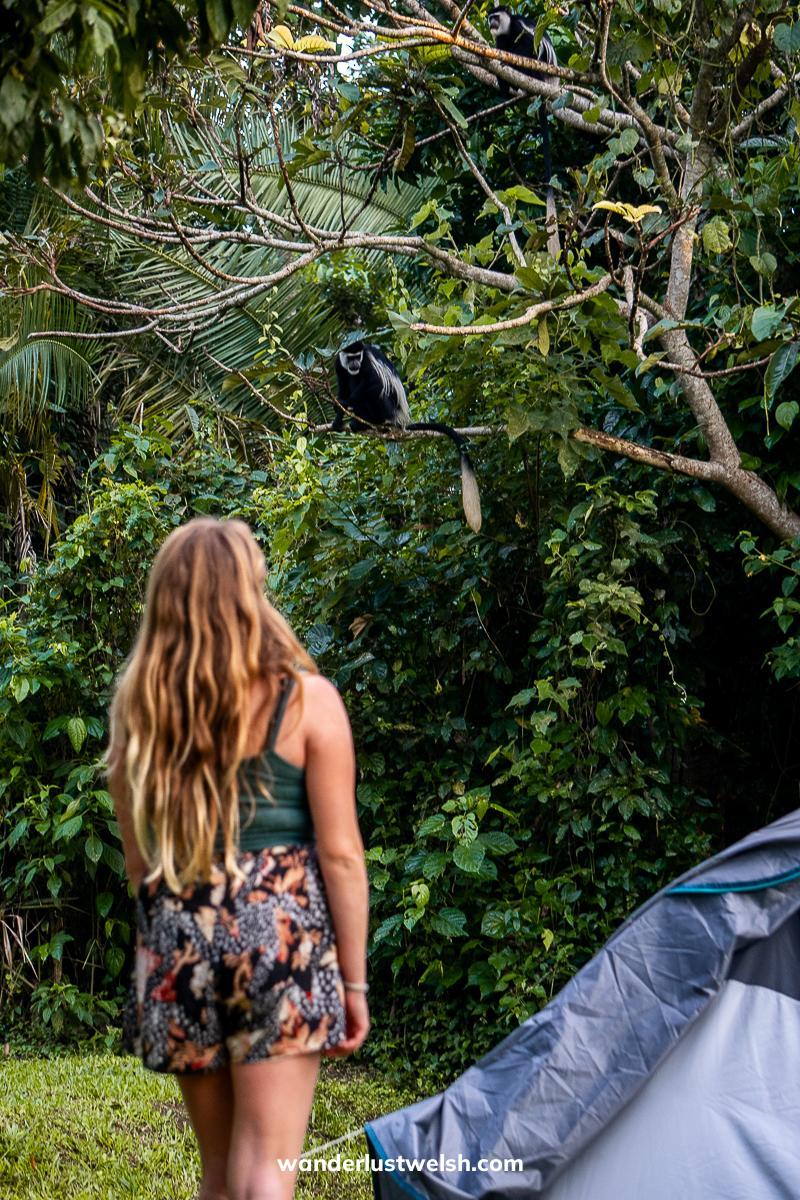
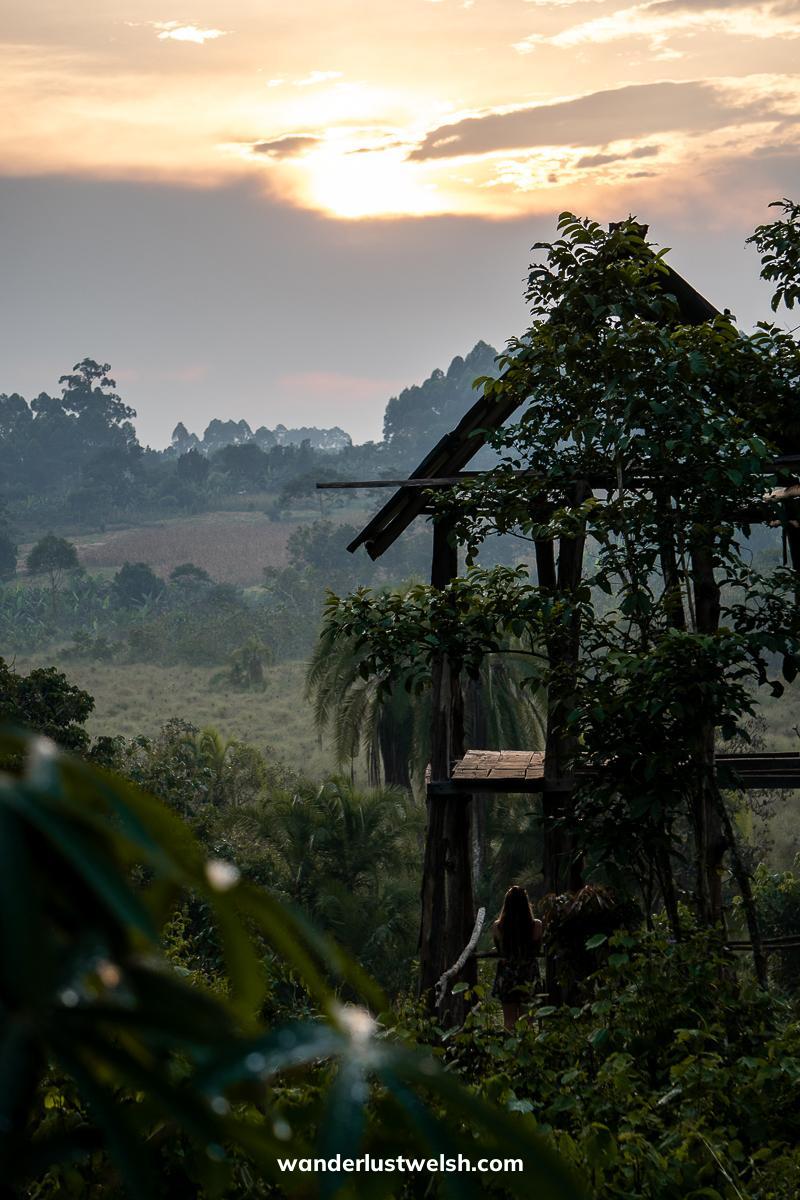
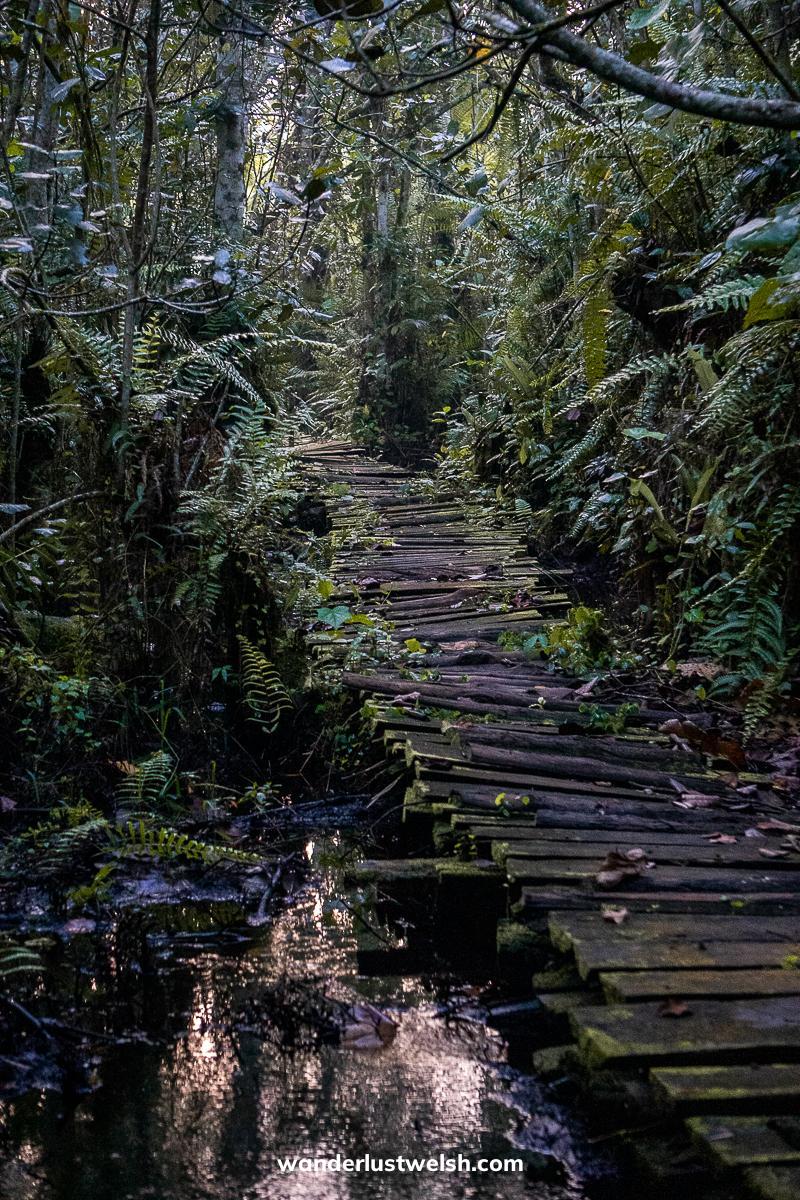
For a budget camping option, we cannot recommend Hornbill Cave Kibale Camp enough. There’s a huge area to walk around with vegetable patches, forest, and even a swamp. The area is teeming with life, from monkeys running between the trees to hornbills flying overhead and even a few resident chickens!
Where to Eat in Kibale National Park
Most lodges and campsites in Kibale National Park offer on-site dining options, serving a variety of local and international dishes. Primate Lodge has an excellent restaurant with a fine dining experience using fresh, locally sourced ingredients.
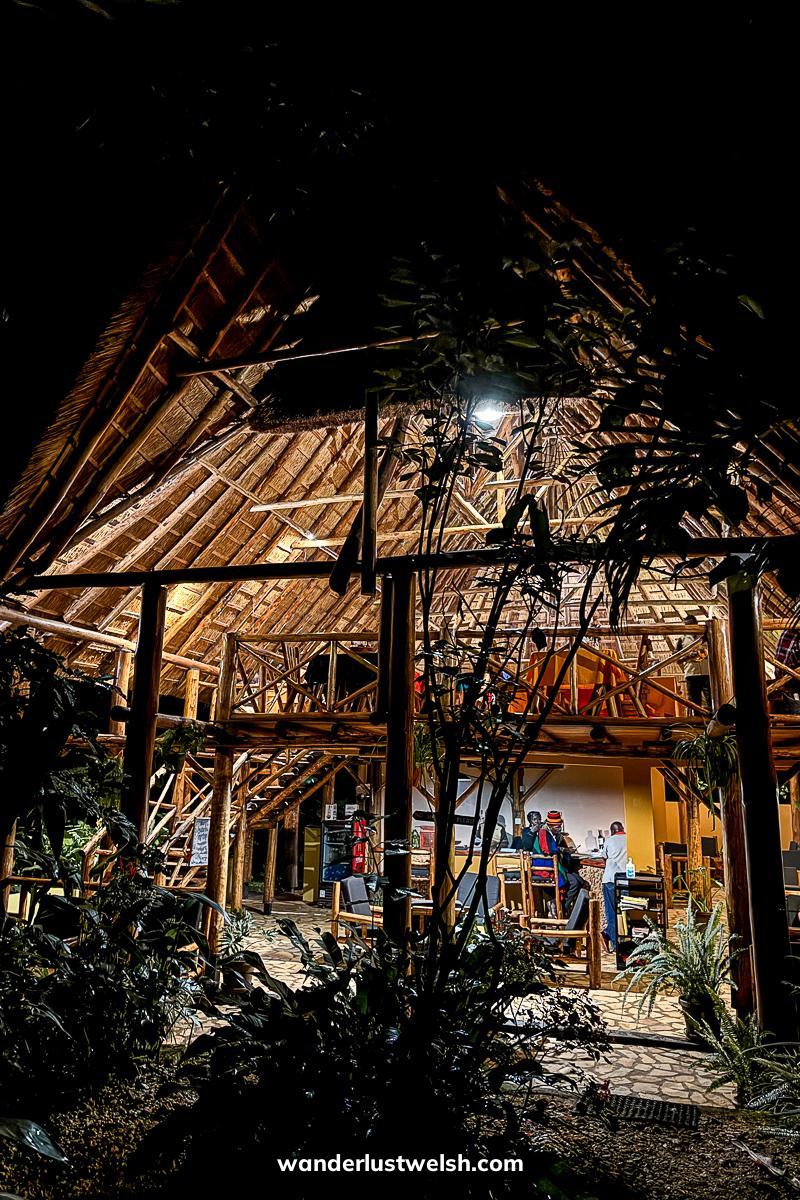

For those camping in Hornbill Cave, they have an agreement where guests can eat at the Kibale Forest Camp restaurant. They serve a delicious 4-course set menu for $15, which is a bargain for the high quality.
Final Thoughts on Kibale National Park
Uganda is blessed with some incredible natural areas and Kibale National Park ranks highly. As one of the more accessible parks in terms of road quality, it’s an easy addition to any Uganda itinerary.
For wildlife lovers, it’s one of the best places in the world to see chimpanzees, as well as the variety of other primates. For birdwatchers, it’s a must-visit area with so many rare species found nowhere else.
We’d highly recommend it and can’t wait to return one day. Who knows, maybe we’d even see one of the same chimpanzees. Although would it really be the same chimp after all that time? For no man steps in the same river twice, for it is not the same river and he is not the same man.
Kibale National Park – Chimpanzee Trekking in Uganda
Don't Forget to Pin it for Later
More Uganda Travel
Find more of our Uganda travel guides below:
-
Kibale National Park – Chimpanzee Trekking in Uganda