Hiking in Mallorca – Ultimate Guide to the GR221, GR226 & the Island’s Most Scenic Trails
Mallorca offers far more than beaches and resorts. If you love hiking, this Balearic Island has some incredible and diverse trails. You will find rugged mountains, coastal cliffs, hidden coves, and paths that wind through olive groves and citrus orchards.
Hiking in Mallorca
Here’s your complete guide to hiking in Mallorca, along with tips and experiences that will make your trip even more rewarding.
Where is Mallorca?
Mallorca (also often spelled as Majorca) is the largest of Spain’s Balearic Islands, located in the Mediterranean Sea off the eastern coast of the Iberian Peninsula. It lies east of mainland Spain, separated by the Balearic Sea.
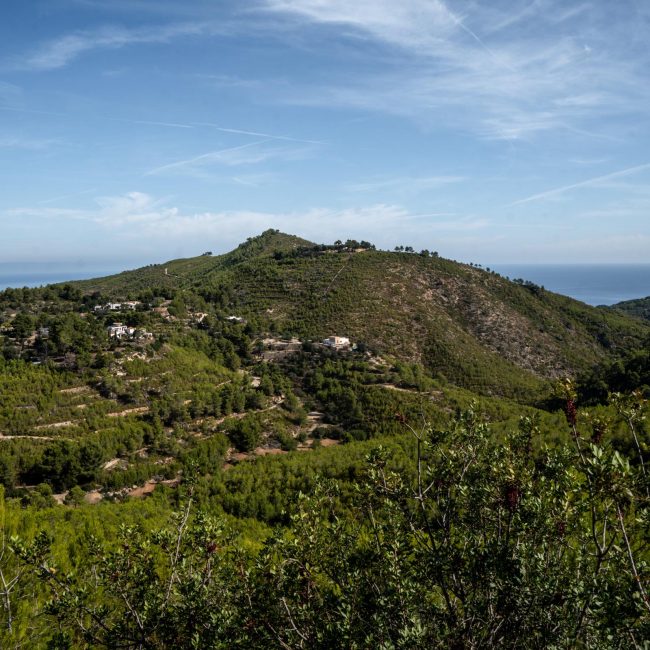
Due to its geography, Mallorca has a diverse landscape with steep mountains to the north (Serra de Tramuntana), flatlands in the centre, and dramatic coastal areas everywhere else. That variety makes it perfect for hiking, sightseeing, and relaxation.
Hiking Trails in Mallorca
Hiking in Mallorca is rich and varied. Trails range from easy walks to tougher multi-day adventures. You should pack well, plan for terrain and weather, and pick trails suited to your fitness level.
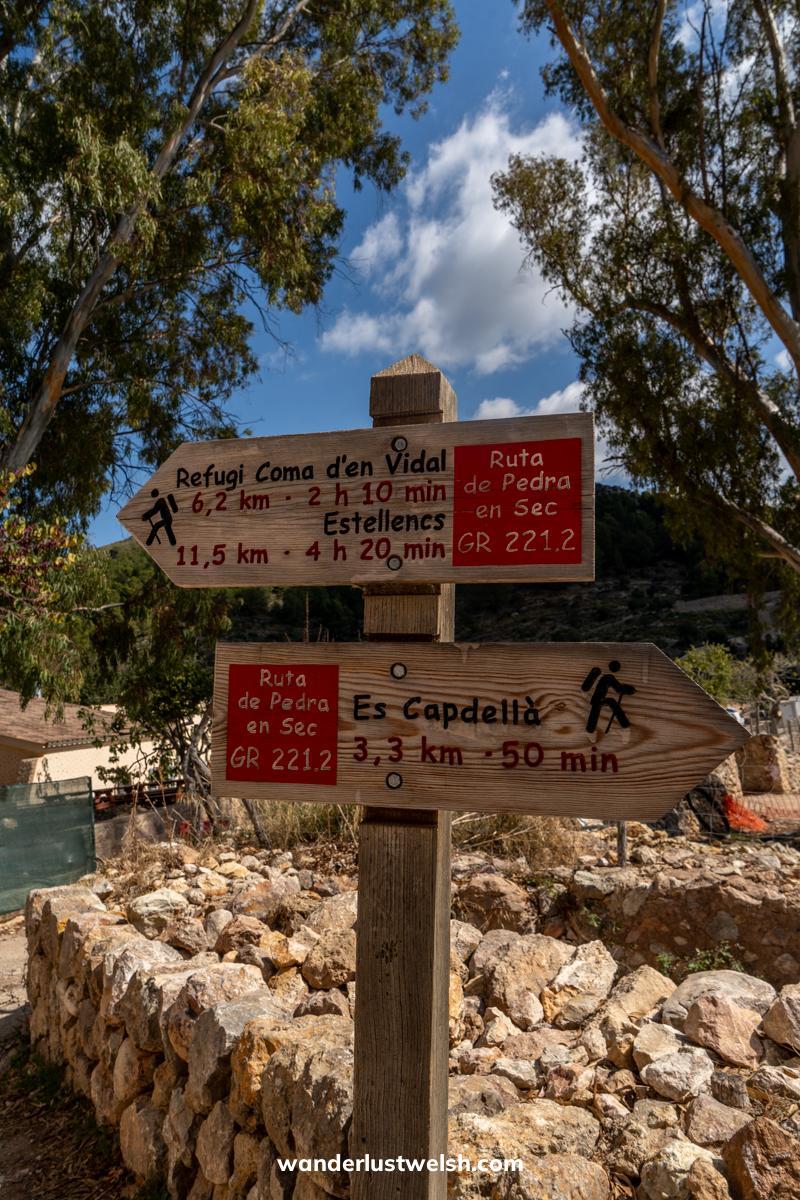
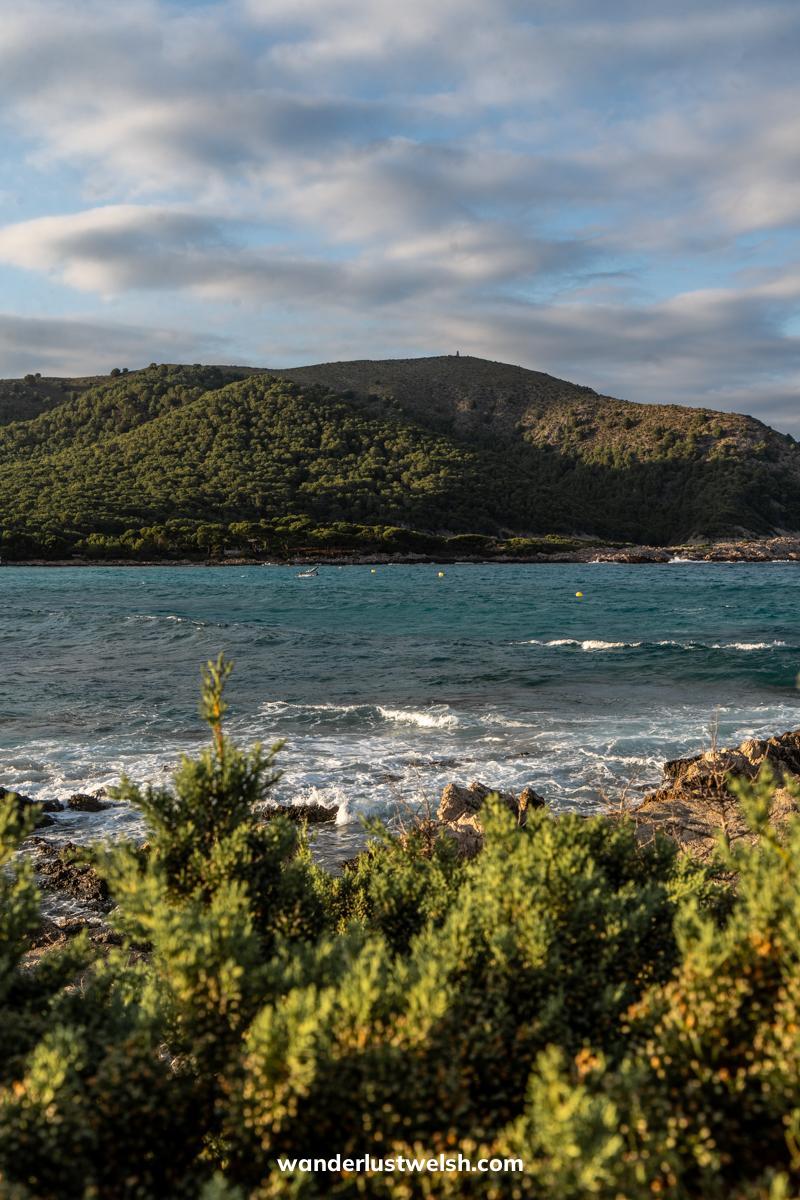
GR 221 – Dry Stone Route
The GR 221, also known as the Dry Stone Route, is Mallorca’s most iconic long-distance hiking trail. Stretching for around 130 to 150 kilometres, it runs along the island’s spectacular Serra de Tramuntana mountain range, from Port d’Andratx in the southwest to Pollença in the north. The trail is divided into eight to ten stages, allowing you to choose shorter sections or complete the entire route over several days.
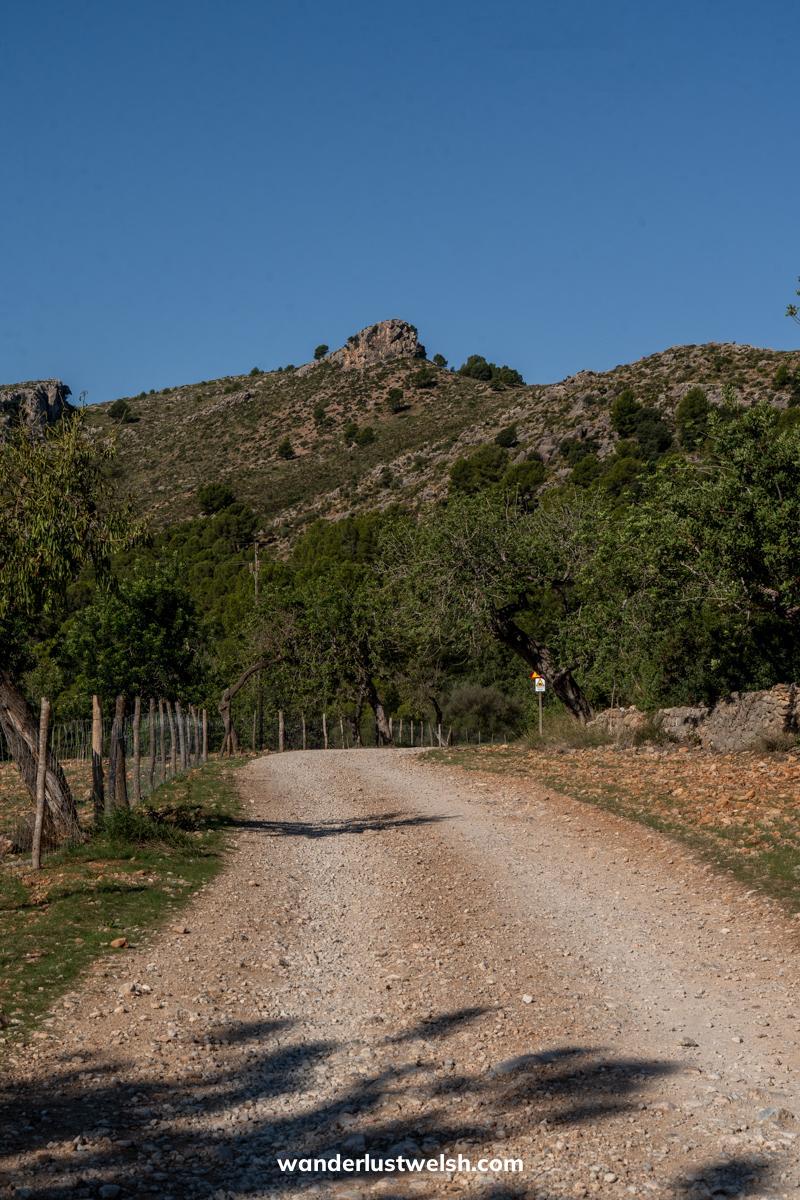
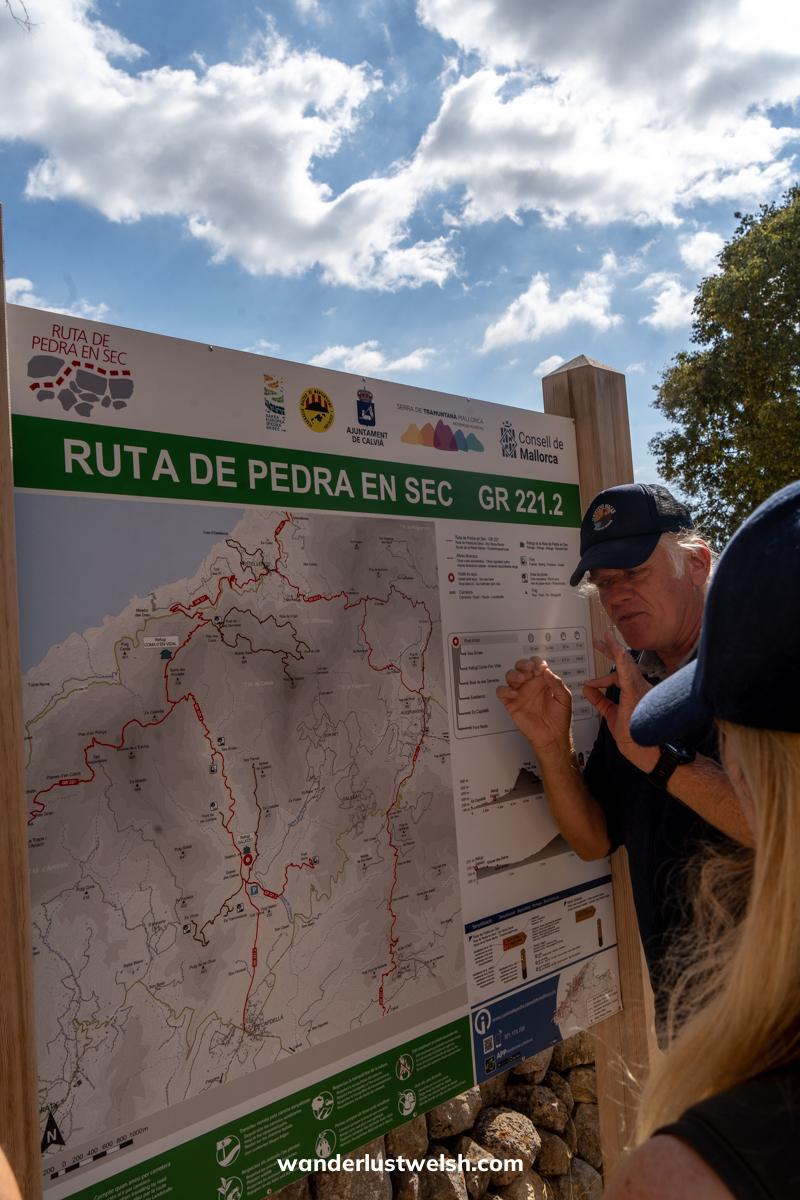
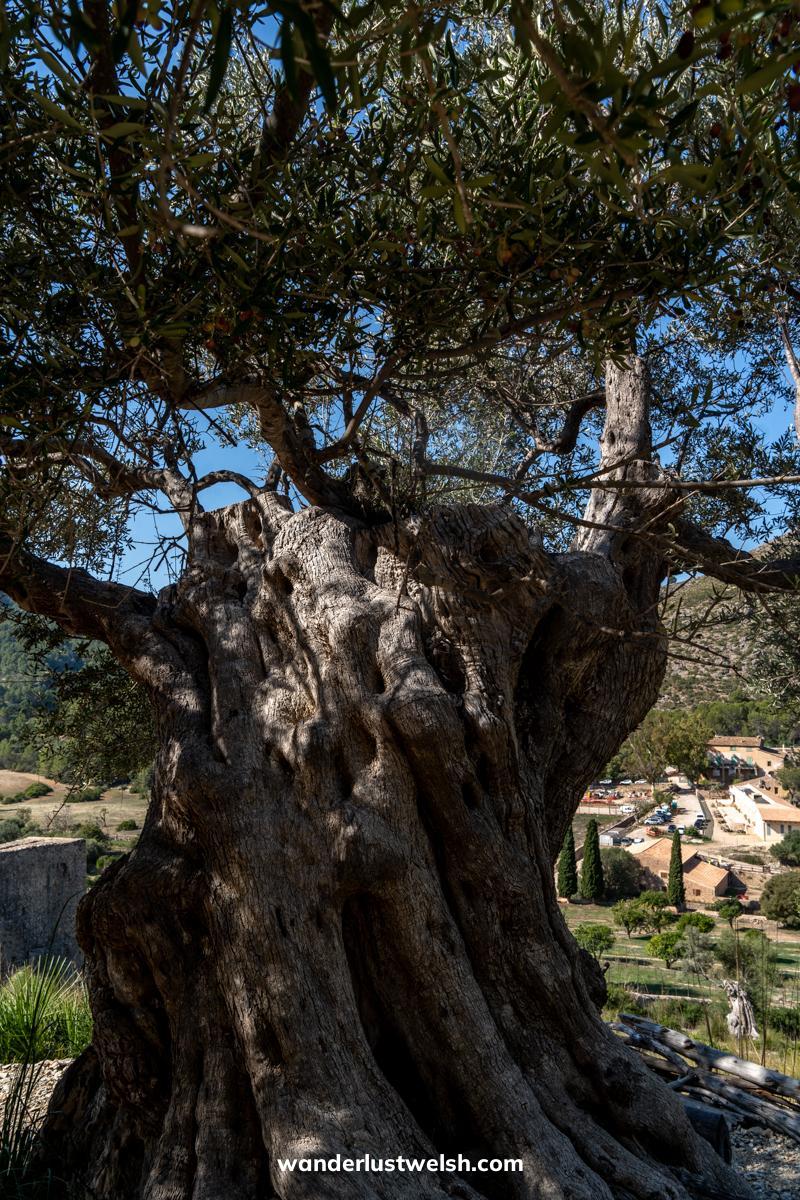
The GR 221 follows ancient stone paths built centuries ago by farmers and shepherds, winding through olive groves, pine forests, mountain ridges, and traditional villages. Along the way, you will see terraced hillsides, dry-stone walls, and old charcoal burners’ huts, a living record of Mallorca’s rural heritage. The ever-changing scenery offers dramatic sea views, peaceful valleys, and a strong sense of history at every turn.
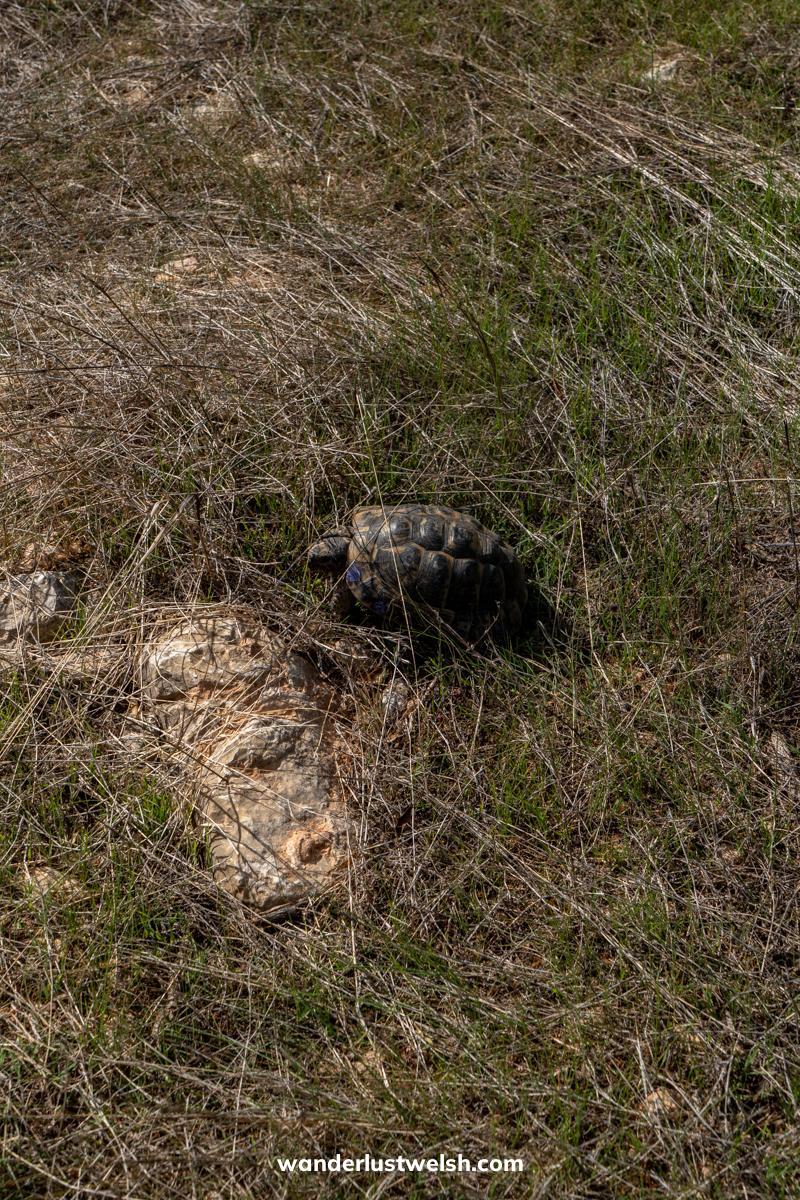
The GR 221 route is rich in wildlife thanks to its varied landscapes of mountains, forests, and valleys. Along the trail, you may spot wild goats, rabbits, tortoises, and hedgehogs, while birds like bald eagles, ospreys, and black vultures soar overhead.
Managed by the Consell de Mallorca, the route is well maintained and supported by a network of small guesthouses and hostel-style accommodation known locally as refuges. With clear signposting, varied terrain, and flexible stages, the GR 221 is suitable for moderate to experienced hikers who want to explore the wild beauty and culture of Mallorca’s mountains at their own pace.
If you decide to hike the entire route over several days, there are numerous refuges along the way where you can stop. These refuges are supported by Mallorca’s sustainable tourism tax. Most hikers complete the route in about six days, though it can be done in four to five days if you’re very fit.
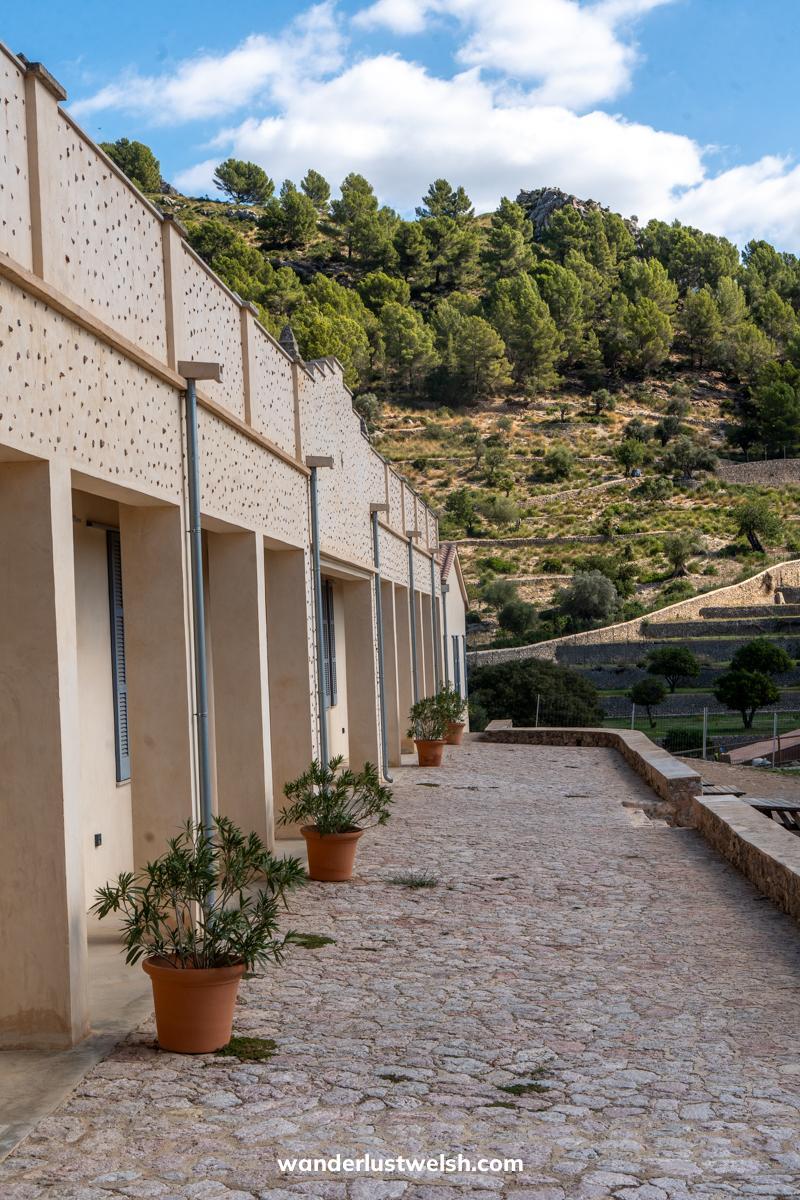
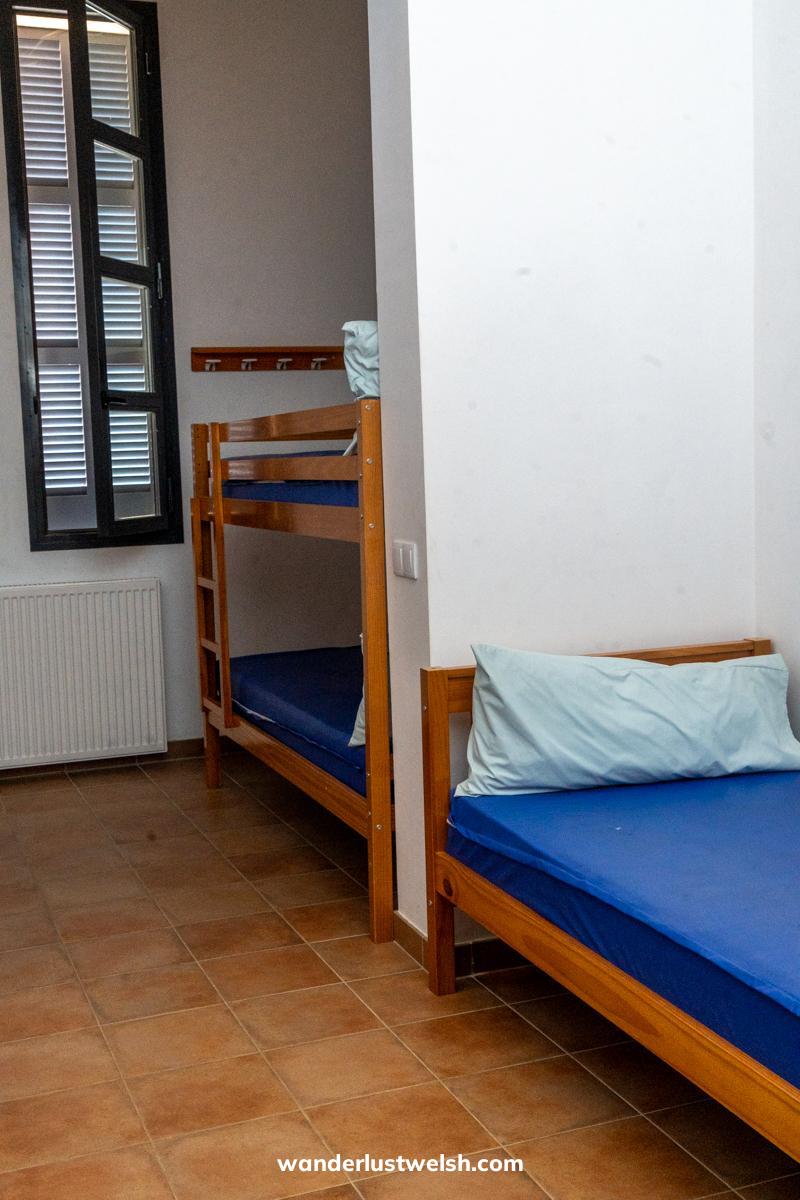
The largest refuge in the area is Refuge Galatzo, which I highly recommend as a stop along the GR 221. It offers rooms for 4, 6, and 12 people, accommodating up to 50 hikers. The refuge also boasts beautiful views of the surrounding mountains. It’s best to book around four months in advance, though you can call if you need a spot within three days of arrival. Accessible rooms are available for those who require them.
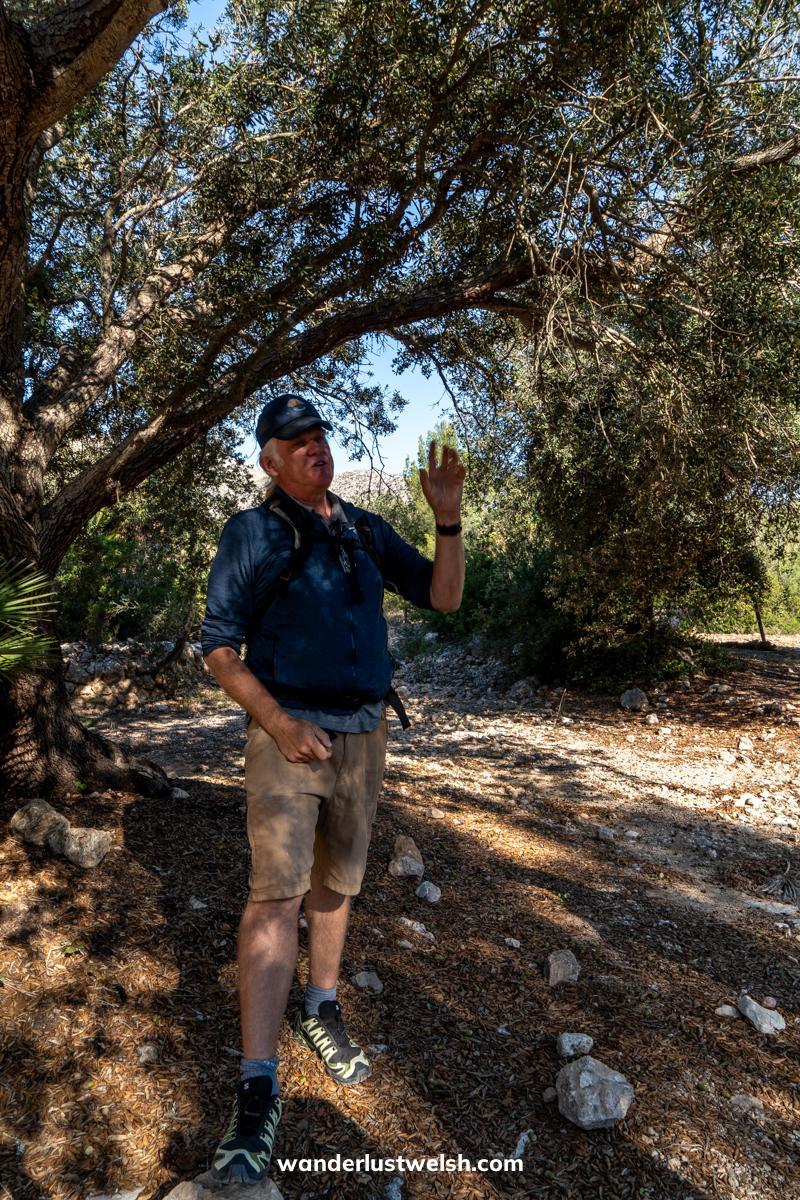
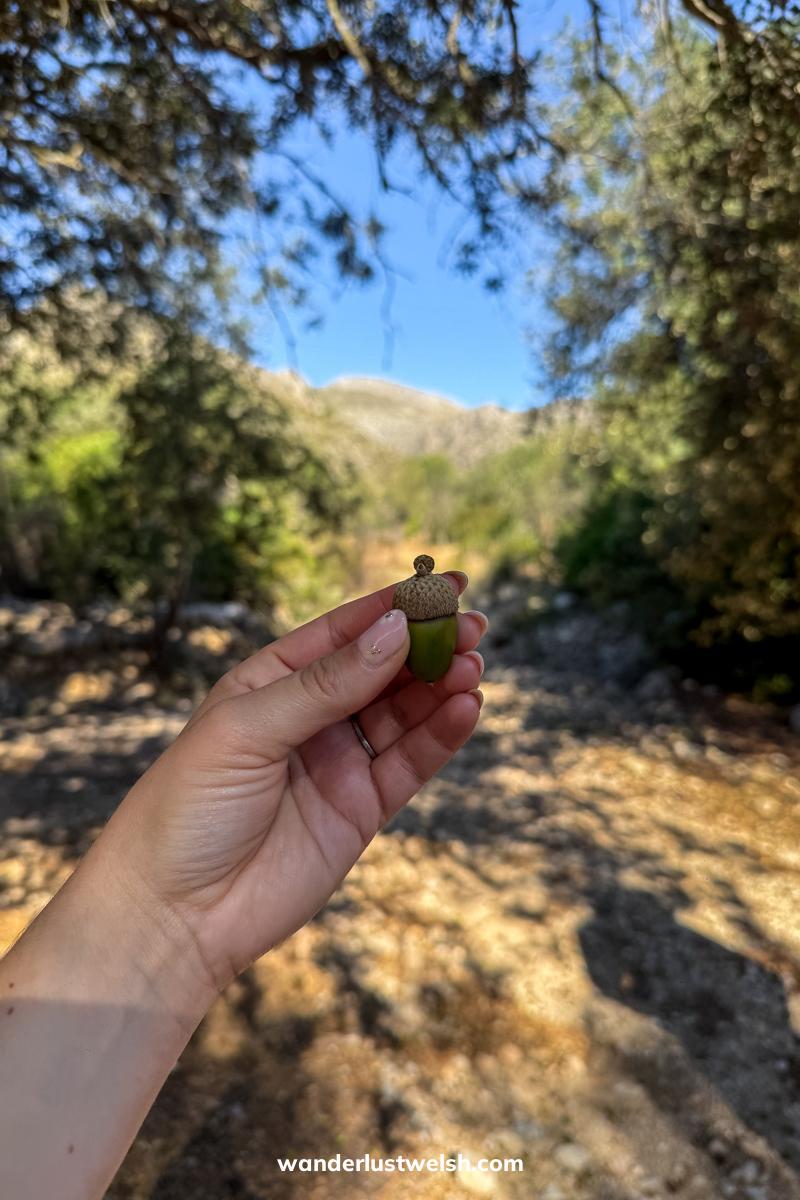
If you’re looking for a guided hike in the area, I highly recommend Martin’s Walks. Martin is very knowledgeable about the local landscape, history, and nature, making the experience both enjoyable and informative.
GG 226 – The Great Tour of the Levant – Officially opening in January 2026
The GR 226 stretches for about 104 kilometres, crossing the eastern side of Mallorca from Cales de Mallorca to Cala Agulla. It’s divided into five stages of roughly 20 kilometres each, making it easy to plan shorter or longer walking days depending on your pace.
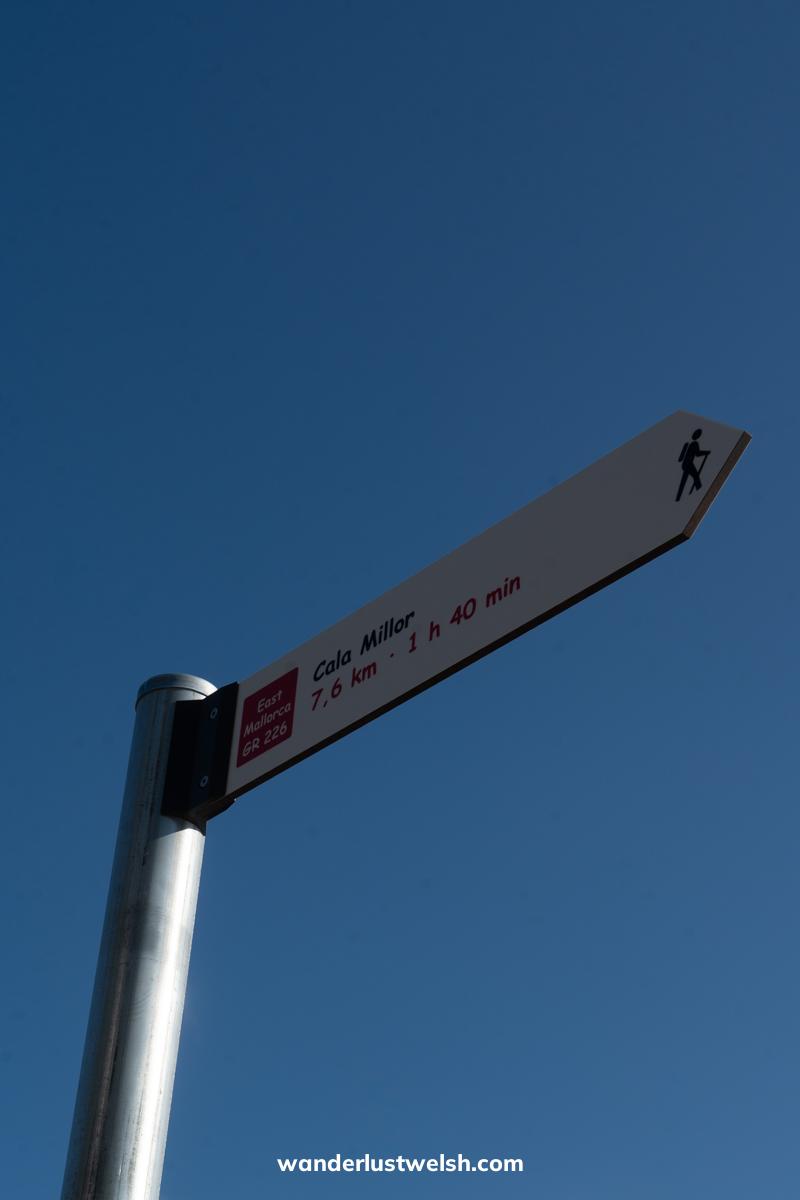
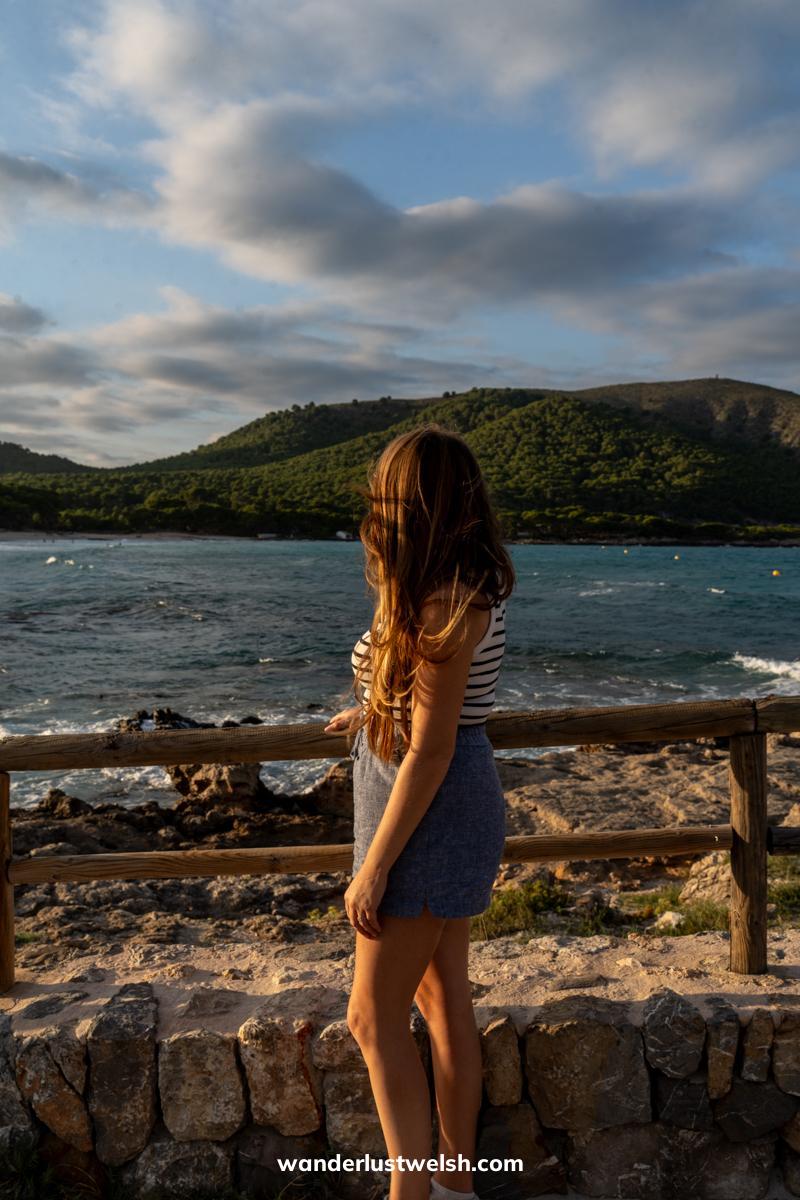
The route weaves together coastal and rural landscapes, featuring dunes, pine forests, and stunning sea views, alongside cultural and historical sites that highlight Mallorca’s heritage. You’ll pass through tranquil countryside and quaint villages, offering an authentic glimpse of island life. A must-visit stop along the way is Castell de Capdepera, a striking medieval fortress with panoramic views.
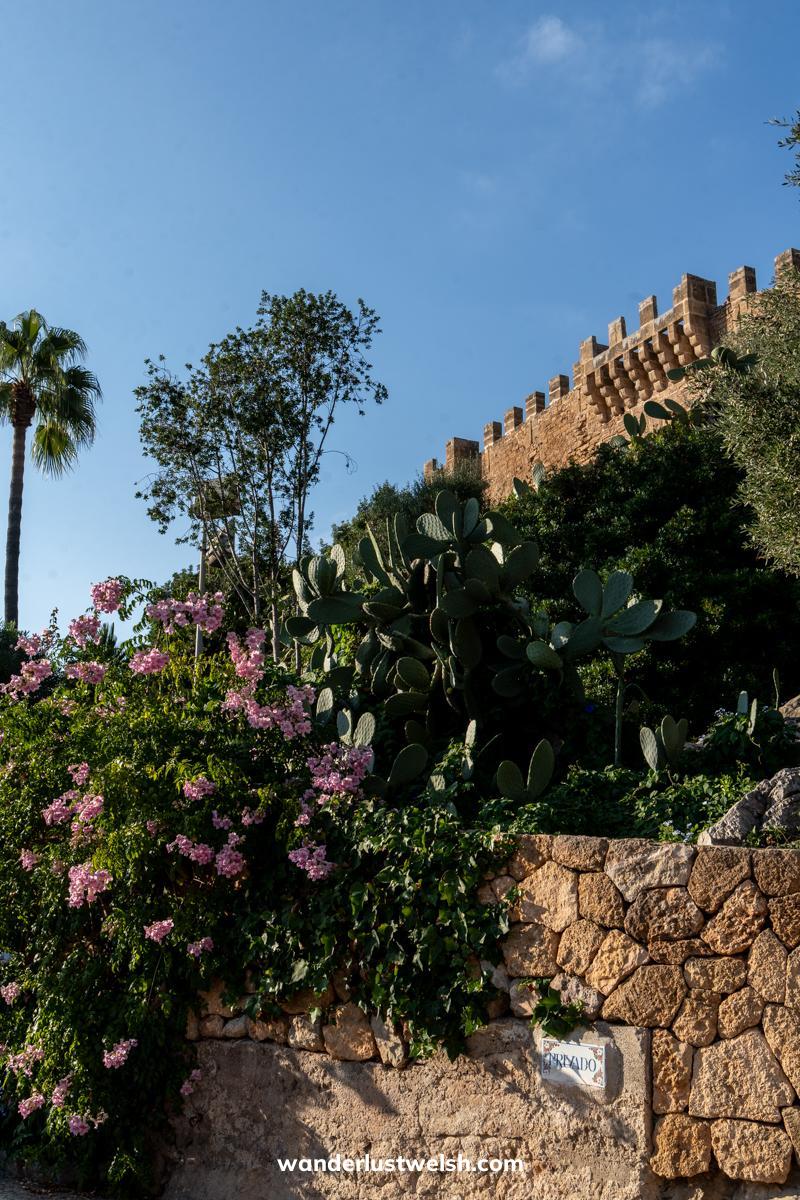
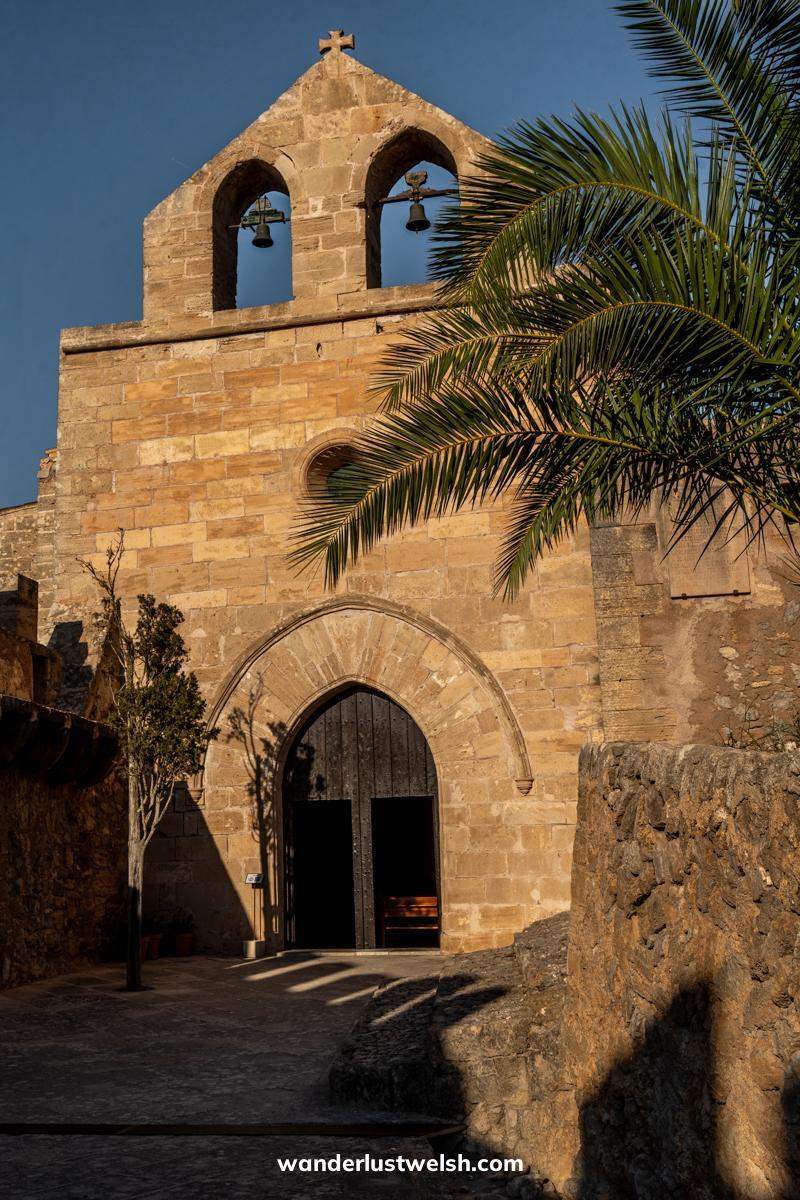
Developed by the Consell de Mallorca, the trail is well sign posted and passes through the municipalities of Manacor, Sant Llorenç des Cardassar, Son Servera, Artà, and Capdepera. The route is designed to be accessible for all levels of hikers, from beginners to more experienced walkers looking for a new side of Mallorca to explore.
Other Hiking Trails
There are plenty of other hiking trails in Mallorca that I still hope to explore, such as –
Puig de Massanella: At about 1,364 metres, it is Mallorca’s second-highest peak. The trail starts near Lluc and offers sweeping views over the island.
Torrent de Pareis: A dramatic canyon hike beginning in Escorca and ending at Sa Calobra. Very challenging. You may need scrambling over rocks.
Camí de s’Arxiduc (Deià → Valldemossa): Moderate in difficulty, rich in scenery—sea views, forests, historic paths.
Cala Tuent to Sa Calobra Coastal Walk: A trail combining coastline, forest, and spectacular vistas.
Practical Tips for Hiking
- Trails may be well signposted, but in remote areas or old stone paths you should have a detailed map or GPS.
- Bring enough water as some trails have few or no places to refill. On hot days, you will need more than you expect.
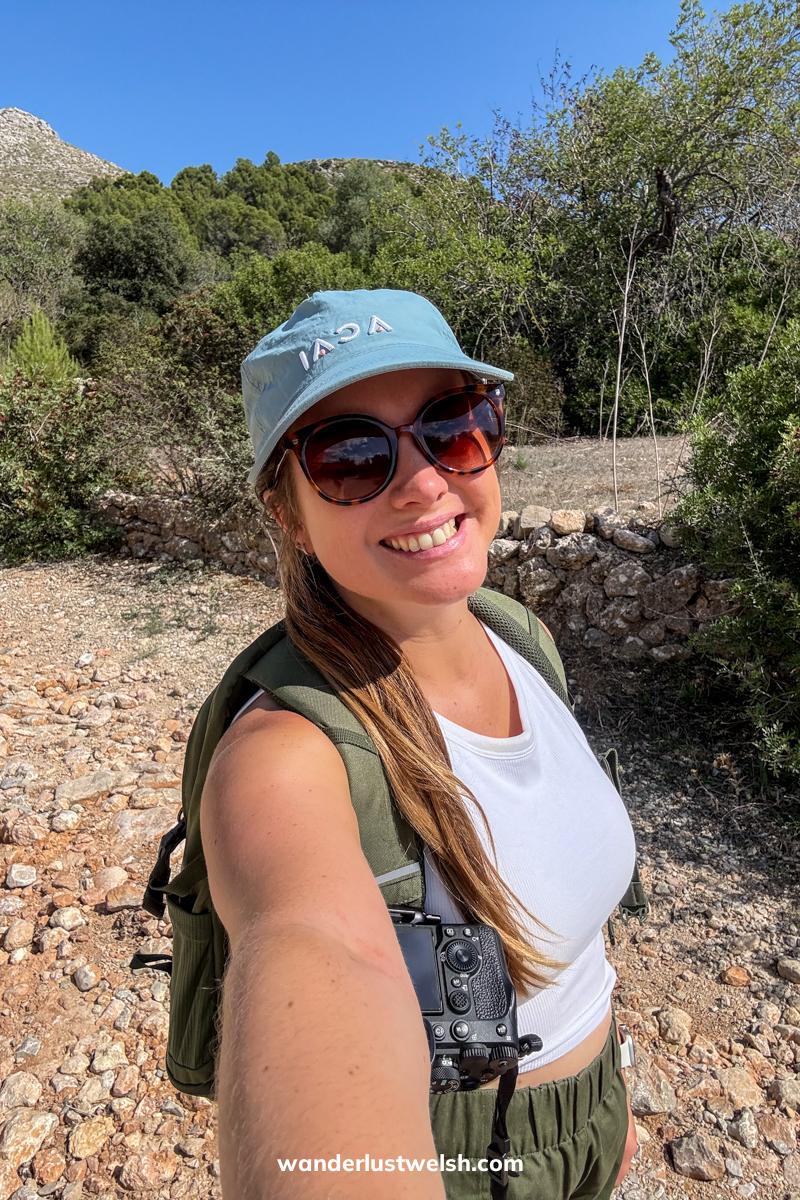
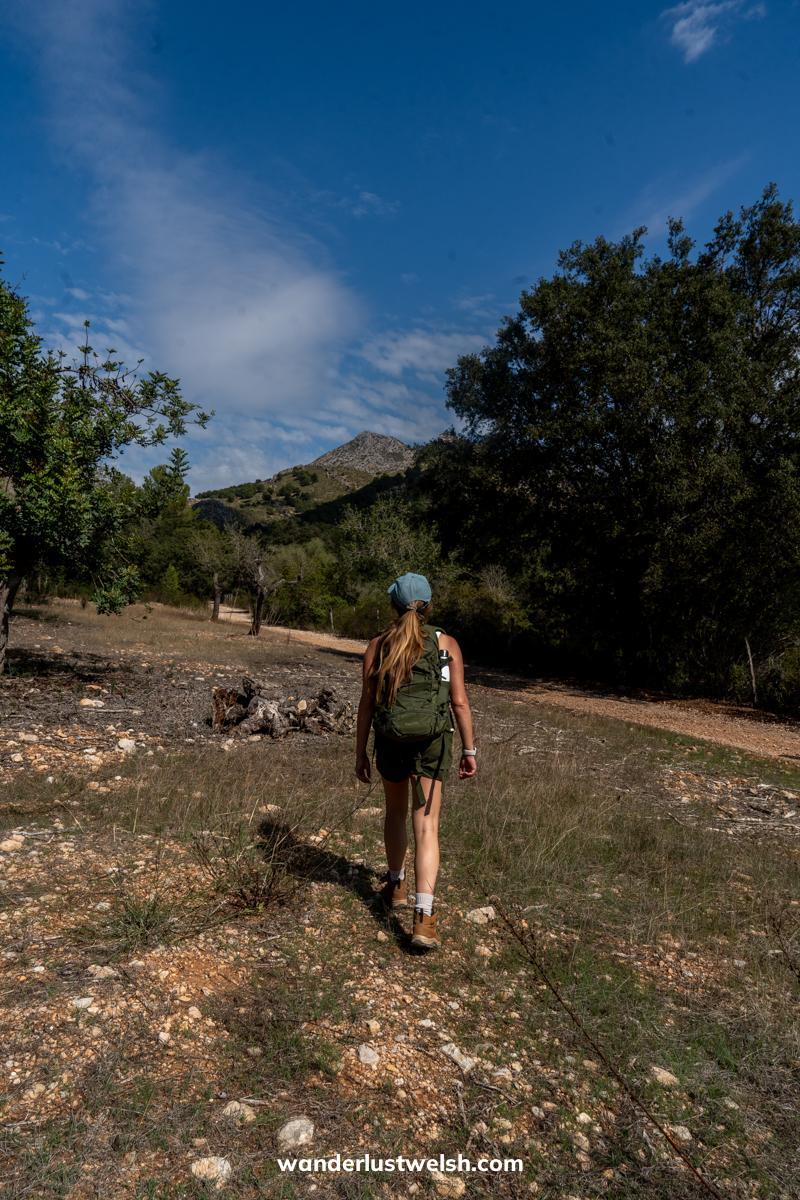
- Strong footwear is essential. Some paths are rocky, steep, or slippery. Layers are helpful: mornings may be cool, midday hot, and evenings chilly, especially in the mountains.
- Watch the weather. Try to start hikes early in the day to avoid both heat and afternoon storms.
Getting to Mallorca
You can reach Mallorca easily by air or by ferry.
Flights land at Palma de Mallorca Airport, which has many international connections, especially in summer.
Ferries run from mainland Spain (Barcelona, Valencia, Denia), bringing travellers and vehicles. Ferries are great if you want to bring a car or enjoy a slower-paced journey.
Once you arrive, getting around is doable by car, bus, or smaller transport services. Many hiking trails are off the beaten track, so hiring a car gives you more flexibility. If you stay near public transport routes, buses or shuttles work well. Buses are less frequent in the low seasons (November – March).
Where to Stay in Mallorca
Where you stay depends on what kind of hiking and sights you want, and whether you prefer beaches, mountains, or town life.
- Mountain villages like Lluc, Deià, Valldemossa are great bases for hiking the Tramuntana. They offer quieter nights, scenic views, and more authentic Mallorcan atmosphere.
- Beachside towns such as Port de Pollença, Alcúdia, or the eastern coves are good if you want to combine walking with sea time.
- Palma, the capital, works well as a home base if you like having restaurants, culture, nightlife, plus the option to day-trip into the hills.
Accommodation ranges from simple guesthouses and fincas (rural houses) to luxury hotels. Prices vary widely, especially between high season (summer) and off-peak months. Booking early helps.
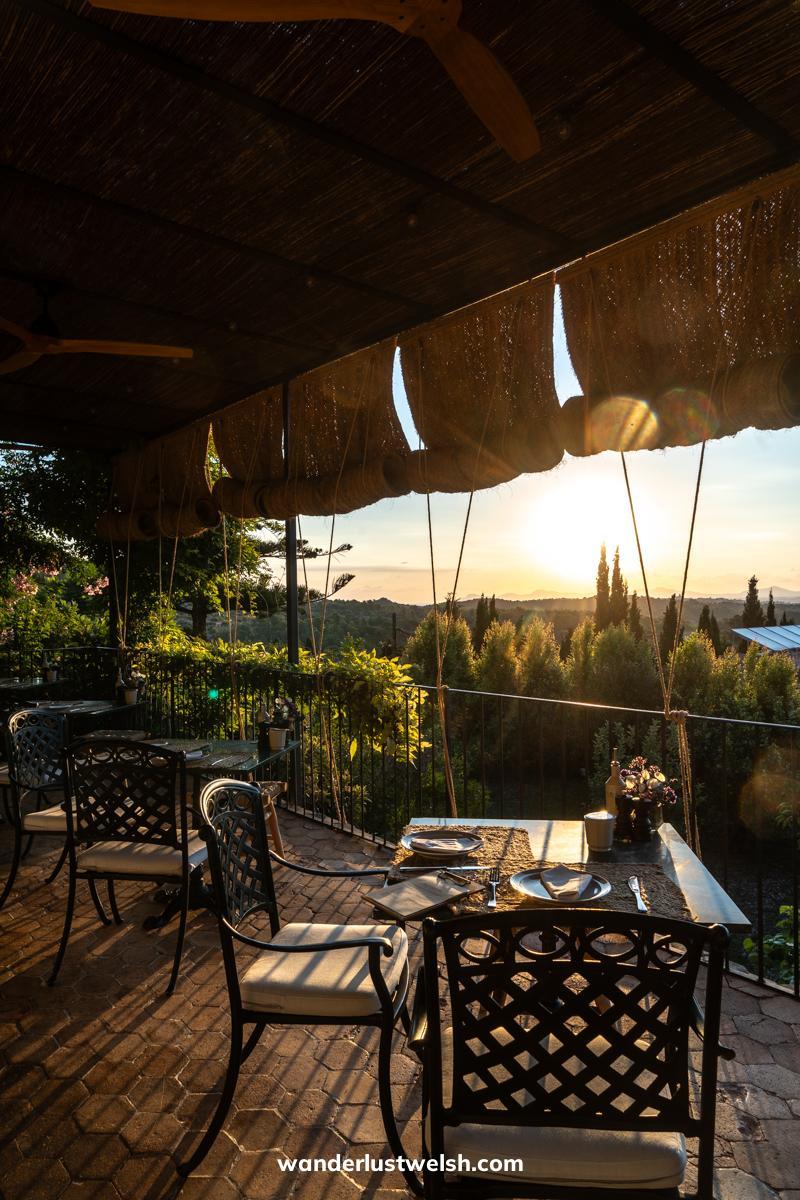
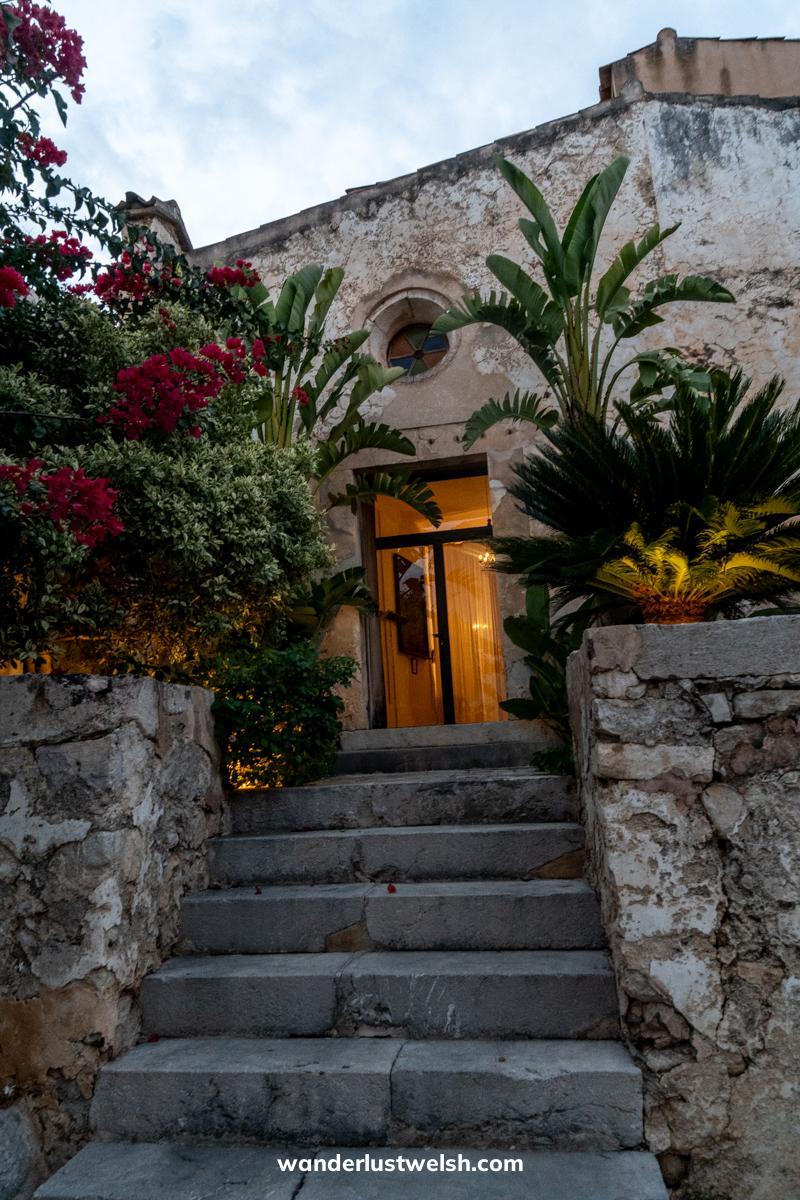
If you’re looking for something special during your stay in Mallorca, we’d recommend Ca’n Beneït Iconic Retreat. The retreat offers stylish, comfortable rooms, tranquil gardens, and a welcoming atmosphere, making it an ideal place to relax and recharge after exploring the mountains.
Where to Eat in Mallorca
Local cuisine adds flavour to your hikes and days off. You will find places serving both traditional Mallorcan food and more international fare.
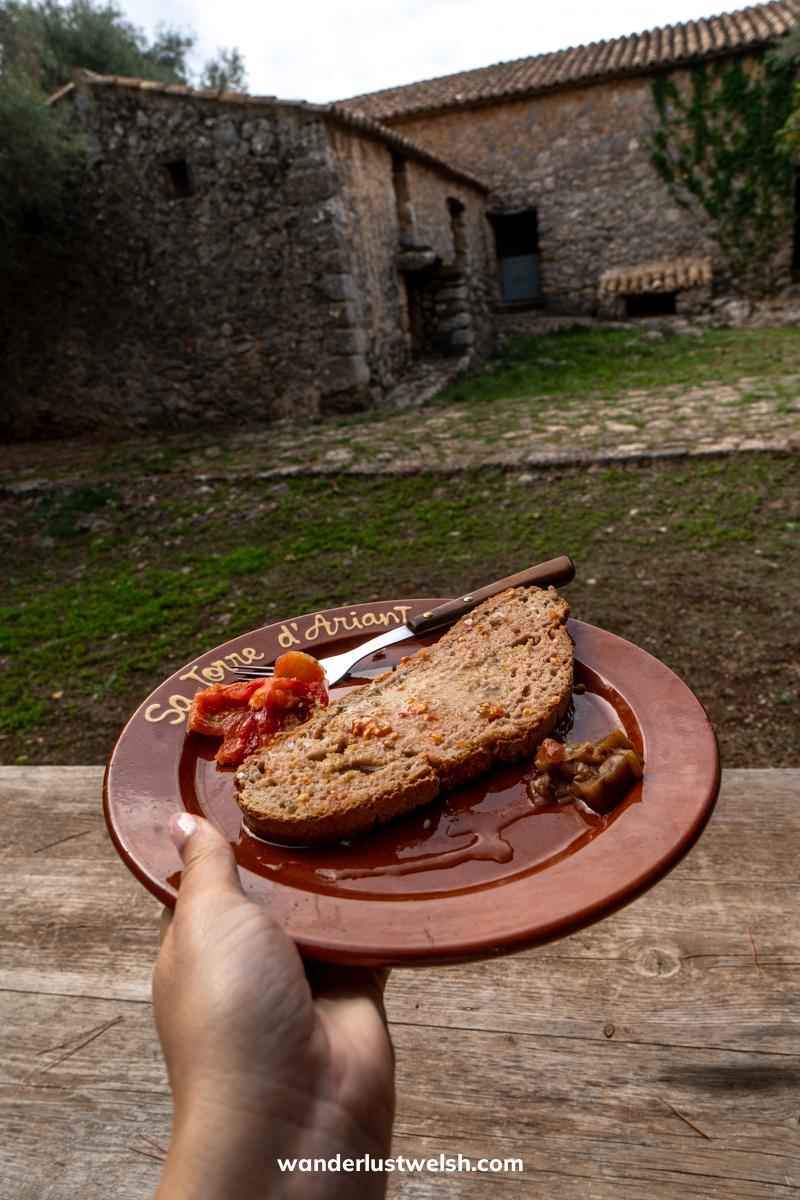
Traditional dishes include pa amb oli (bread with tomato and olive oil) sopes mallorquines (bread and vegetable soup), fresh fish, and tapas-style small plates.
Best meals often come from smaller towns or villages. If you walk a few streets back from main beaches or tourist centres, you will often find restaurants with better value and more authentic flavours.
Vegan and Vegetarian Food in Mallorca
While fish and seafood are staples of Mallorcan cuisine, the island also offers plenty of options for vegans and vegetarians, especially in Palma, where plant-based dining has grown rapidly in recent years.
From cosy cafés to creative Mediterranean restaurants, you’ll find plenty of fresh, flavourful plant-based meals. Many focus on organic, locally sourced ingredients, making it easy to eat well and sustainably while exploring the island.
If you’re looking for vegan food in Palma, Ca n’Ela Vegan Restaurant is a top choice. Located in the La Lonja district, it serves creative dishes made with organic, locally sourced ingredients, from smoked eggplant tartar to raw beetroot ravioli. The cozy atmosphere, friendly service, and thoughtful plant-based menu make it a perfect spot for lunch or dinner.
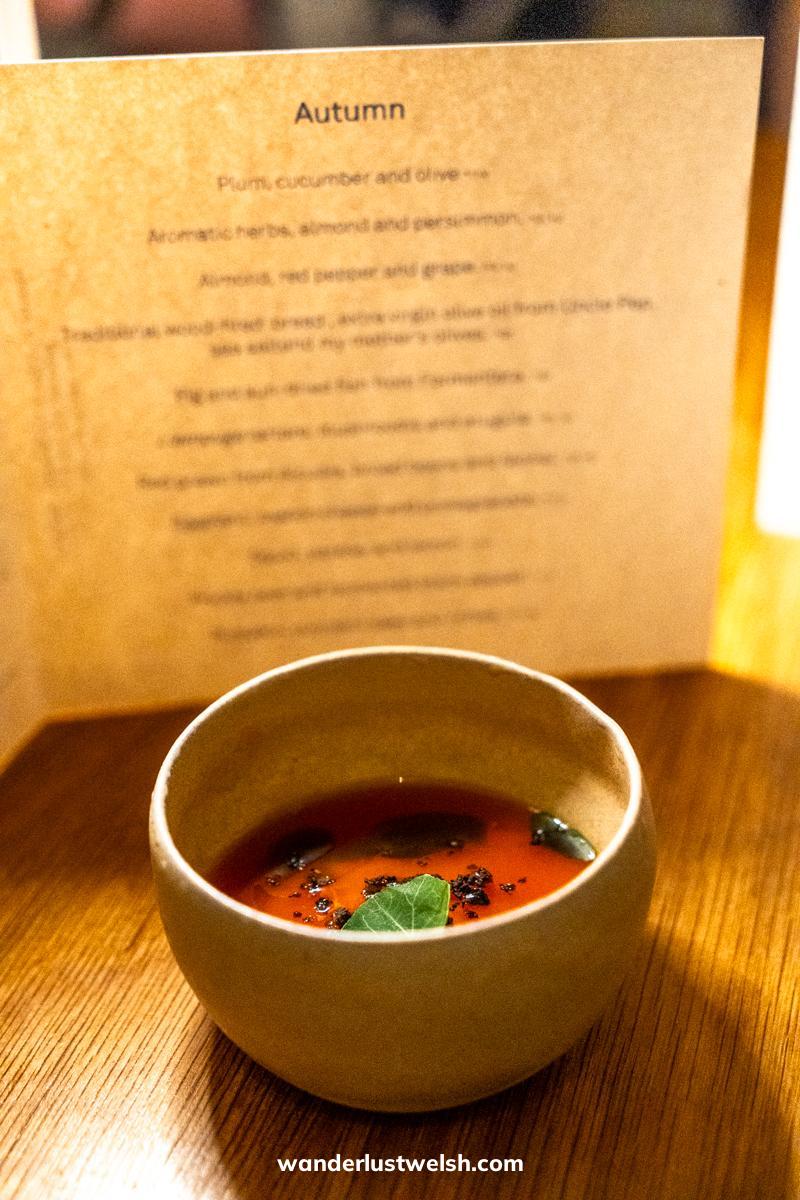
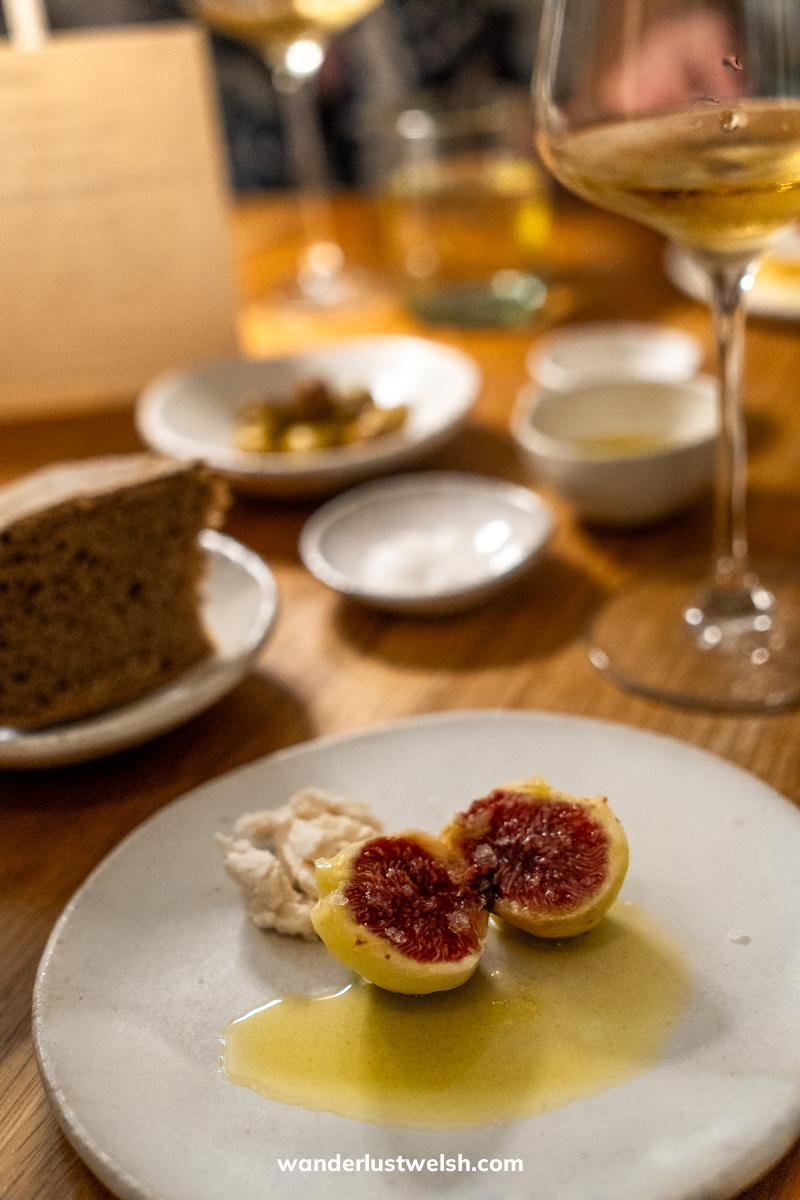
Ca Na Toneta, located in the village of Caimari at the foot of the Tramuntana mountains, is a must-visit for authentic Mallorcan cuisine. The restaurant offers a seasonal tasting menu featuring ingredients from their own organic garden and local producers. They adapted the menu for me as a vegan, and every course was delicious, making it a truly memorable dining experience.
Best Time to Visit Mallorca
Timing matters for both comfort and enjoyment.
Spring (March-May): Mild weather, blooming landscapes, and fewer crowds. Trails are especially beautiful this time of year.
Summer (June-August): Hot and dry. Great for beaches and water-based activities. Hiking is possible, but early mornings are best to avoid midday heat.
Autumn (September-October): Similar to spring in mildness. Sea is still warm. Fewer tourists. A very pleasant season for hiking and exploring.
Winter (November-February): Much quieter. Weather is cooler, but many trails remain accessible. Good choice if you prefer tranquillity and lower prices.
Mallorca Experiences Beyond Hiking
While hiking may be the main focus, Mallorca has plenty of other experiences that add depth to your trip:
Fundació Vida Silvestre de la Mediterrània (FVSM): a Mallorca-based non-profit focused on protecting Mediterranean wildlife and habitats. They are particularly renowned for their work in recovering the black vulture population and managing the Ariant Biological Reserve in the Tramuntana mountains.
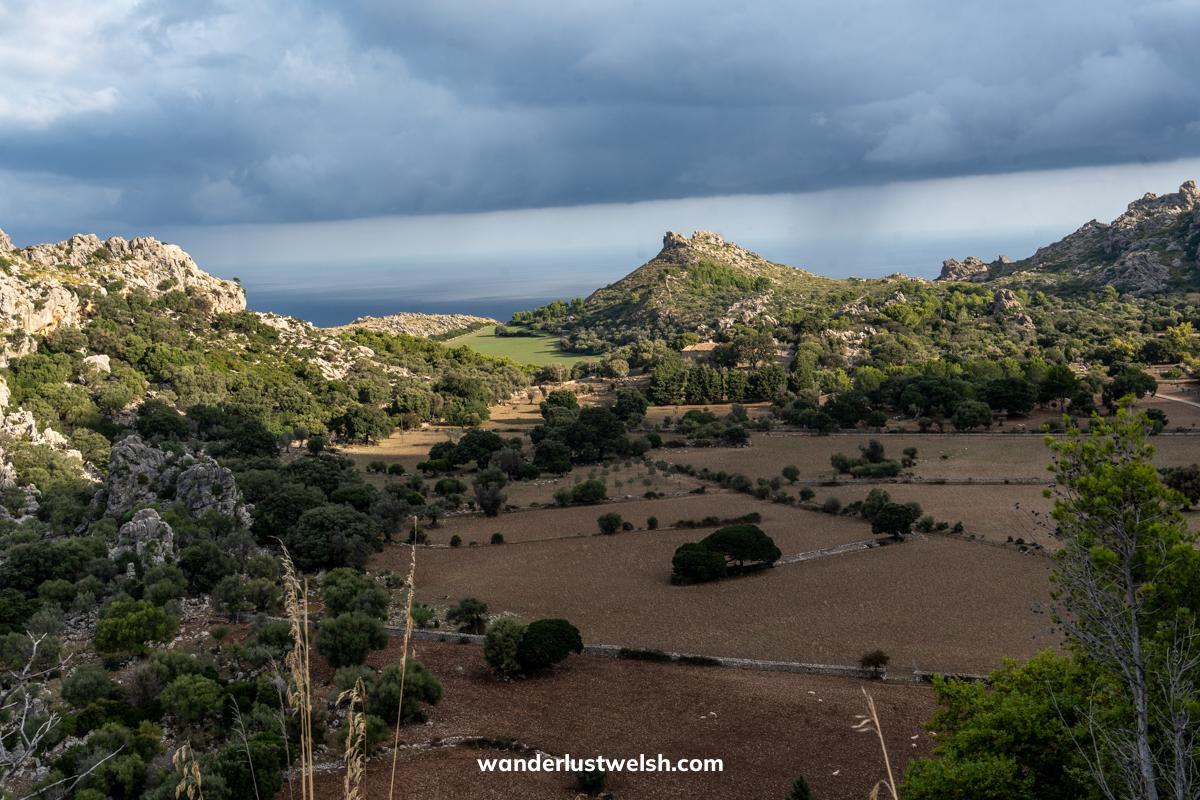
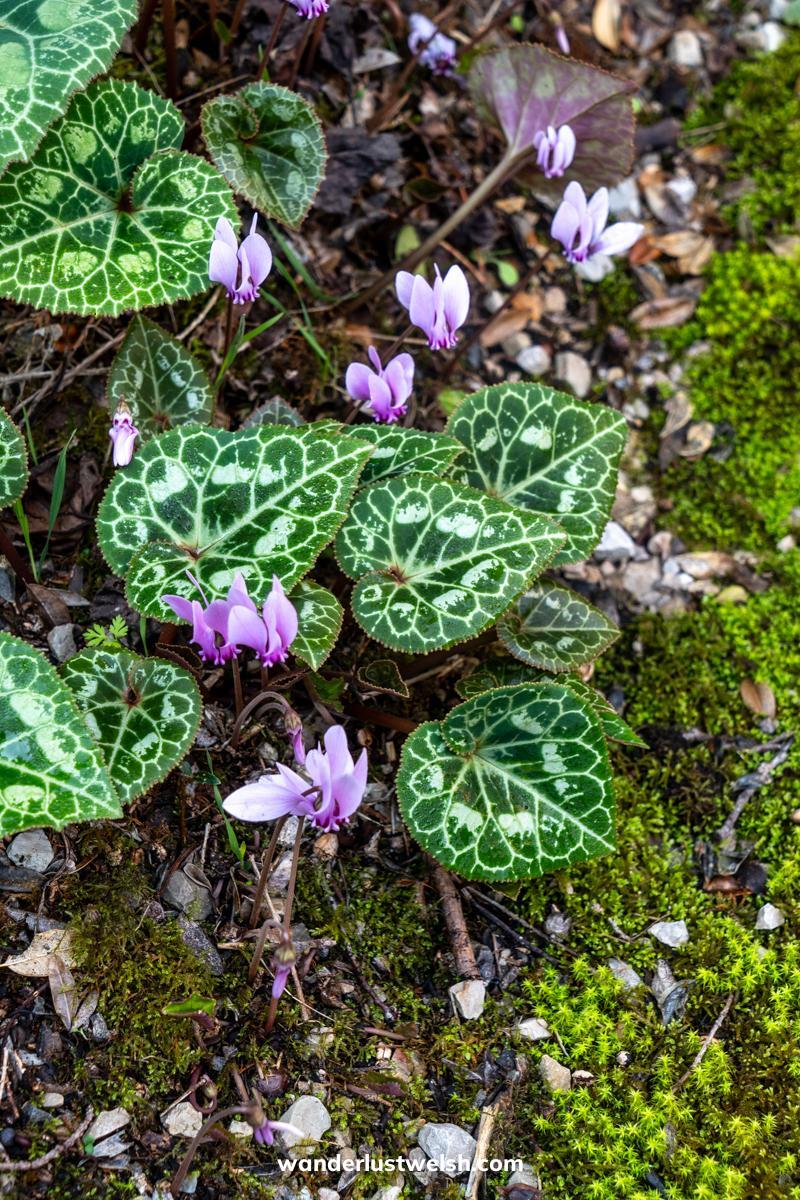
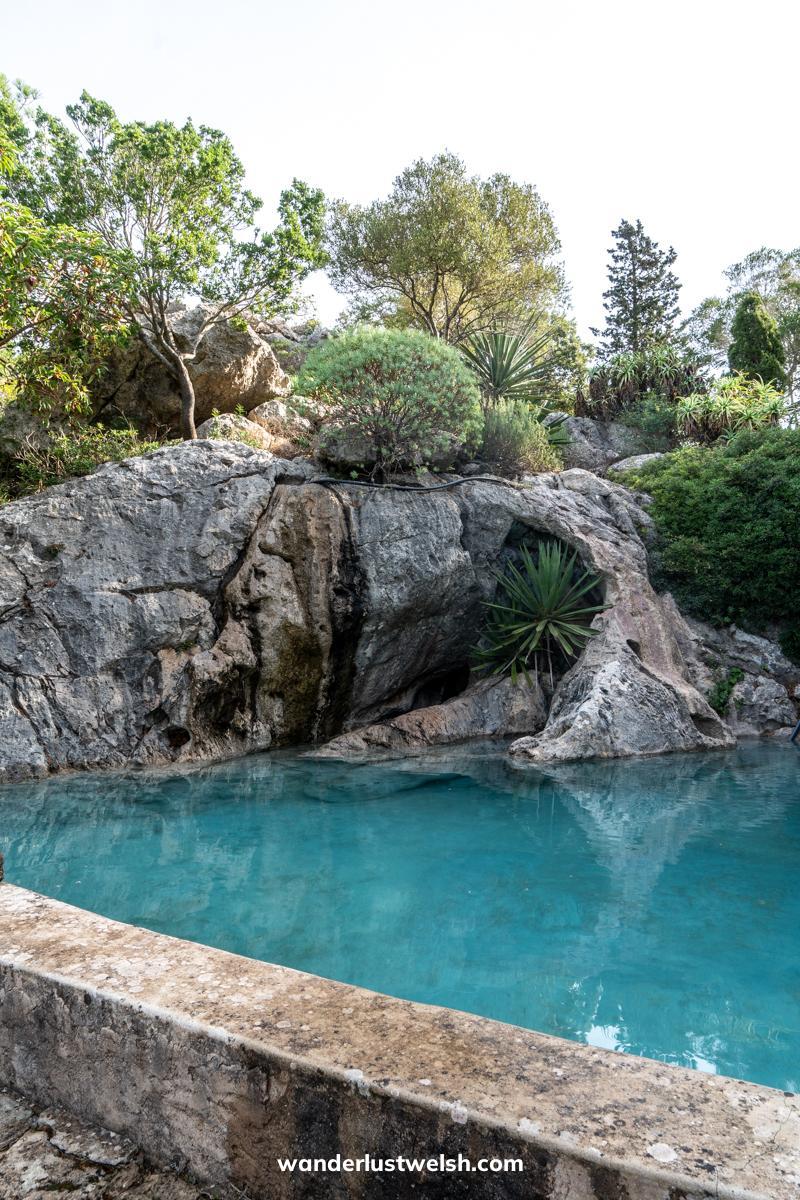
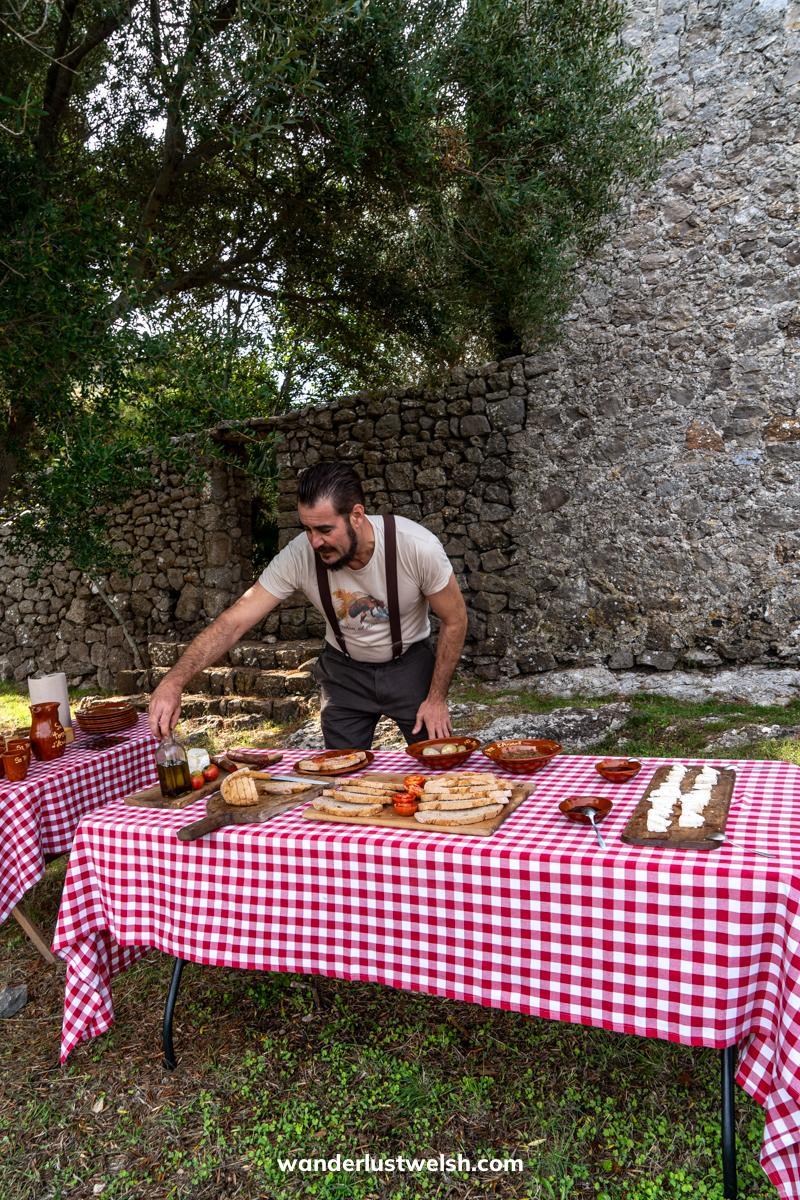
FVSM offers three types of tours: gardens, vultures, and farms. Their most popular option is the garden tour with picnic (€65 per person). The beautiful garden features a diverse collection of plants from around the world, including species from Peru, Australia, South Africa, all planted alongside native Mallorcan flora to thrive in the Mediterranean climate.
Beaches and Coves: After a long day on the trails, unwinding at a beach or hidden cove is pure luxury. Top spots include Cala Mondragó, Cala Tuent, and Sa Calobra.
Villages and Towns: Charming towns like Valldemossa, Deià, and Sóller are perfect for exploring history, architecture, local markets, and cozy cafés.
Cultural Sites: Don’t miss Palma Cathedral, Bellver Castle, and the island’s many museums, which offer a glimpse into Mallorca’s rich heritage.
Sea-Based Activities: Try boat trips, kayaking, or snorkeling around cliffs and coves to see Mallorca from a whole new perspective.
Local Markets & Food Fairs: Visiting a market is a great way to enjoy fresh produce, local delicacies, and immerse yourself in everyday Mallorcan life.
Mallorca FAQs
Is Mallorca Expensive?
Mallorca is not the cheapest European destination, but it doesn’t have to break the bank. Costs depend heavily on where and when you stay, and how you eat and travel around.
- Mid-range hotels at popular spots cost more in summer; off-peak rates can be significantly lower.
- Eating out at tourist-facing restaurants is more expensive; smaller local eateries and menus del día offer better value.
- Transport around the island adds cost unless you plan carefully.
So yes, Mallorca can be expensive, but with good planning, you can enjoy a wonderful trip without overspending.
Is Mallorca Worth Visiting?
Absolutely. If you like nature, walking, good food and a mix of relaxing days and active ones, Mallorca delivers. You get mountains, coastline, village life, cultural heritage, and enough variety that you can return many times without seeing everything.
Is Hiking in Mallorca Good for Beginners?
Yes. Many trails are fairly easy. The new GR 221 is suitable for all levels of hikers.
If you are new to hiking:
- Pick shorter routes first
- Avoid trying very steep or exposed trails when the weather is hot
- Use good maps or GPS devices
Hiking Mallorca gives you options to build confidence while enjoying amazing scenery.
Is Majorca the same as Mallorca?
Yes, Majorca and Mallorca are the same island. “Majorca” is the older, Anglicized version commonly used by English-speaking visitors, while “Mallorca” is the island’s official name in Spanish and Catalan.
Hiking in Mallorca – Ultimate Guide to the GR221, GR226 & the Island’s Most Scenic Trails
Don't Forget to Pin it for Later
More Europe Travel
Find more of our Europe travel guides below:
-
Hiking in Mallorca – Ultimate Guide to the GR221, GR226 & the Island’s Most Scenic Trails