Climbing Mount Kilimanjaro – Full Guide to Trekking Africa’s Highest Peak
Climbing Mount Kilimanjaro is a bucket-list experience. As Africa’s highest peak at 5,895 meters (19,341 feet), it offers adventure, challenge, and stunning landscapes. The Lemosho Route is one of the best paths to the summit. Known for its scenic variety and lower crowds. With its high success rate, it gives you the best shot at reaching Uhuru Peak.
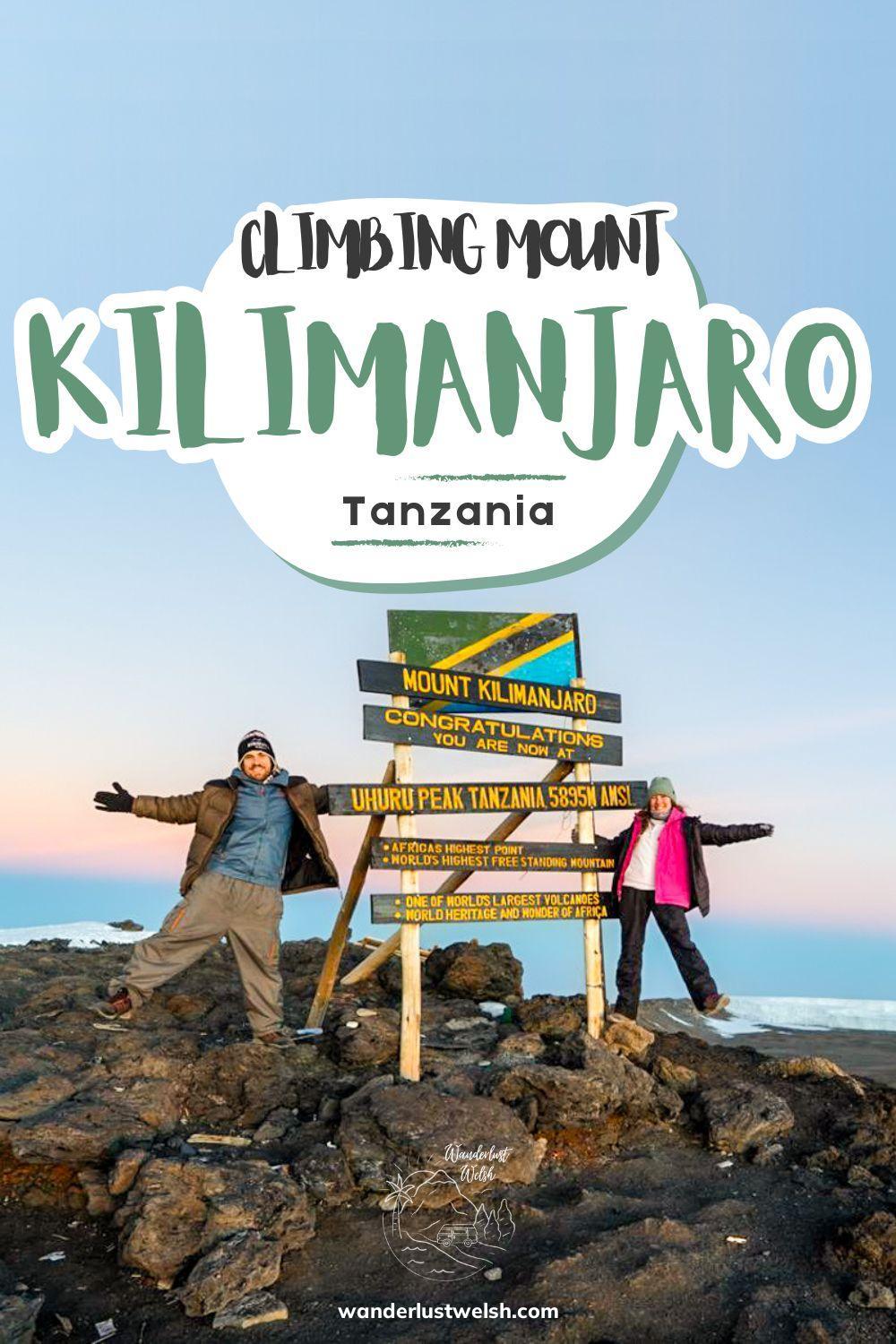
Climbing Mount Kilimanjaro
This guide covers everything you need to know about climbing Mount Kilimanjaro on the Lemosho Route, from how hard it is to what to pack, when to go, where to stay, daily itinerary, and costs.
Routes to Climb Mount Kilimanjaro
There are seven official routes to climb Mount Kilimanjaro, each offering a different experience in terms of scenery, difficulty, and acclimatisation.
The Lemosho Route is widely considered one of the most beautiful, with fewer crowds and high success rates due to its longer duration.
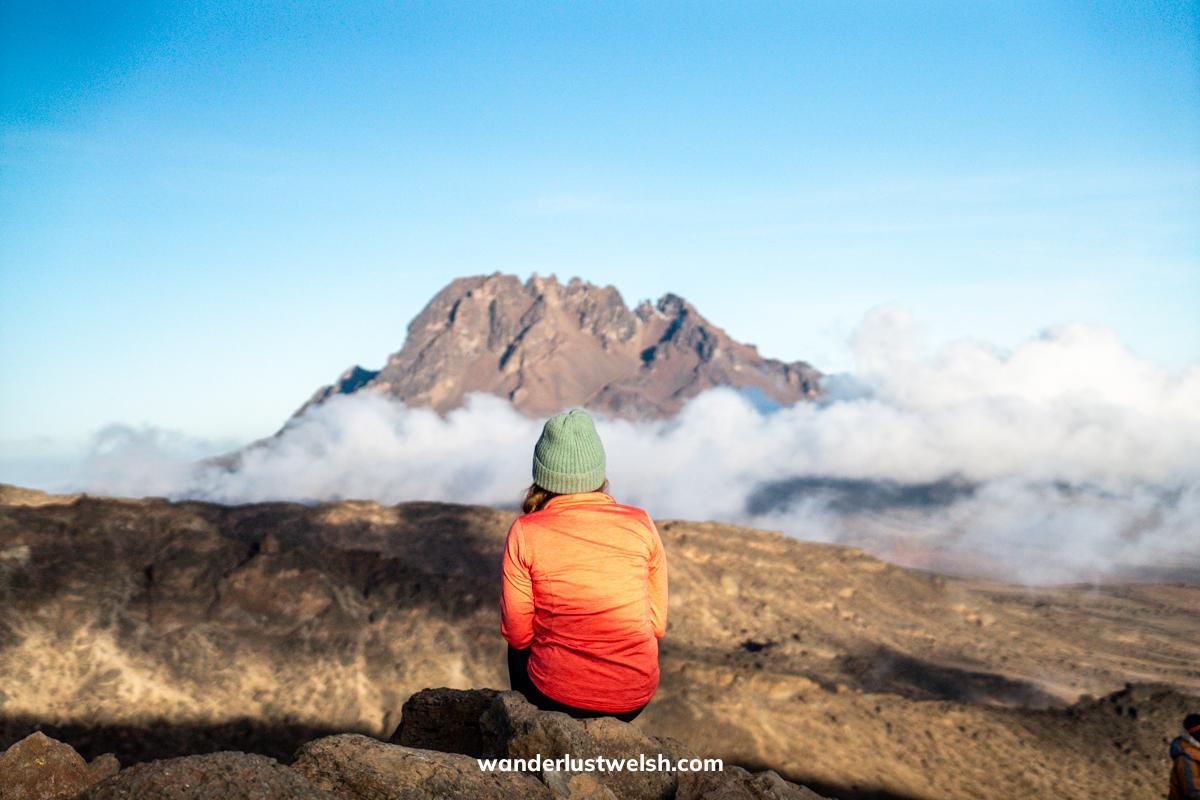
The Machame Route, also known as the “Whiskey Route,” is scenic and popular, but steeper and more physically demanding.
The Marangu Route, or “Coca-Cola Route,” is the only one with hut accommodation and tends to be more crowded, with a shorter acclimatisation period.
The Rongai Route approaches from the north and is drier and less trafficked, making it a good choice during the rainy season.
The Umbwe Route is the shortest and steepest, with less time to acclimatise. Perfect for experienced trekkers seeking a challenge.
The Northern Circuit is the longest route taking 9 days. This is a relatively new route and is the least popular due to the number of days it takes.
The Shira Route is largely a four-wheel-drive trek for emergency vehicles coming down from Shira II Campsite, and few people take this trail now.
Choosing the right route depends on your fitness level, available time, and how you want to experience the mountain.
Lemosho Route
The Lemosho Route approaches Kilimanjaro from the west and joins the Machame Route after a few days. It is regarded as one of the most beautiful routes because it crosses the Shira Plateau, rainforest, alpine desert, and glacier landscapes. It allows for better acclimatisation due to its longer duration and gradual ascent, which is why many choose it over faster but steeper routes.
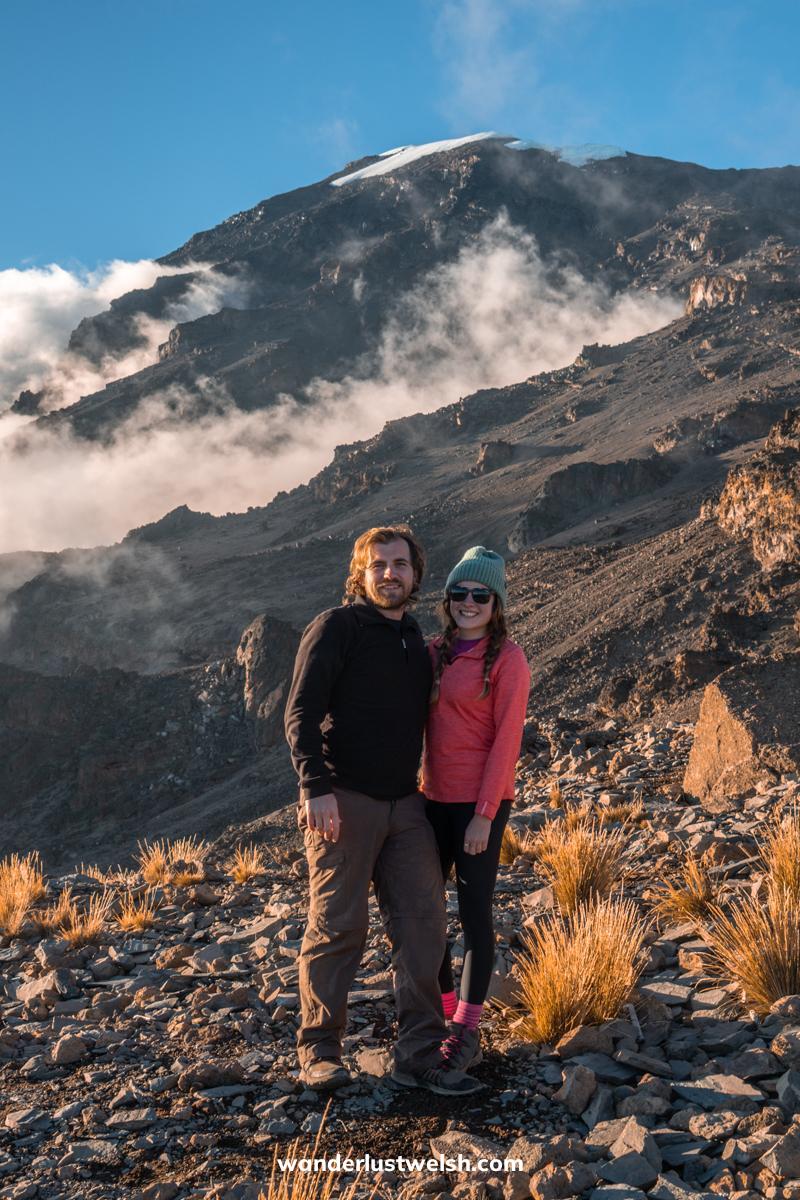
We did the Lemosho route, so that’s the focus of this guide—but much of the advice applies to any Kilimanjaro route.
How Hard is it to Climb Kilimanjaro?
You don’t need technical climbing skills to reach the summit, but the trek is still demanding. You will hike long days at high altitude, often in changing weather. The biggest challenge is altitude sickness, which can affect anyone. With good physical fitness, mental stamina, and proper acclimatisation, you can complete the Lemosho Route successfully.
How Long is the Kilimanjaro Climb?
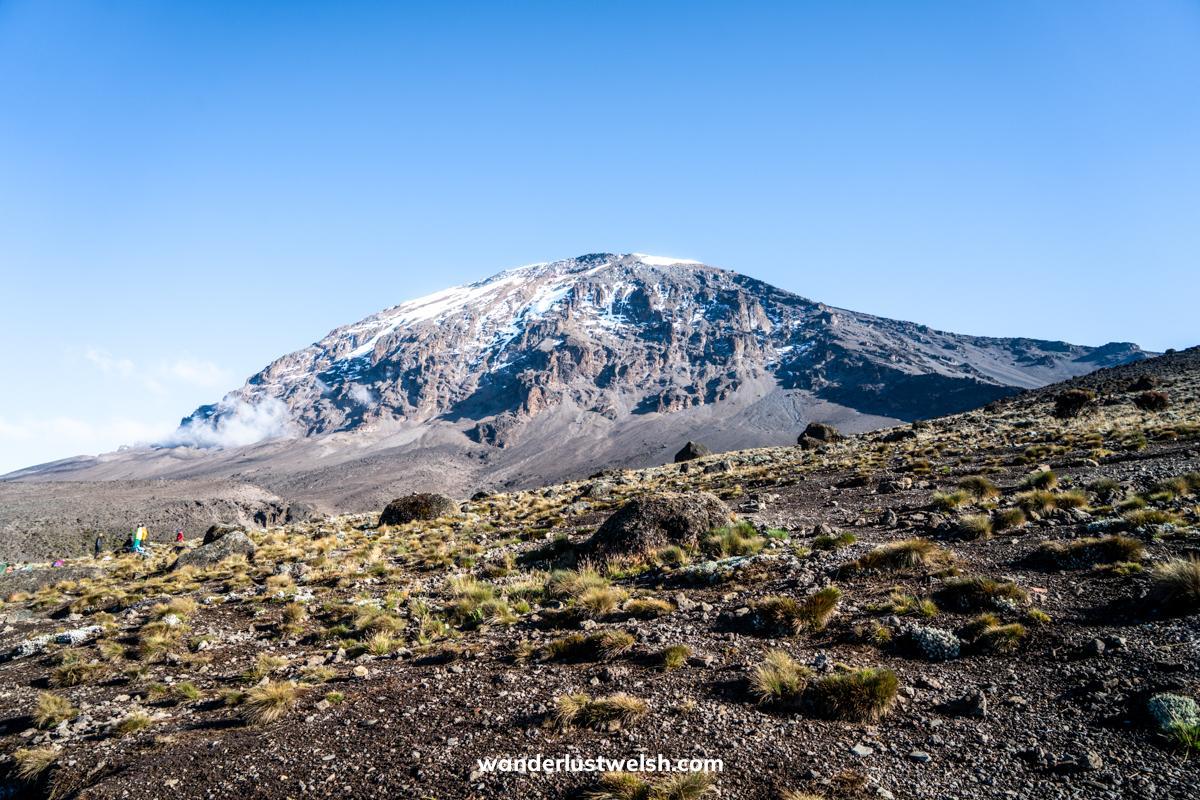
The Lemosho Route is usually done over 7 or 8 days, covering roughly 70 kilometers (43 miles). Taking 8 days improves your chances of reaching the summit, as your body has more time to adjust to the thin air. Each day involves hiking between 4–10 kilometers depending on the section and altitude gain.
How Much Does a Kilimanjaro Climb Cost?
You can expect to pay between $2,000 and $4,000 per person for a guided Lemosho Route trek. The cost depends on:
- Number of days (7 vs 8 days)
- Group vs private tour
- Level of camping service (basic to luxury)
- Inclusions like transfers, hotel stays, park fees, meals, gear and portable toilet (yes you can have a porter carry a portable toilet with you – we don’t think this is necessary)
Additional costs:
- Flights to Tanzania
- Tips for guides and porters
- Visa fees
- Personal gear and insurance
When is the Best Time to do a Kilimanjaro Climb?
The best months to hike Kilimanjaro are January to March – Clear skies and fewer people or June to October – Best weather, but more crowds. We chose to do our trek at the beginning of January which was very quiet.
Avoid April–May and November, the two rainy seasons. Trails can be muddy, and views are often obscured by clouds during these months.
Getting to Kilimanjaro
The main gateway is Kilimanjaro International Airport (JRO), located between Moshi and Arusha. From there, you can reach Moshi in about 1 hour by car. Some travellers fly into Dar es Salaam or Nairobi, then take a domestic flight or bus to Moshi.
Where to Stay for Climbing Mount Kilimanjaro
When climbing Mount Kilimanjaro, Moshi and Arusha are the two main towns where most trekkers stay before and after the climb. Both have a range of accommodations catering to different budgets and are well-connected to Kilimanjaro National Park. Moshi is the closest to Kilimanjaro, while Arusha is better if you’re combining Kilimanjaro with a safari. We opted to stay in Moshi due to its proximity to the start of the Kilimanjaro trek.
Where to Stay in Moshi
Moshi is a charming town with plenty of accommodation options for all budgets. You can stay before and after your trek to rest and explore. Your organised tour will sometimes include the day before and after as part of your trip.
Budget: Backyard Hostel is a relaxed and eco-conscious spot just outside Moshi’s centre.
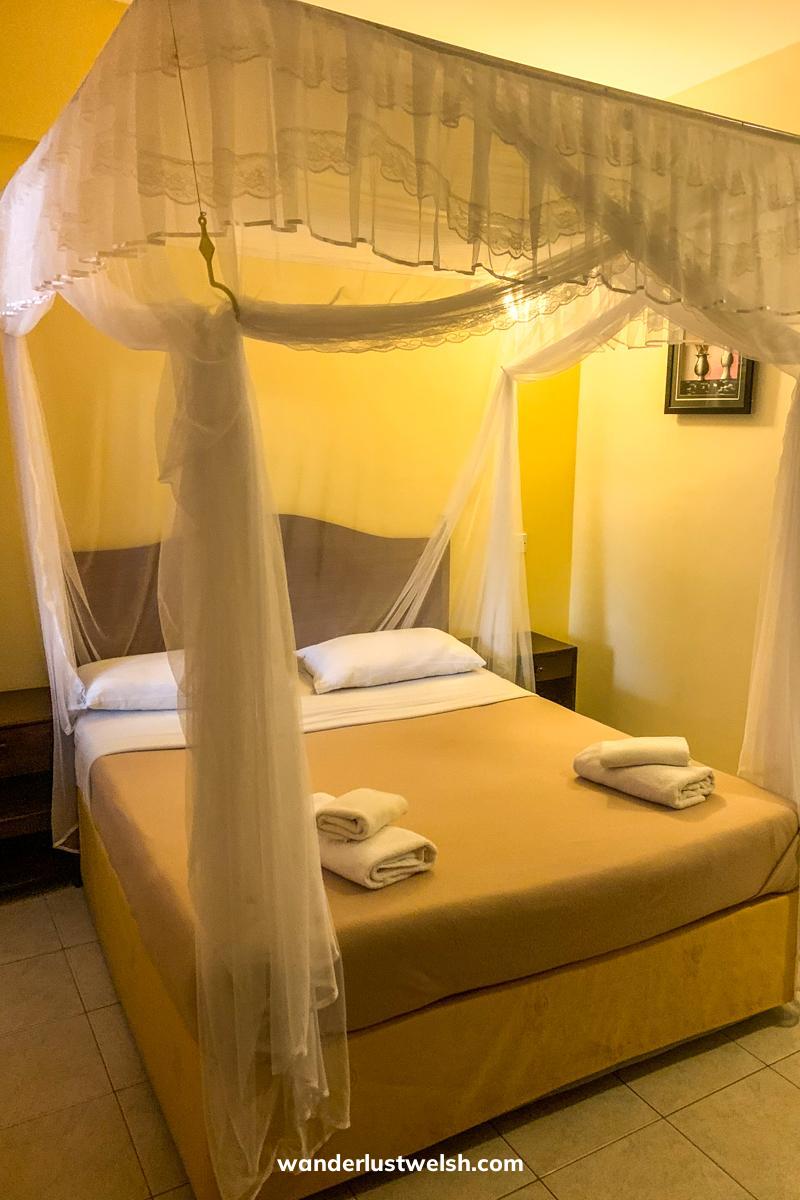
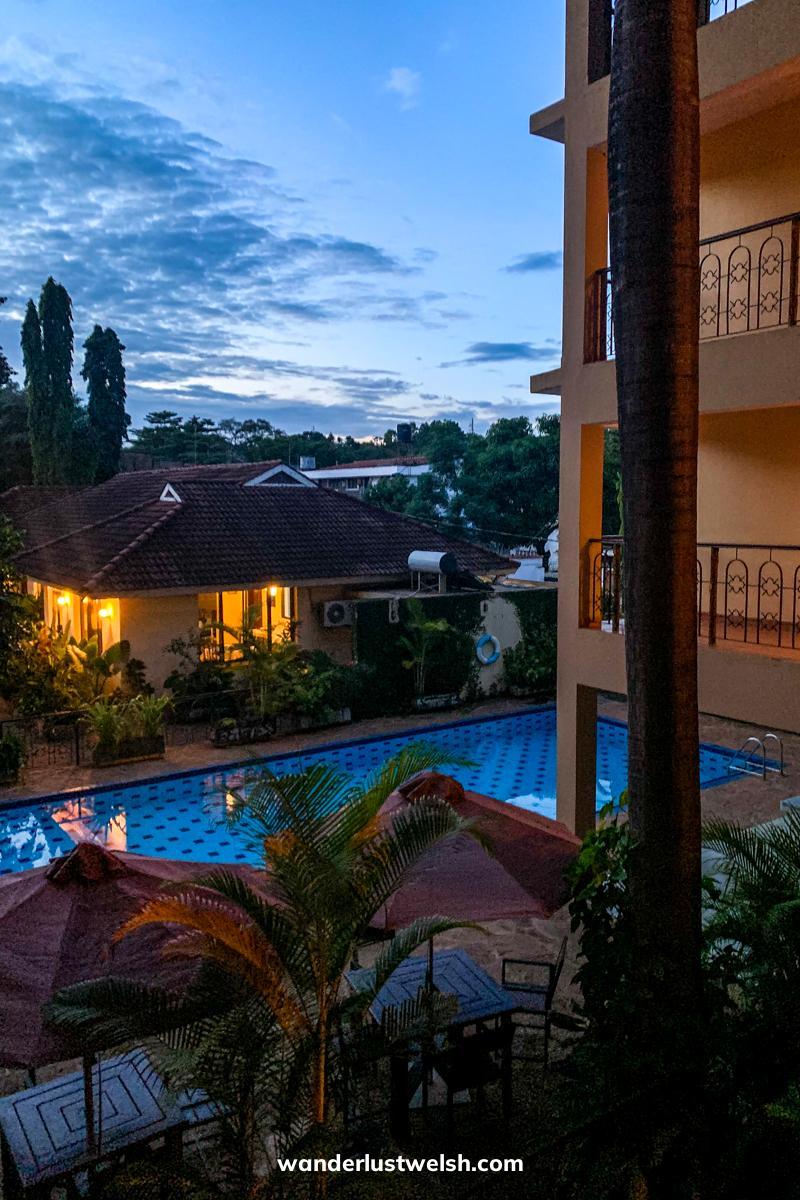
Mid-range: Parkview Inn – a cosy hotel with a pool and amazing views of Mount Kilimanjaro. We stayed here and it was a perfect base for trekking the mountain.
Luxury: Pink Flamingo Boutique Hotel – a peaceful hideaway with lush gardens, a pool, and stunning views of Mount Kilimanjaro—perfect for relaxing before or after your trek.
These places often offer gear storage and airport transfers.
Where to Stay During the Kilimanjaro Trek
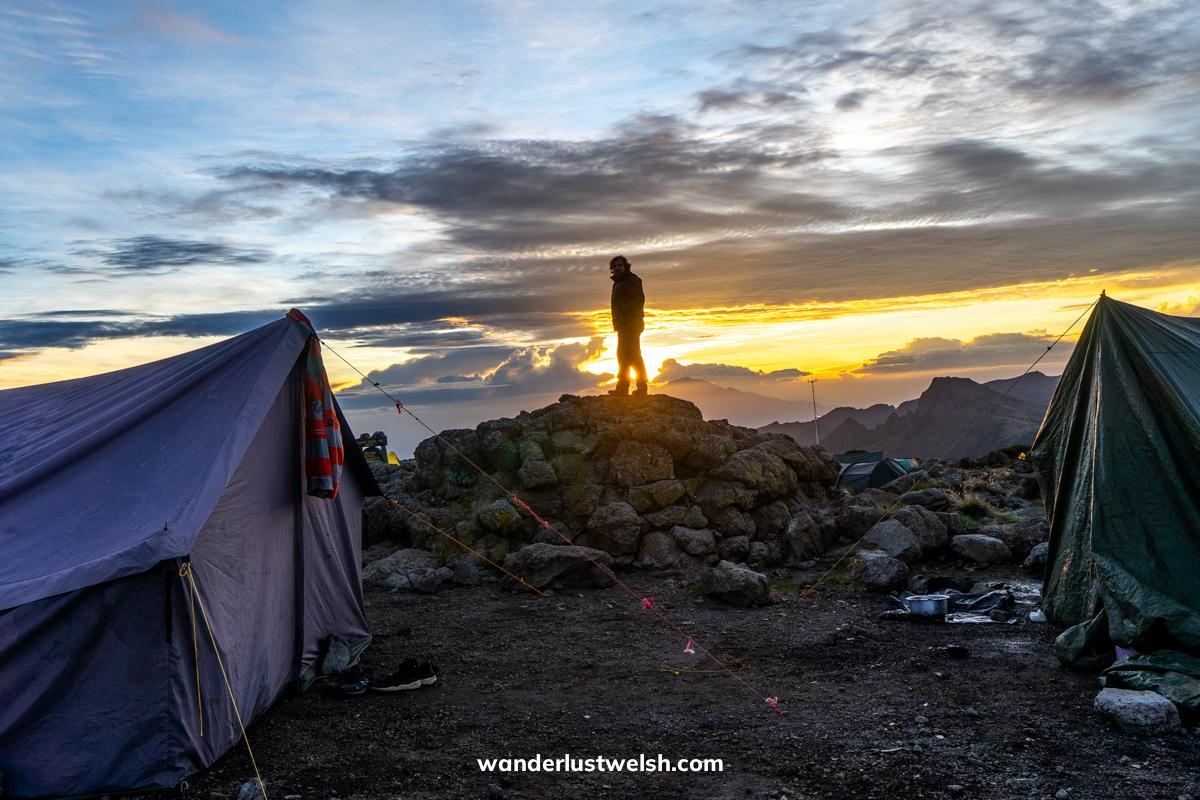
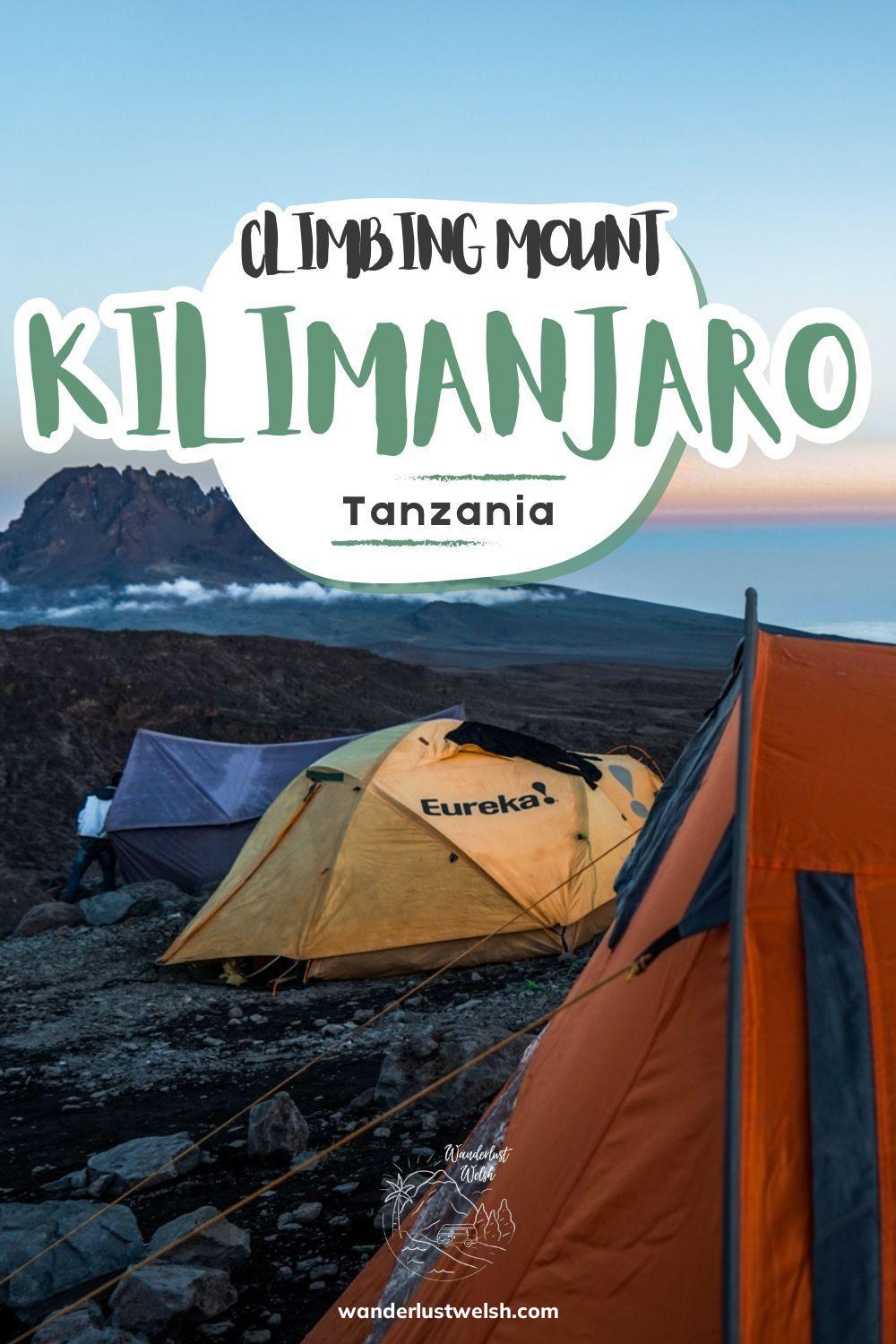
During the Kilimanjaro trek, you stay in basic but comfortable tents provided and set up by your trekking company. Each night, the tents are pitched at designated campsites along the route, often with stunning views of the mountain or the surrounding landscape. A sleeping mat is included, but you’ll need to bring or rent a quality sleeping bag suited to sub-zero temperatures.
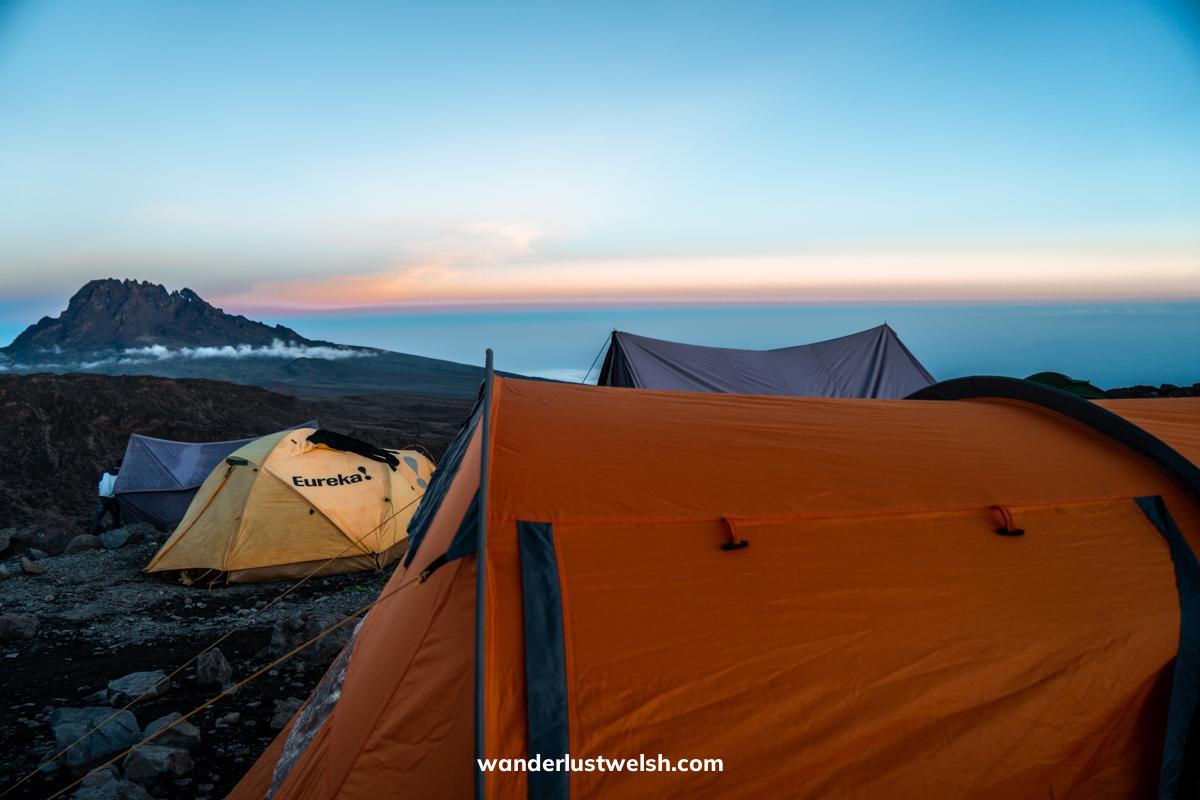
There are usually shared dining tents where meals are served. As we were a group of just two, we ate dinner in our tent. Toilet facilities range from basic long-drop toilets to portable toilet tents, depending on the tour operator.
Food on the Kilimanjaro Climb
Food on the Kilimanjaro trek is surprisingly good, considering the remote conditions. Most tour companies provide hot, freshly prepared meals each day, including hearty breakfasts, packed or hot lunches, and warm dinners. Expect dishes like soups, pasta, rice, vegetables, eggs, and meats, along with plenty of tea, coffee, and snacks to keep your energy up.
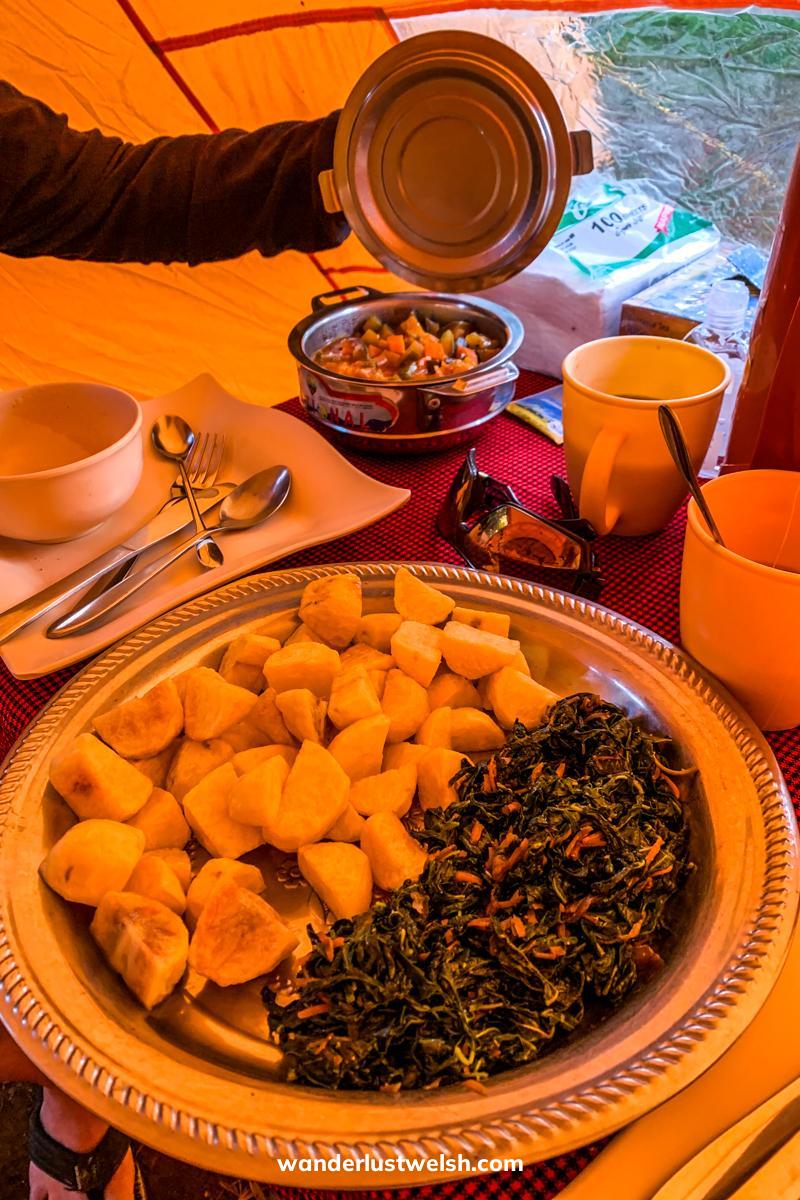
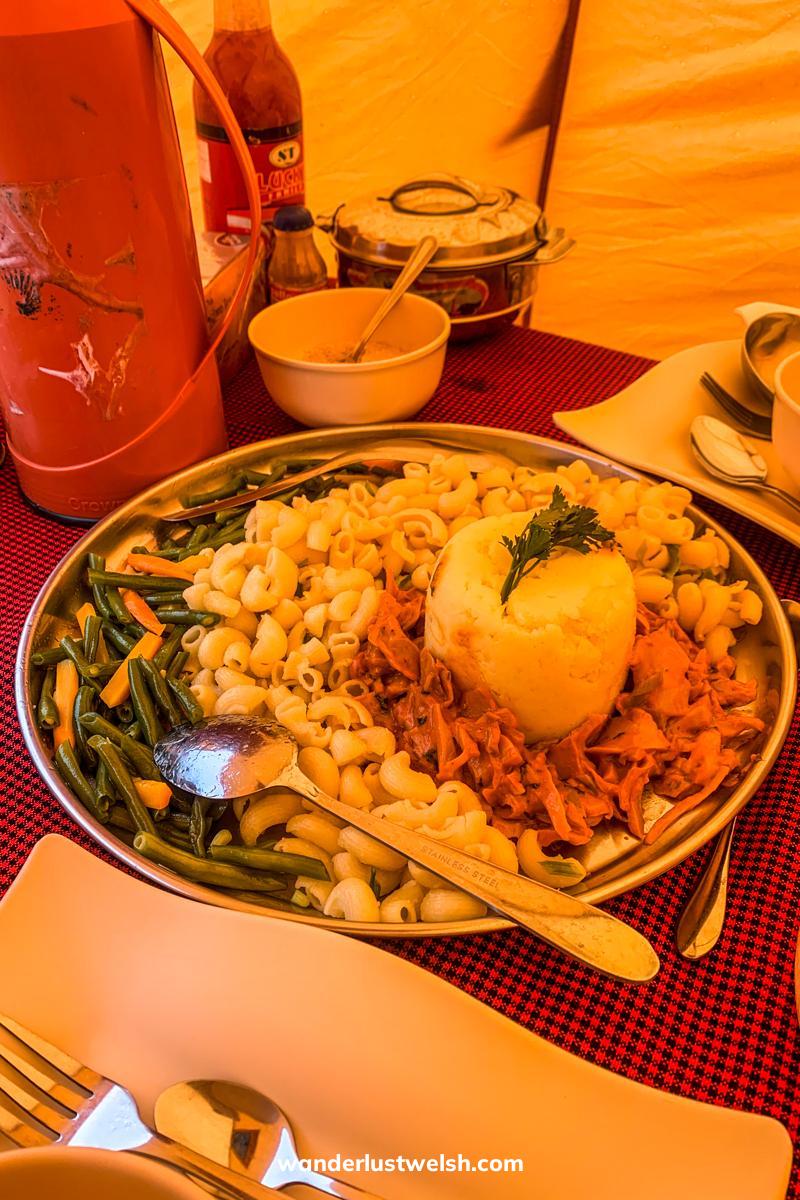
We’re both vegan and made sure to discuss our dietary needs with the tour operator beforehand—they went above and beyond to provide us with delicious meals every day. Eating well is important for stamina and acclimatisation, so even if your appetite drops at altitude, you should try to eat regularly.
Kilimanjaro Trek (Lemosho Route Itinerary)
After exploring the different options, we chose the Lemosho Route for its gradual ascent and better acclimatisation. We both experienced altitude sickness on our Everest Base Camp trek, so we knew we wanted to take things slower on Kilimanjaro. The route is usually spread over eight days, giving the body more time to adjust to the altitude and increasing the likelihood of a successful summit.
Day 1 – Lemosho Gate to Mti Mkubwa Camp
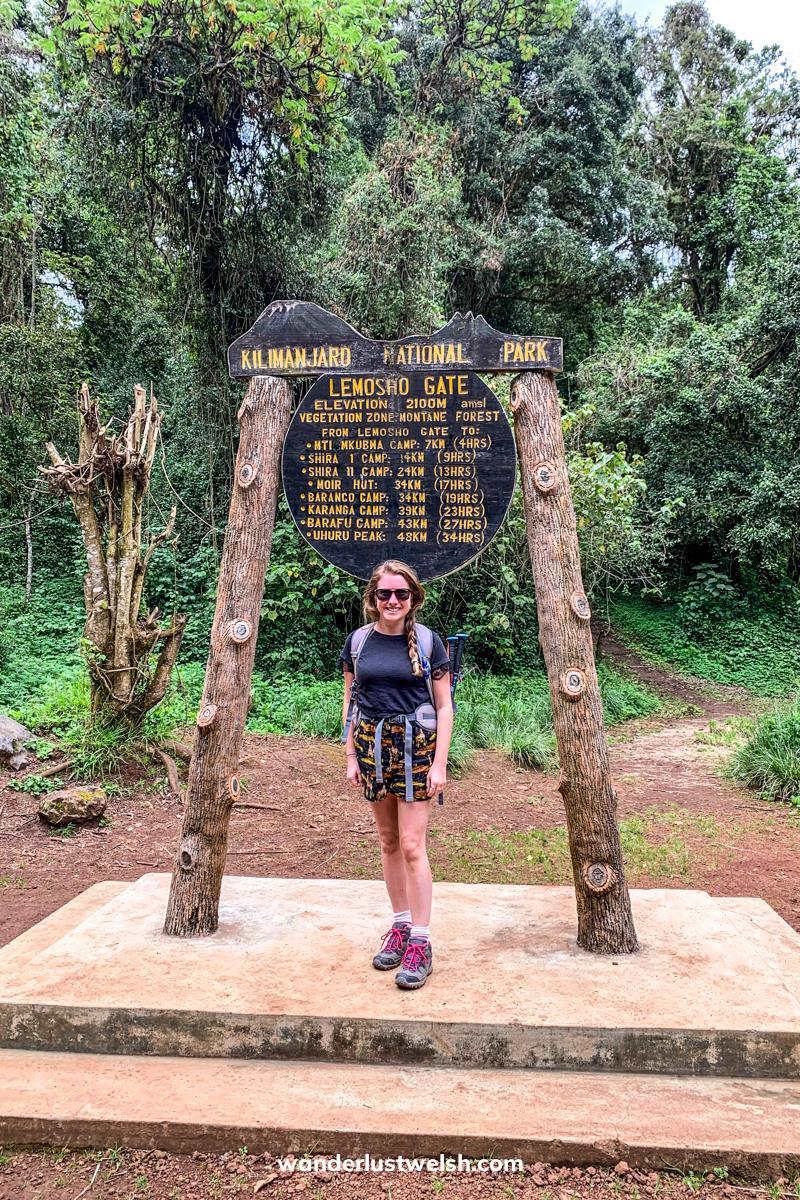
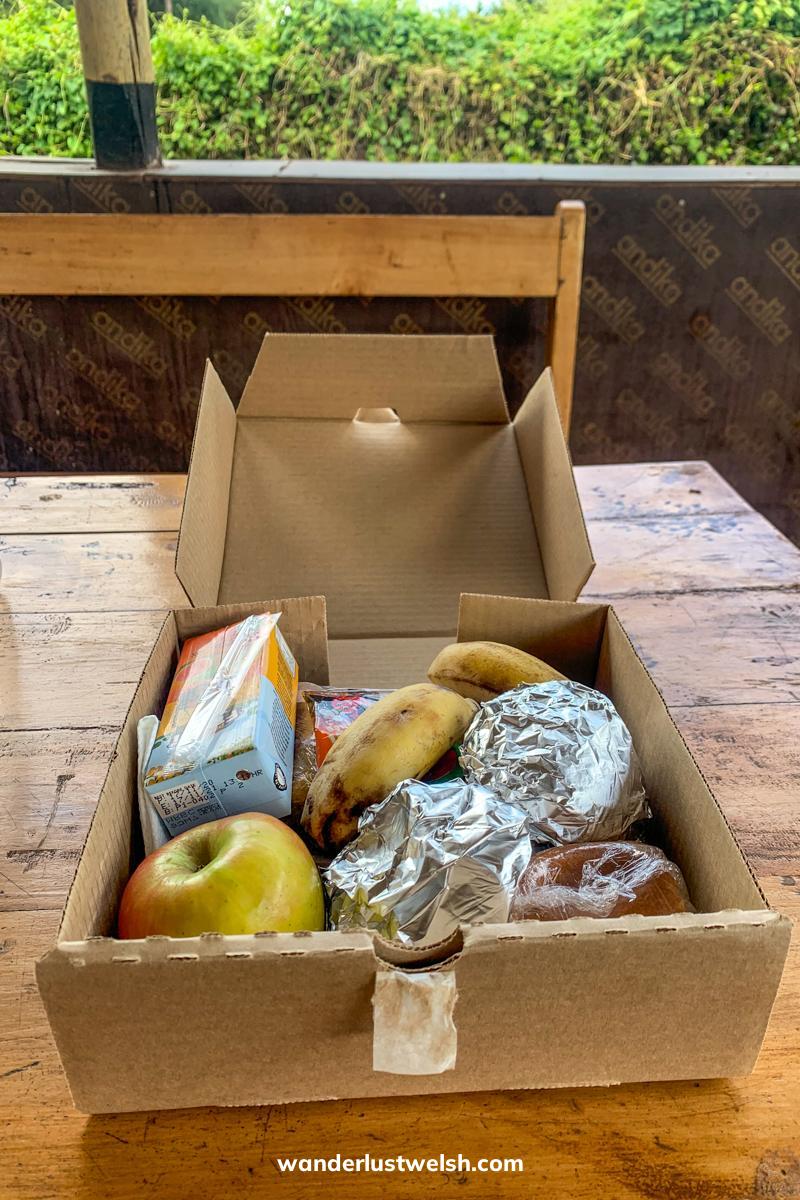
You’ll leave your hotel in Moshi or Arusha at around 8am and drive to the Londorossi Gate for registration. The journey takes around 3 hours. Here you’ll have a packed lunch before you begin trekking through rainforest. Make sure to stop at the Lemosho Gate for a photo as you pass.
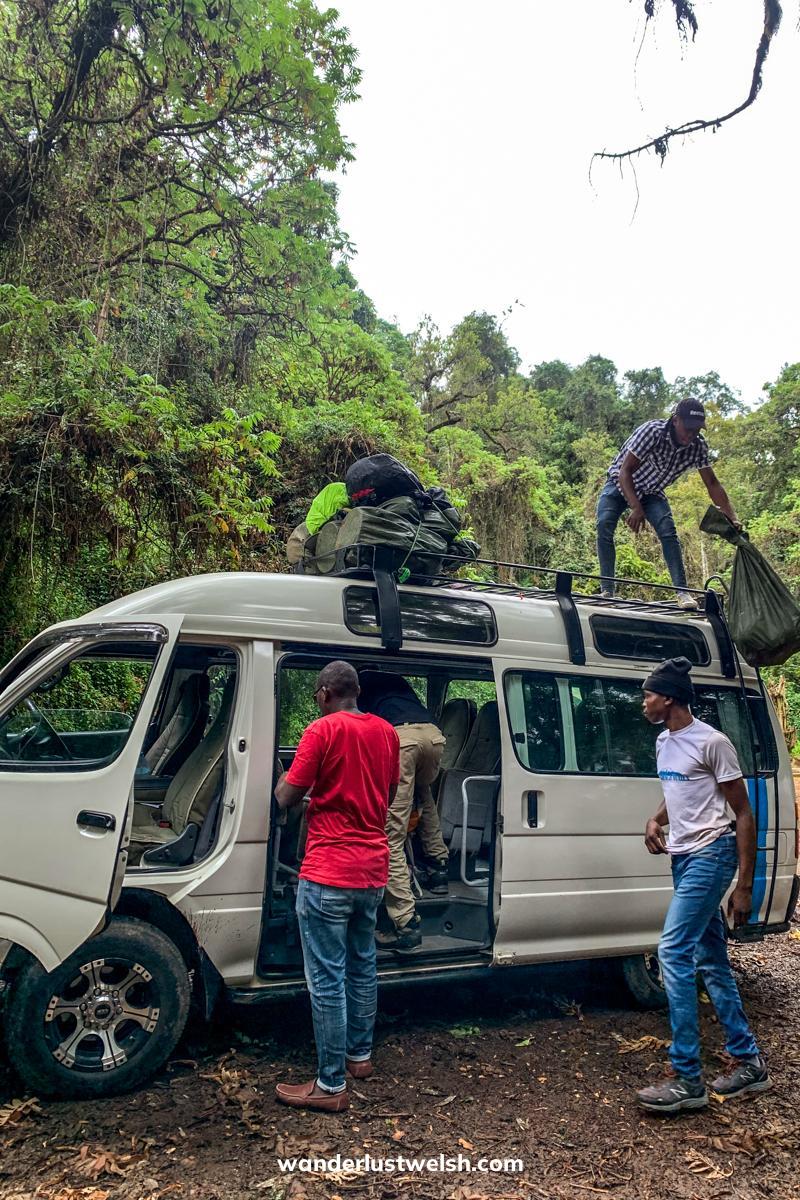
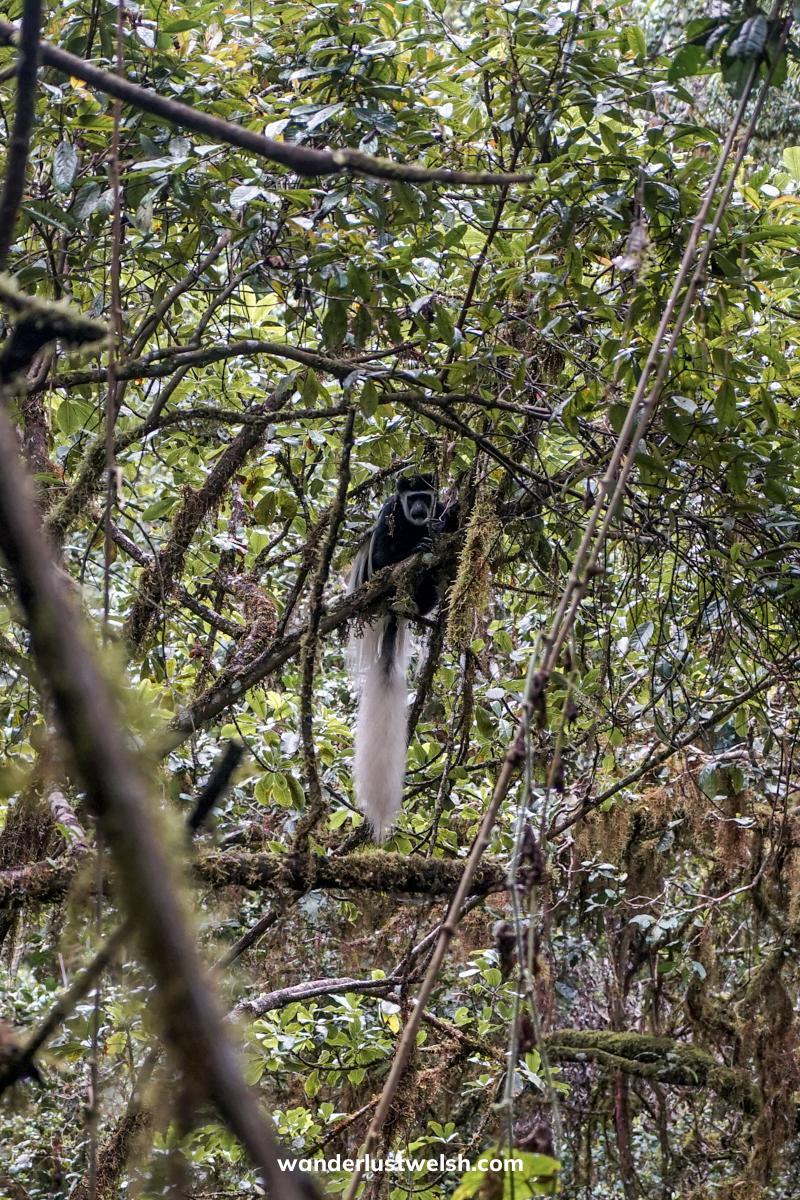
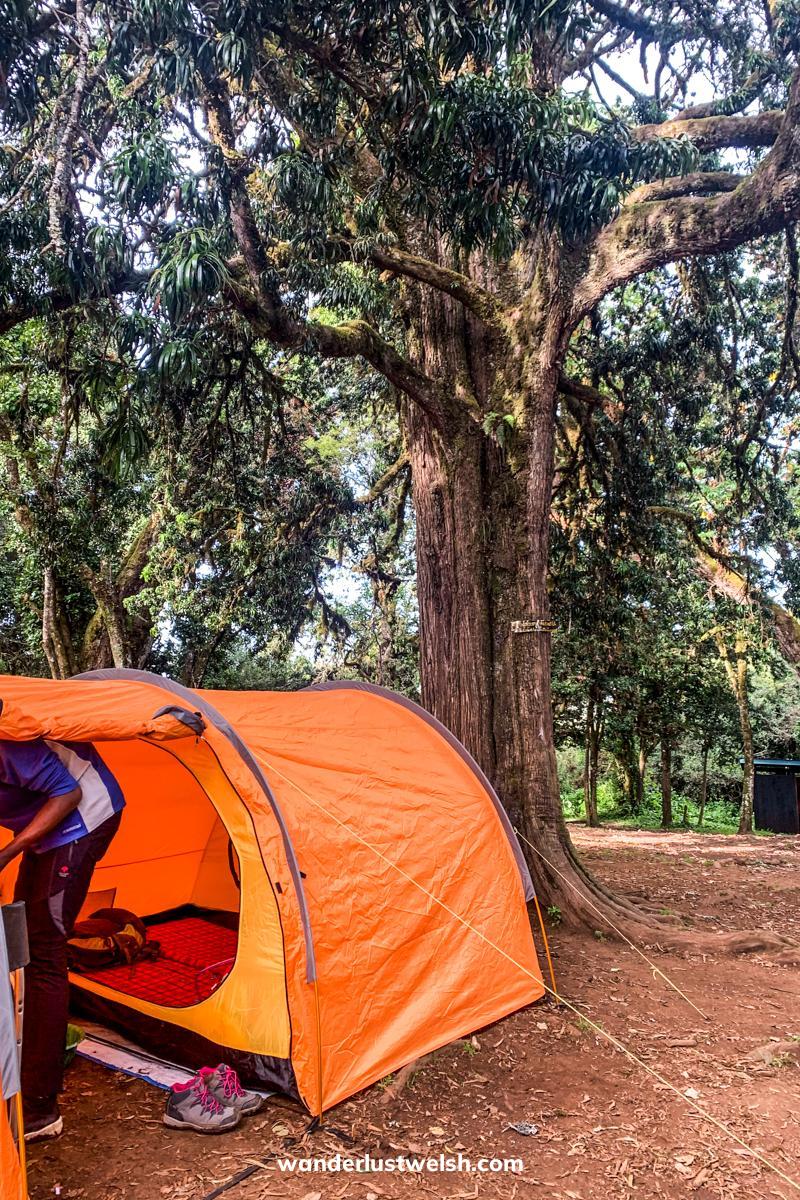
On this day you’ll hike around 3-4 hours. End your day at Mti Mkubwa Camp, also known as Big Tree Camp (2650m). There are many opportunities to stop wildlife on route, we were lucky enough to see colobus monkeys and a chameleon.
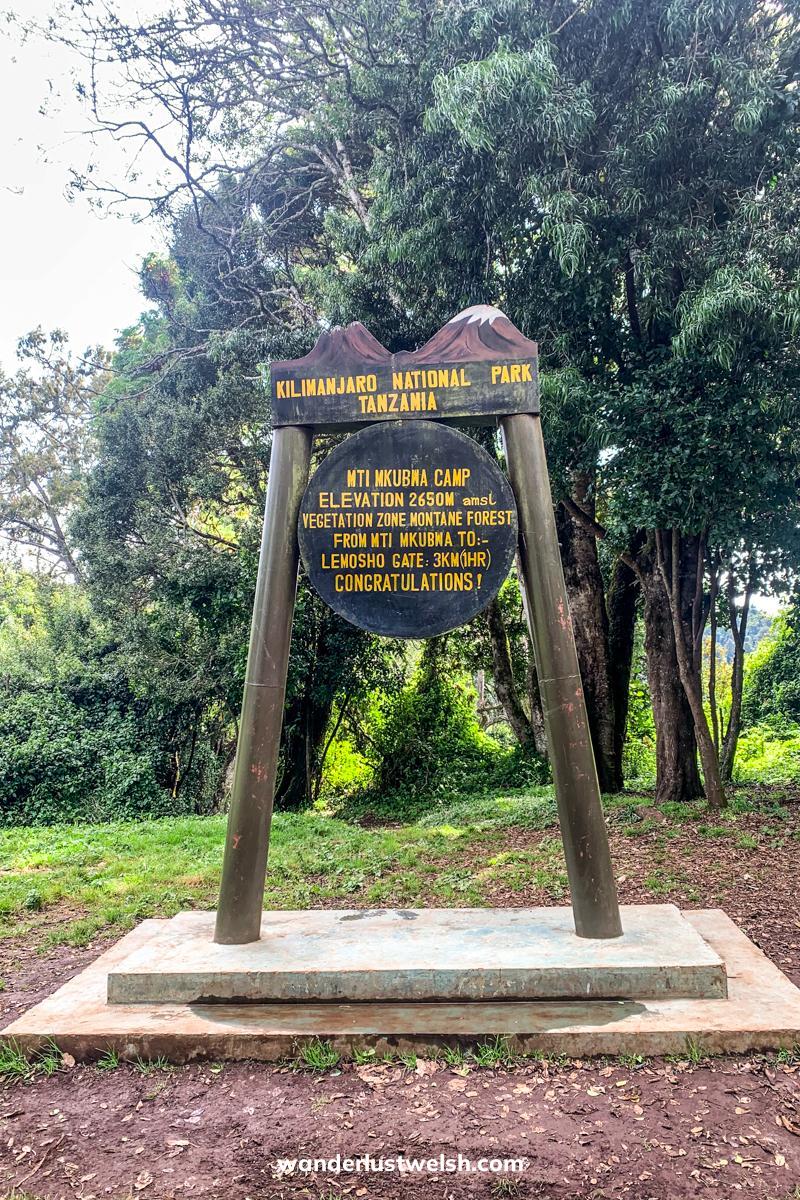
Accommodation: Mti Mkubwa Camp
Trek: 7km – 4 Hours
Altitude Gain: 550m (2,100m to 2,650m)
Day 2 – Mti Mkubwa to Shira 1 Camp
Start your day with breakfast and then begin your hike into moorland. You’ll climb steep ridges and enter the Shira Plateau. The views open dramatically, and you’ll see lots of beautiful wildflowers along the trail. End your day at Shira 1 Camp.
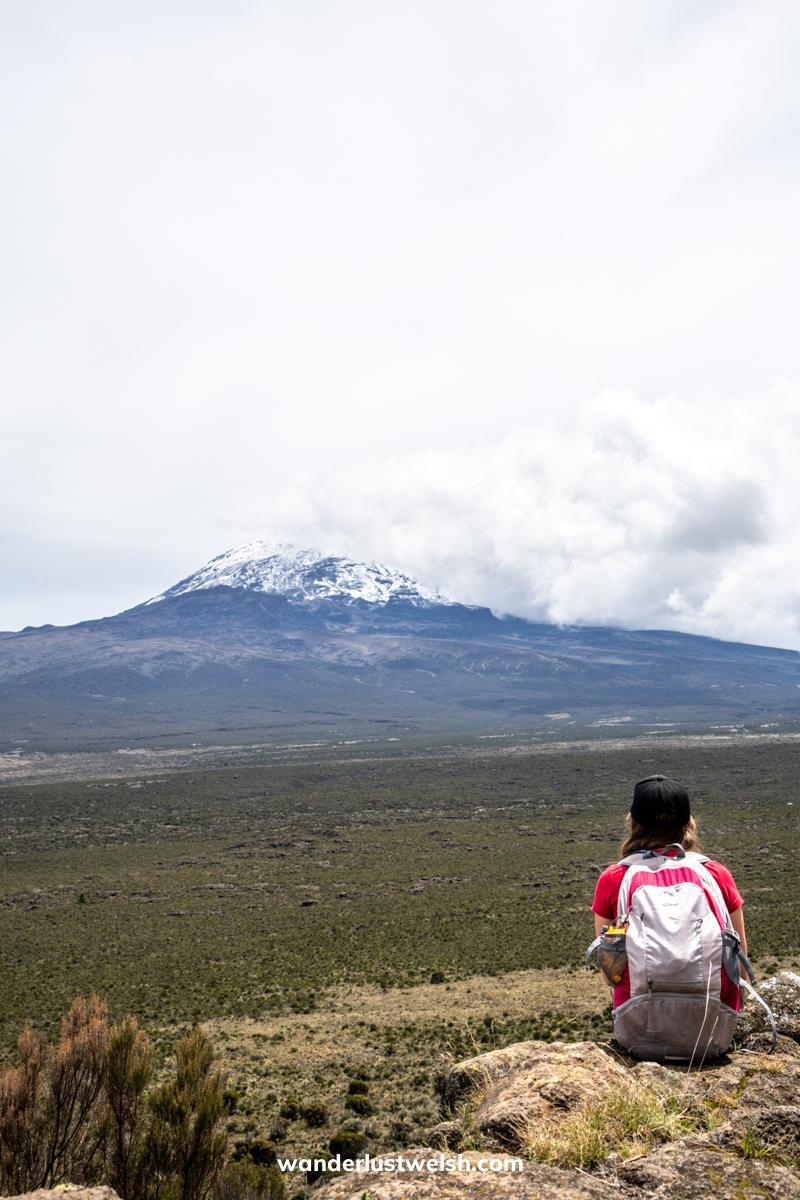
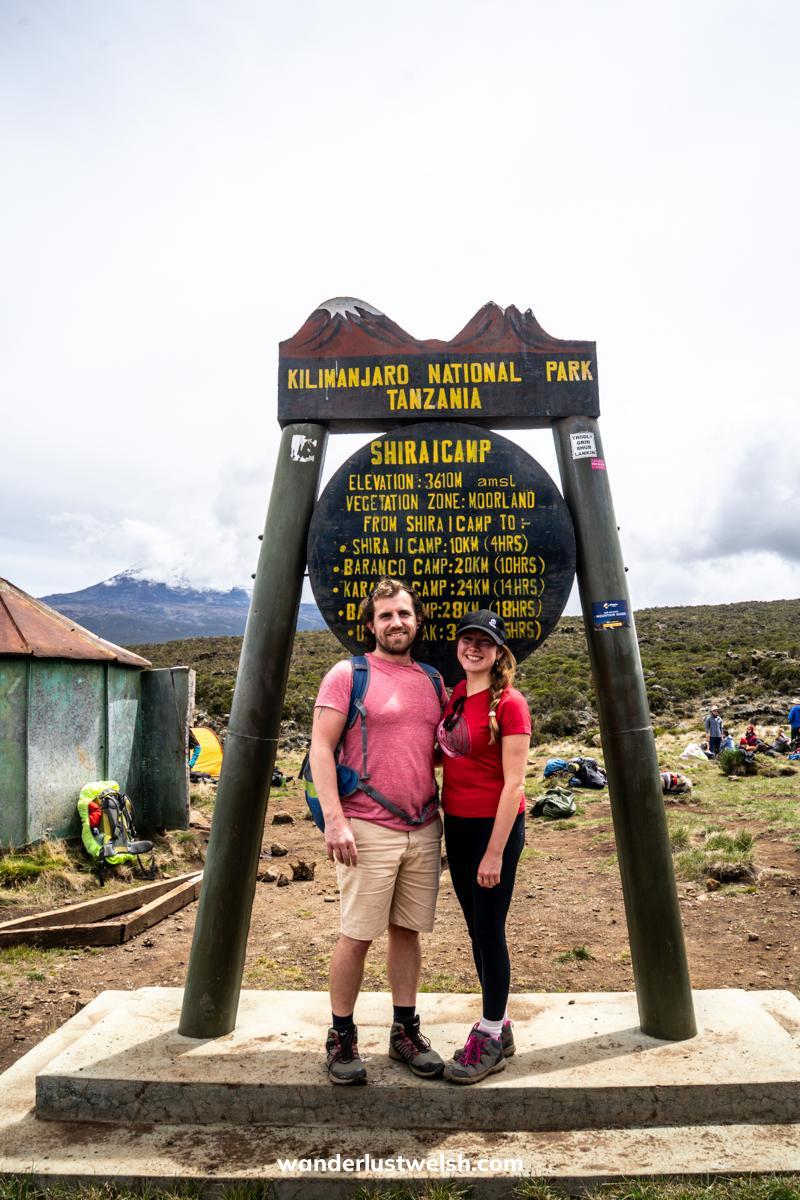
We were feeling strong after reaching Shira 1 Camp, so our small group decided to continue to Shira 2 Camp the same day, combining days 2 and 3 into one. This gave us a spare day later in the trek in case we needed extra rest or acclimatisation. If you’re trekking with a larger group, this kind of flexibility may not be possible.
Accommodation: Shira 1 Camp
Trek: 8km – 6 Hours
Altitude Gain: 960m (2,650m to 3,610m)
Day 3 – Shira 1 to Shira 2 Camp
A shorter day for acclimatisation. You will explore the vast Shira Plateau and enjoy sweeping mountain views.
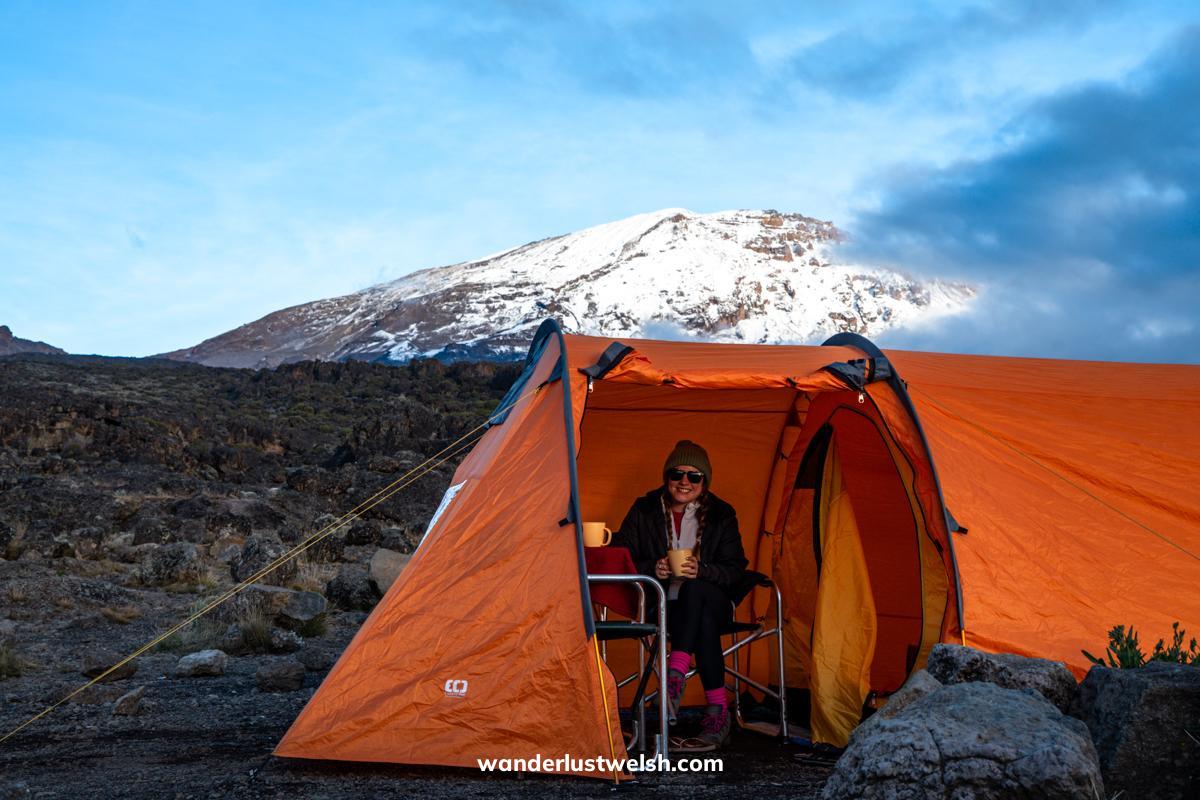
Accommodation: Shira 2 Camp
Trek: 7km – 4 Hours
Altitude Gain: 240m (3,610m to 3,850m)
Day 4 – Shira 2 to Barranco Camp via Lava Tower
You’ll climb high to Lava Tower (4,600m), where you’ll have lunch. This is great for acclimatisation.
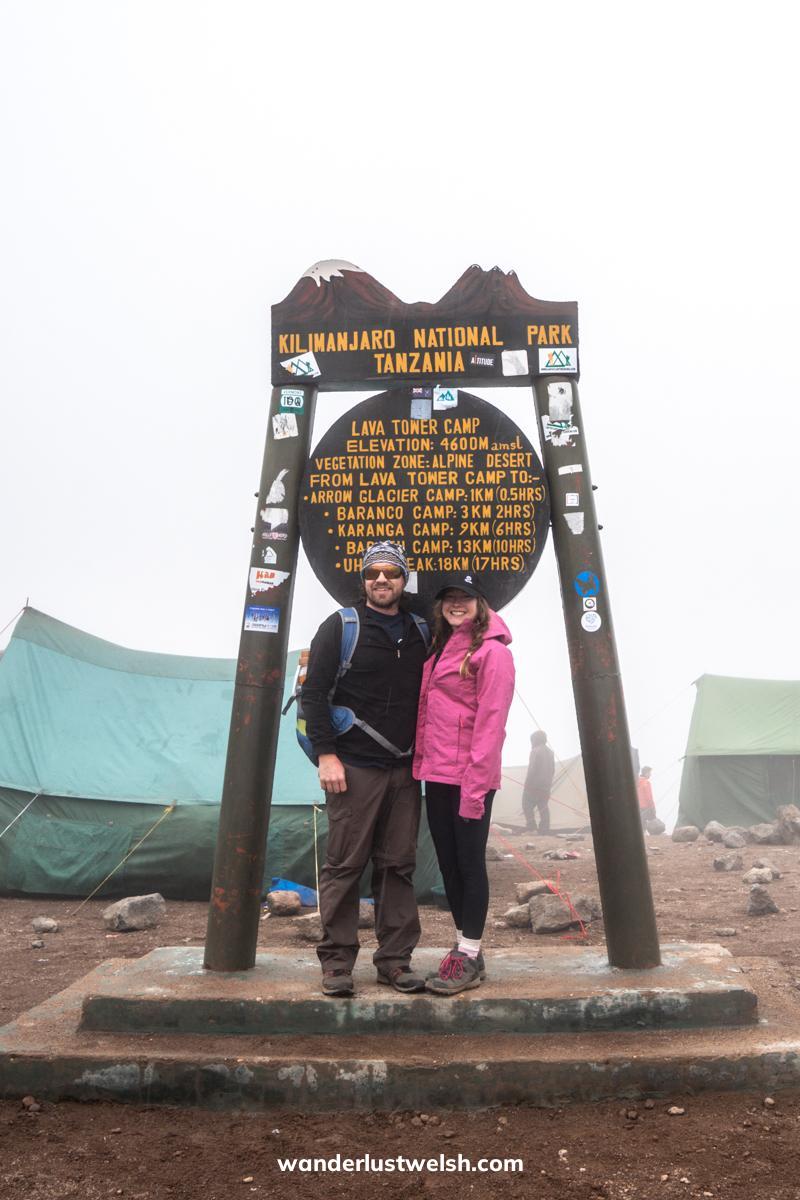
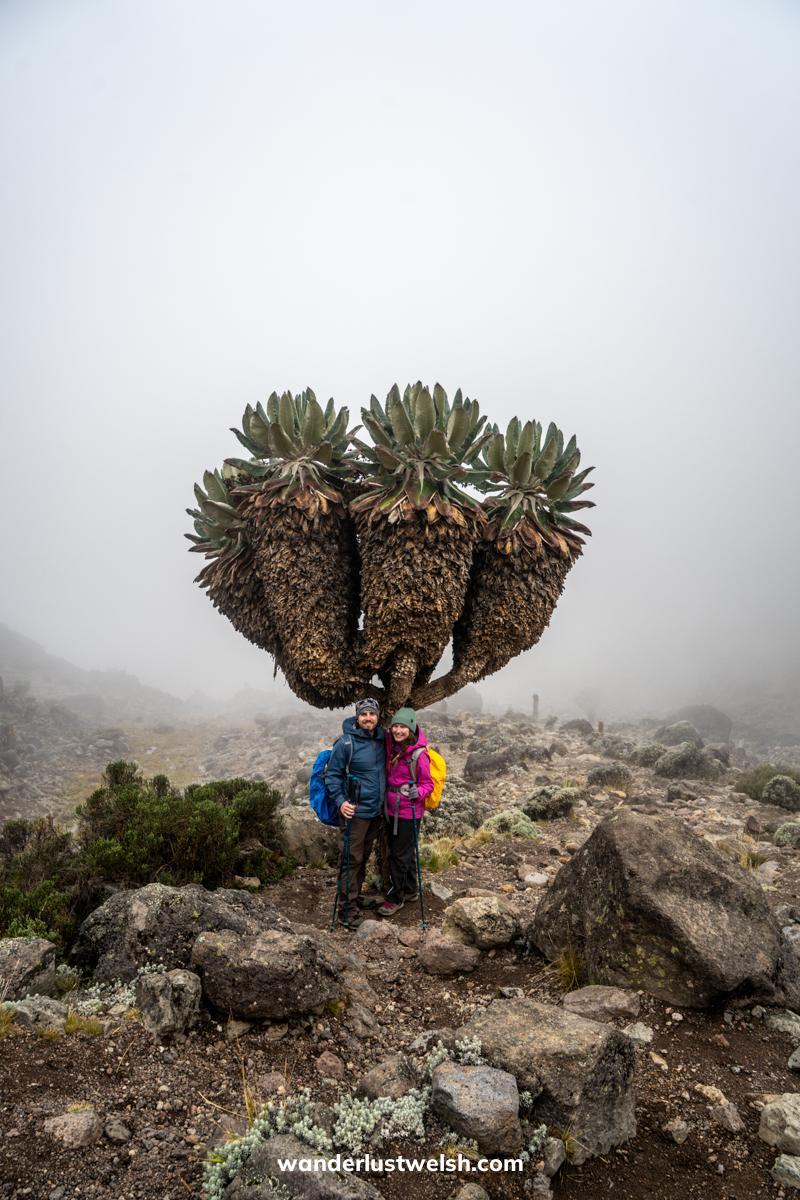
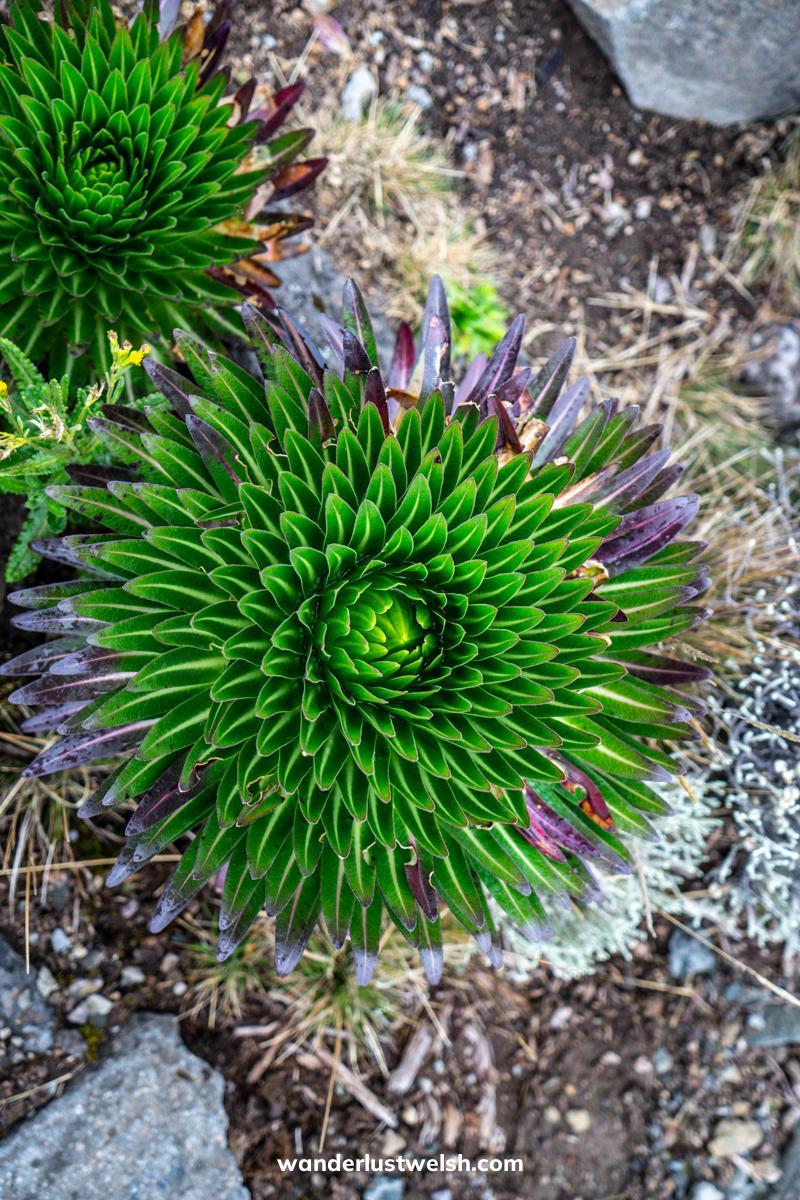
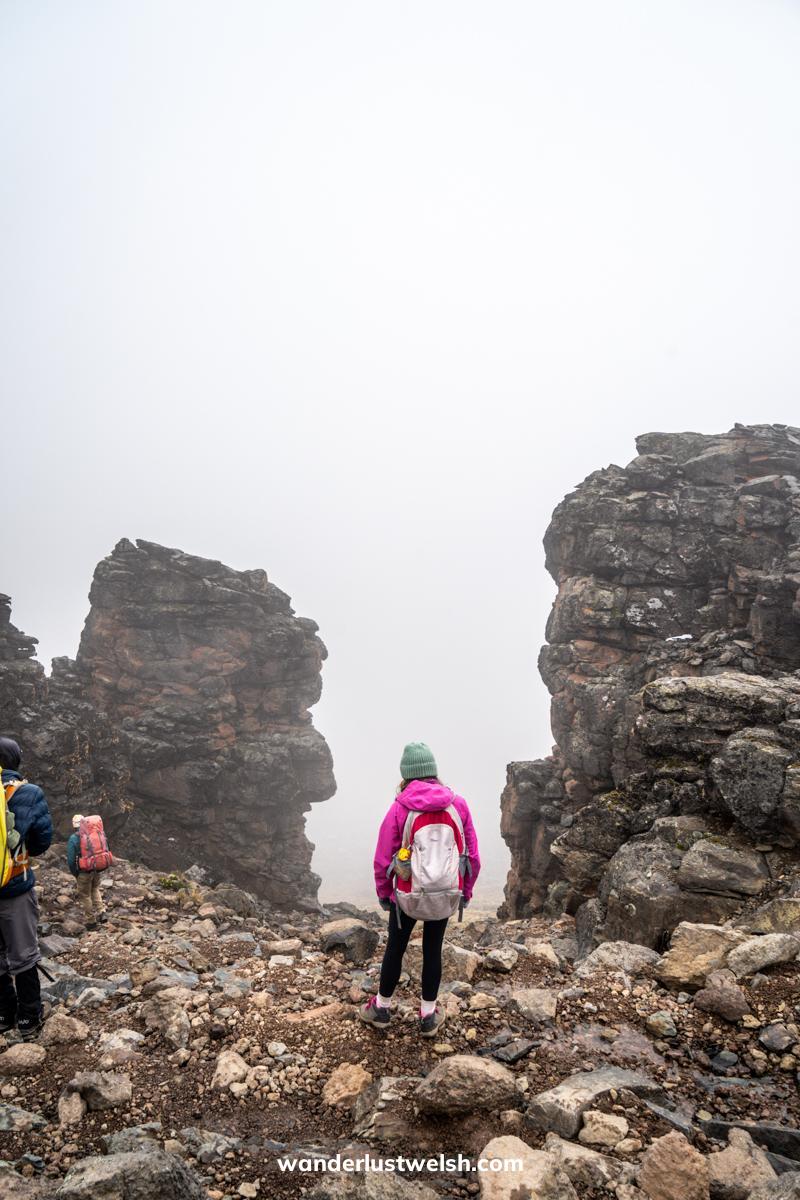
After spending a few hours there you’ll then descend to sleep at Barranco (3,900m). Look out for Dendrosenecio kilimanjari on the way to Barranco Camp. These trees are only found on the slopes of Mount Kilimanjaro.
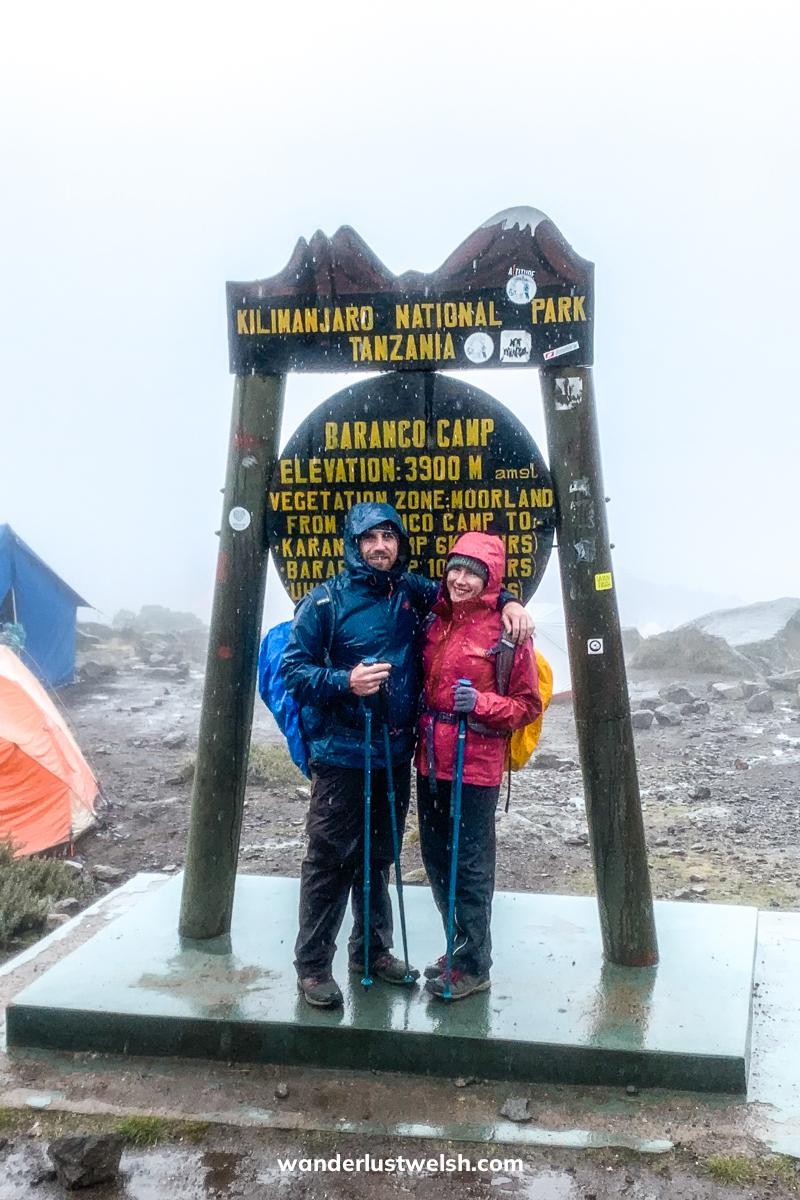
Accommodation: Barranco Camp
Trek: 10km – 7 Hours
Altitude Gain: 750m up, 700m down
Day 5 – Barranco to Karanga Camp
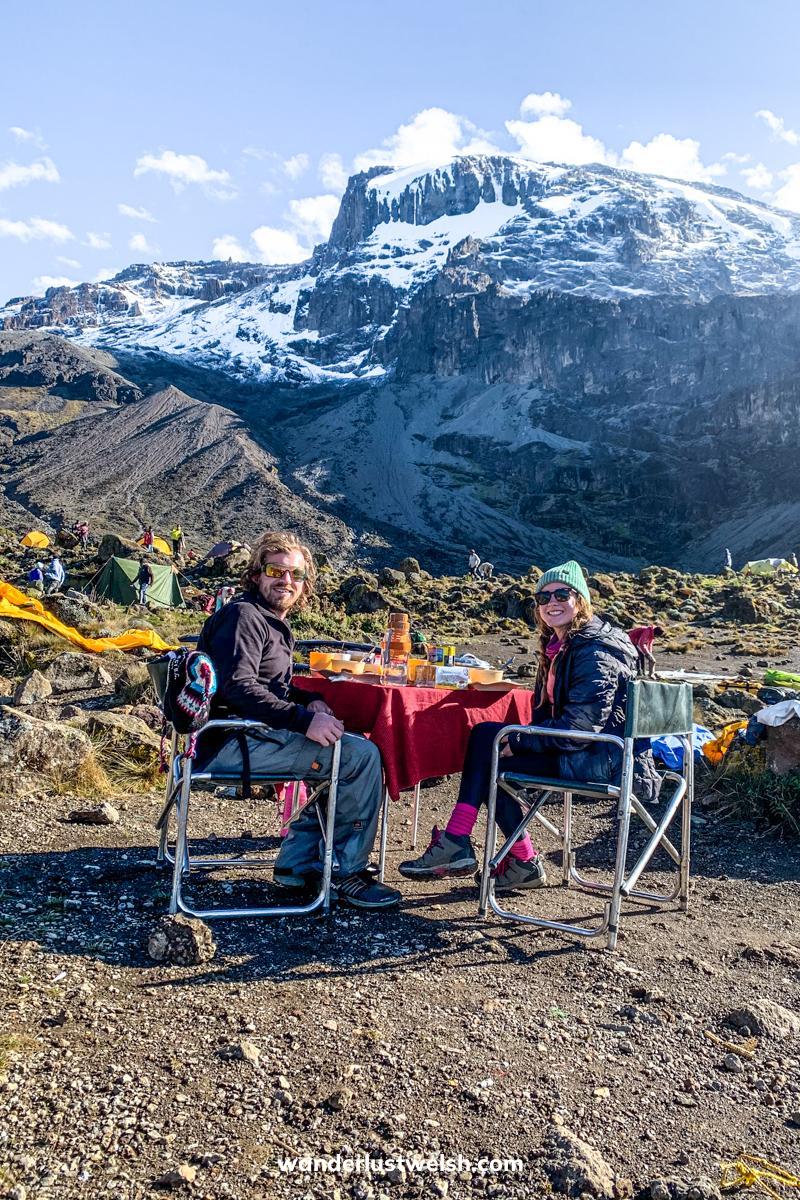
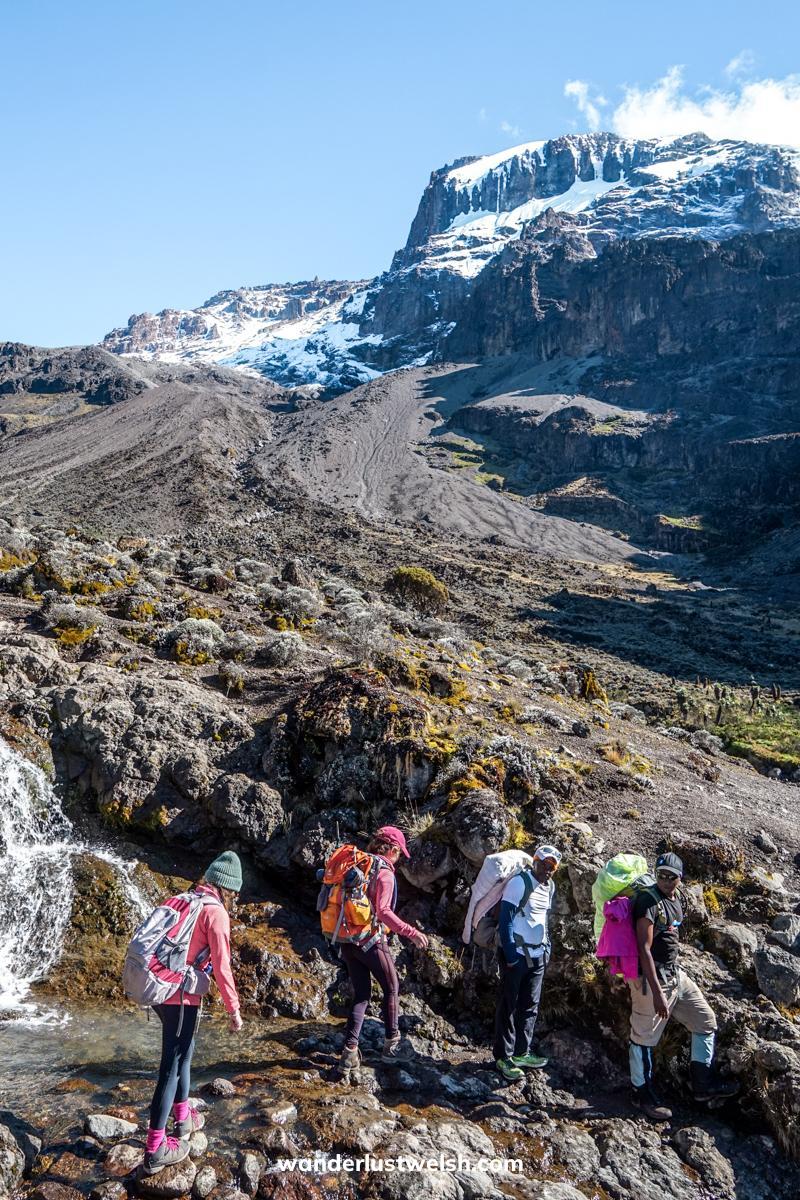
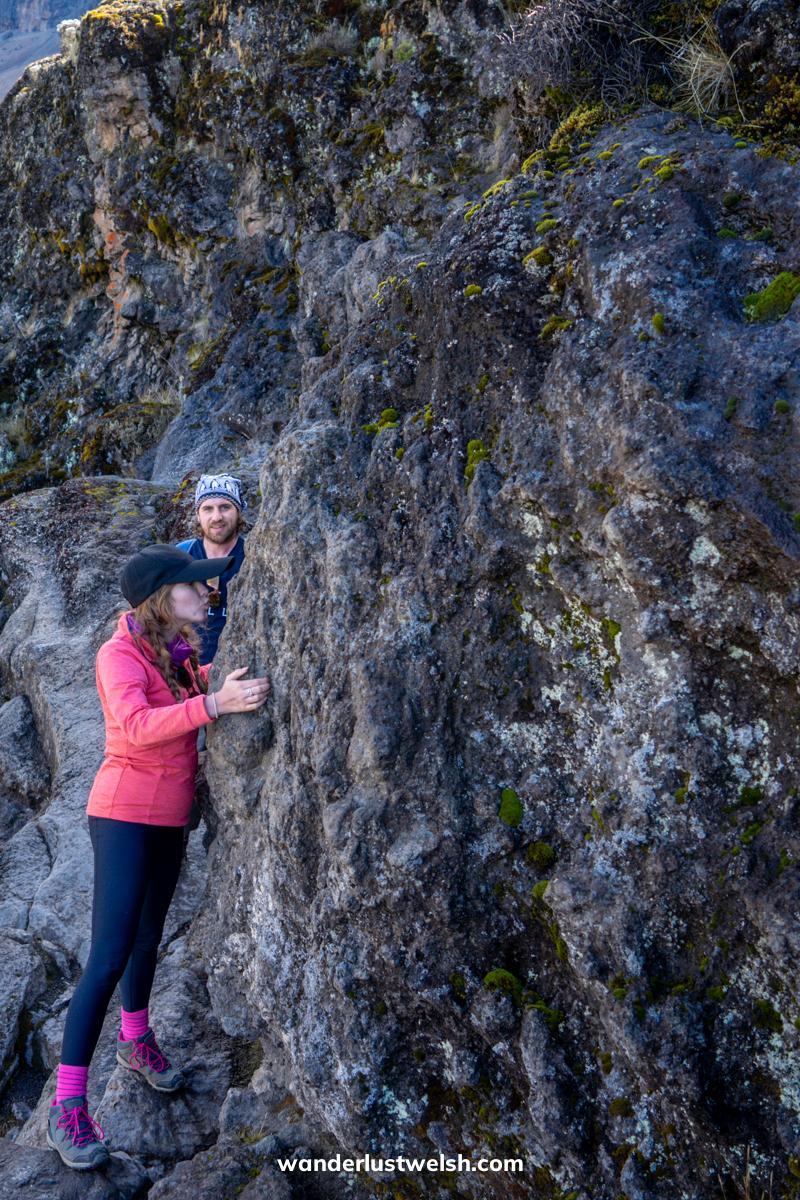
This was my favourite morning, the weather was perfect, so we ate breakfast outside with a view of the incredible mountains. At the start of your trek, you’ll climb up the Great Barranco Wall, make sure to have a photo kissing the famous ‘kissing rock’. Reach Karanga Camp after around 4 hours of trekking. This was the worst day of altitude sickness for us both.
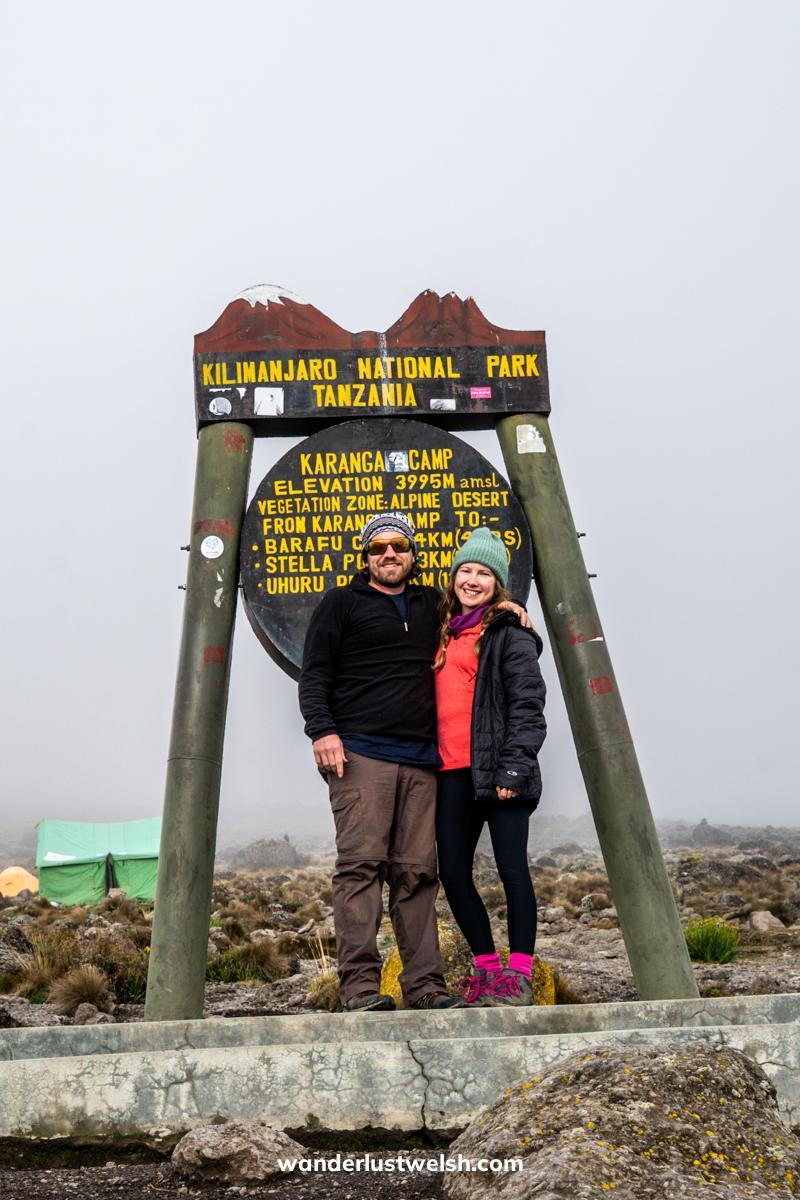
Accommodation: Karanga Camp
Trek: 5km – 4 Hours
Altitude Gain: 95m (3,900m to 3995m)
Day 6 – Karanga to Barafu Camp
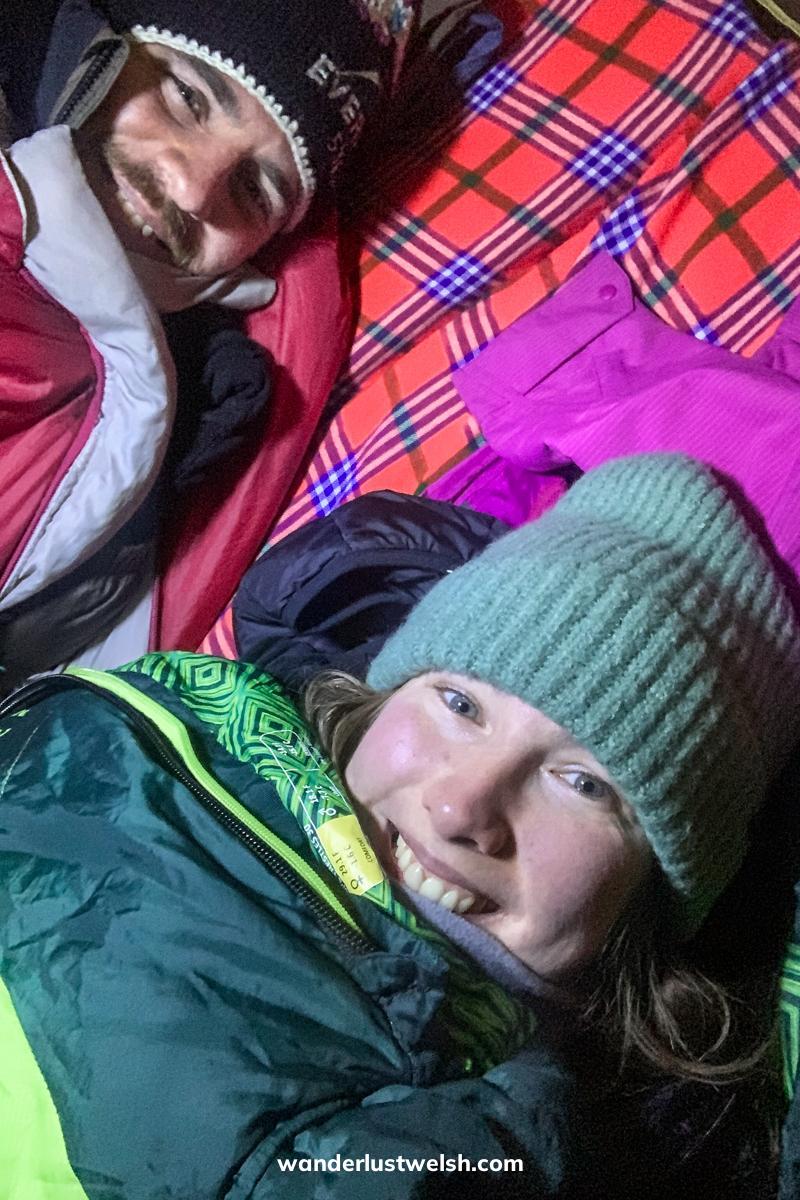
Start your day with breakfast at Karanga Camp before continuing along a trail that becomes increasingly alpine desert in landscape. You’ll arrive at Barafu Camp early to rest, as summit day begins just before midnight. Trying to fall asleep around 6pm while it’s still light outside can be challenging, but it’s important to get as much rest as possible.
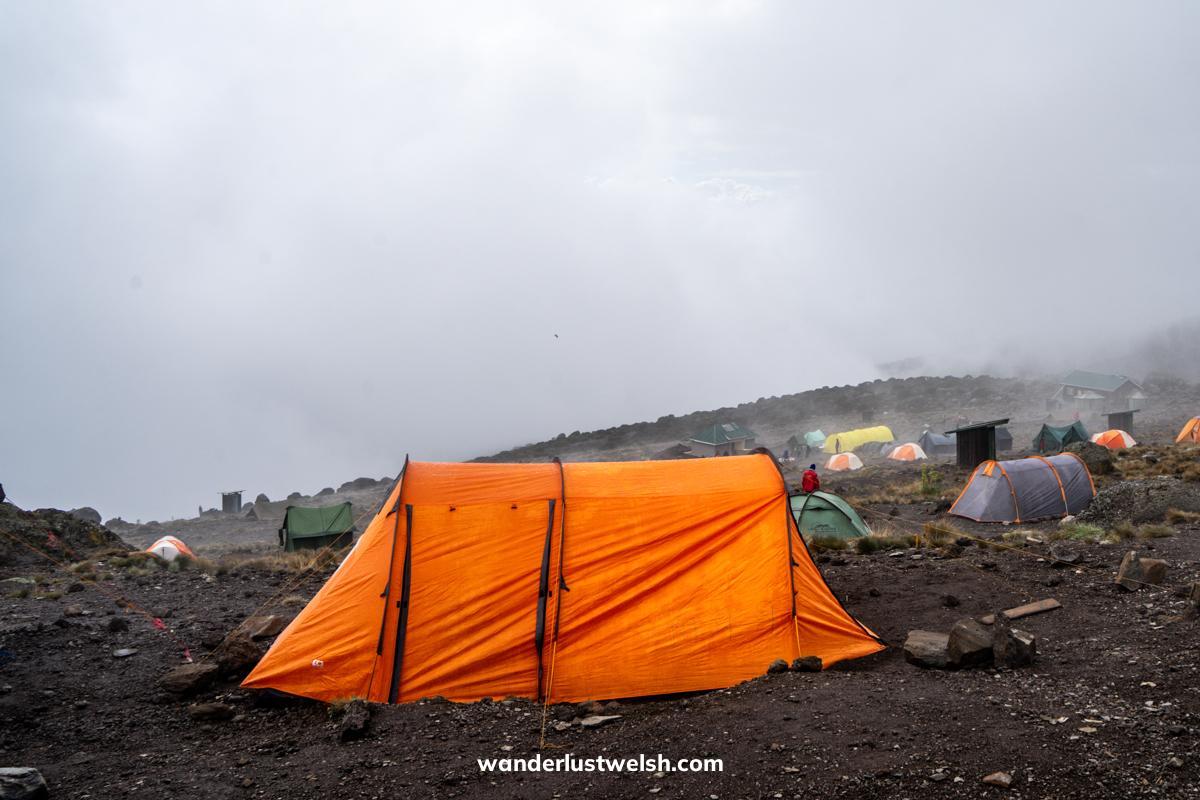
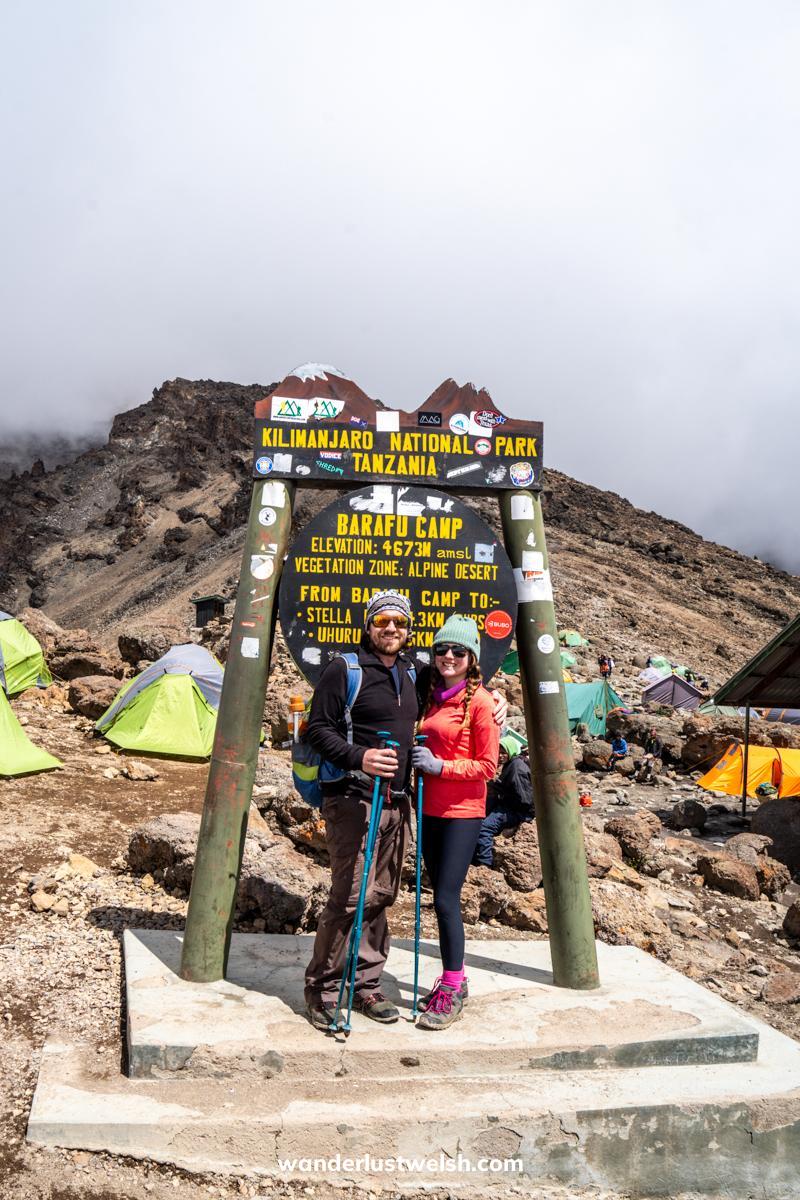
Accommodation: Barafu Camp
Trek: 4km – 4 Hours
Altitude Gain: 678m (3995m to 4,673m)
Day 7 – Barafu to Uhuru Peak to Mweka Camp
Summit day is the most demanding and emotional part of the entire Kilimanjaro trek. You’ll be woken up around 11:30PM to have a hot drink and a light snack before setting off into the cold night. Dressed in layers and headlamps switched on, you’ll begin the slow, steady climb toward the summit under a sky full of stars.
The route from Barafu Camp to Uhuru Peak is steep and mostly zigzags up loose volcanic scree. It’s cold, dark, and quiet, except for the sound of footsteps and the occasional encouragement from your guides. We found this section to be the toughest—both physically and mentally.
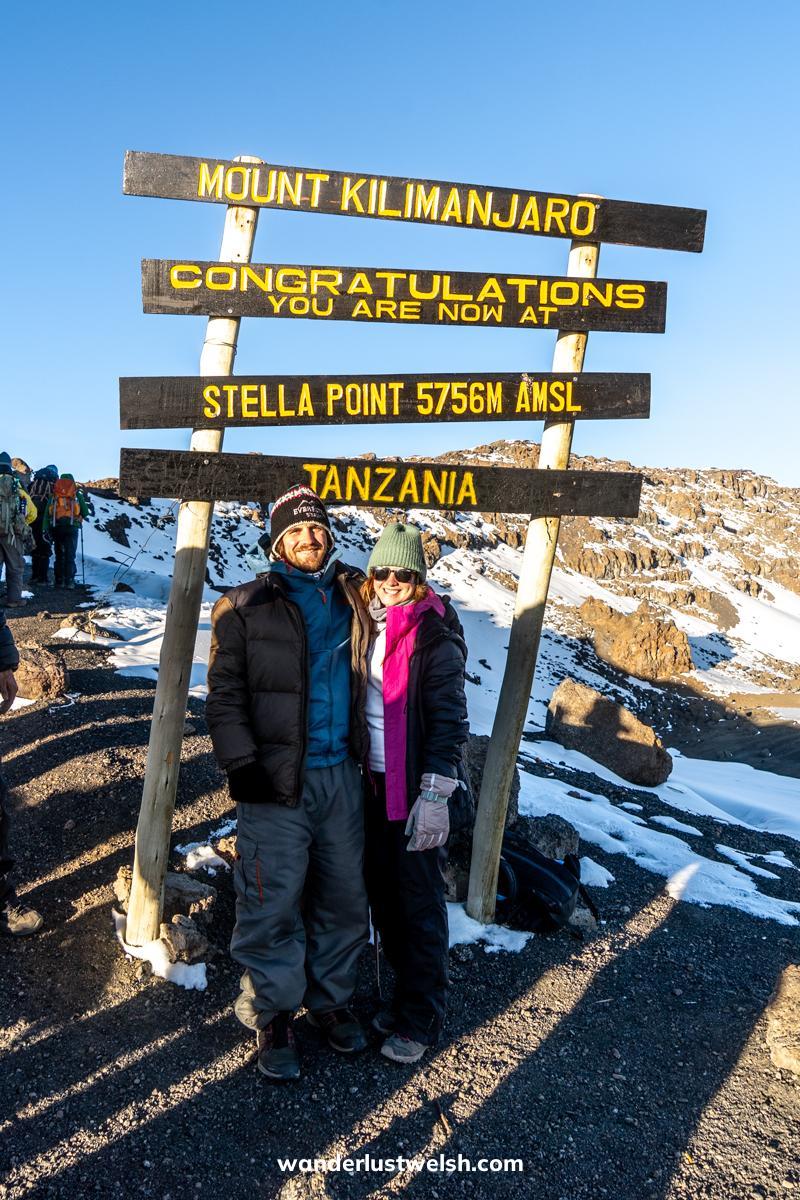
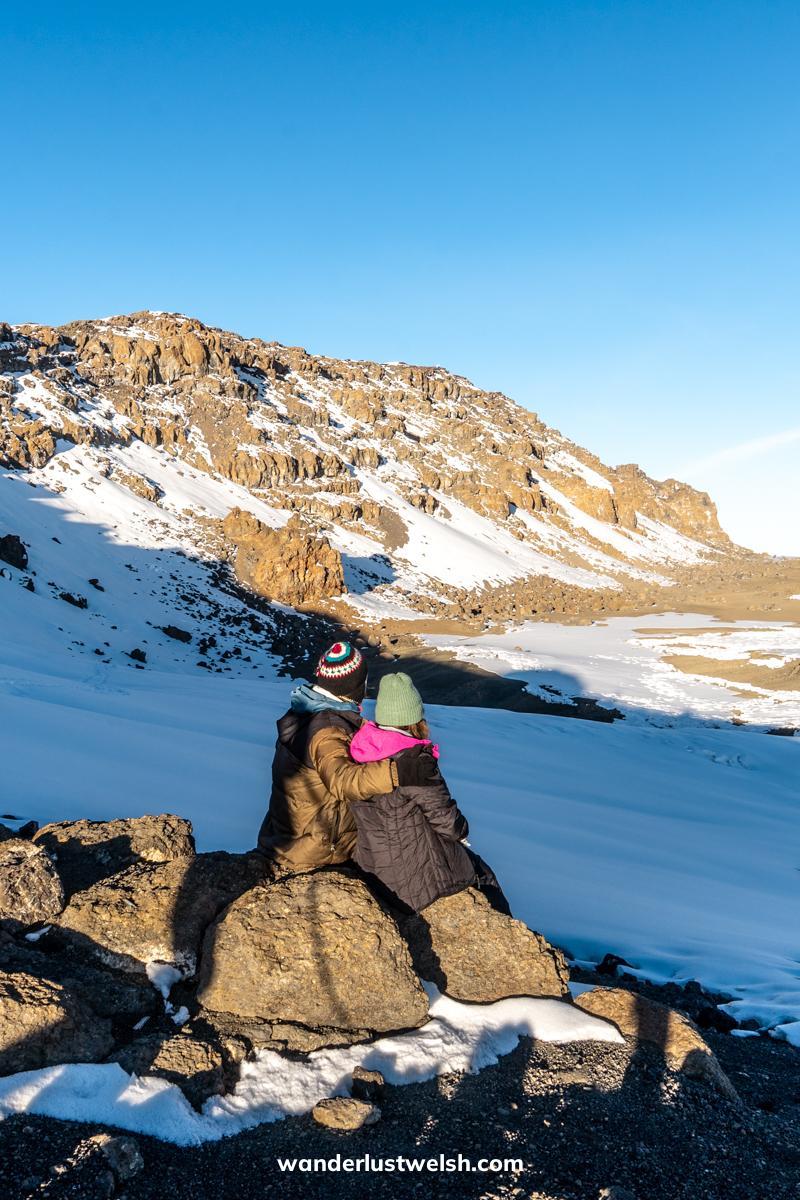
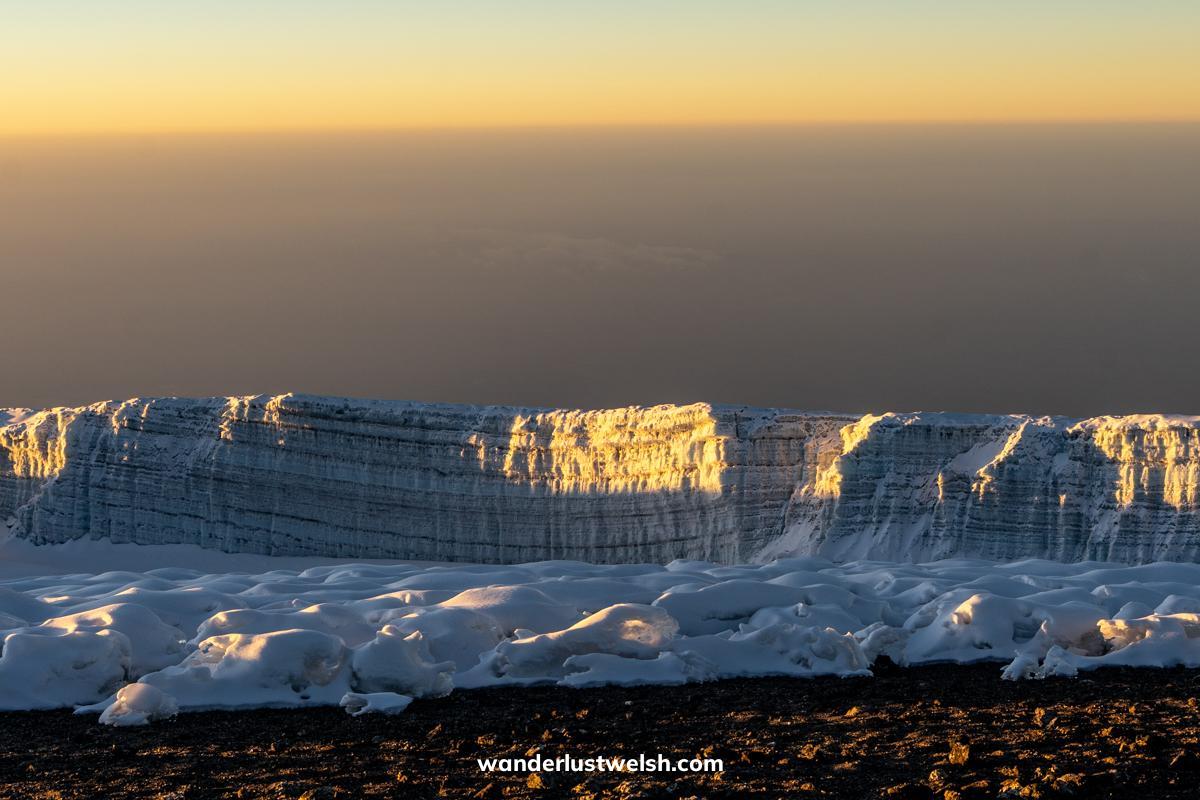
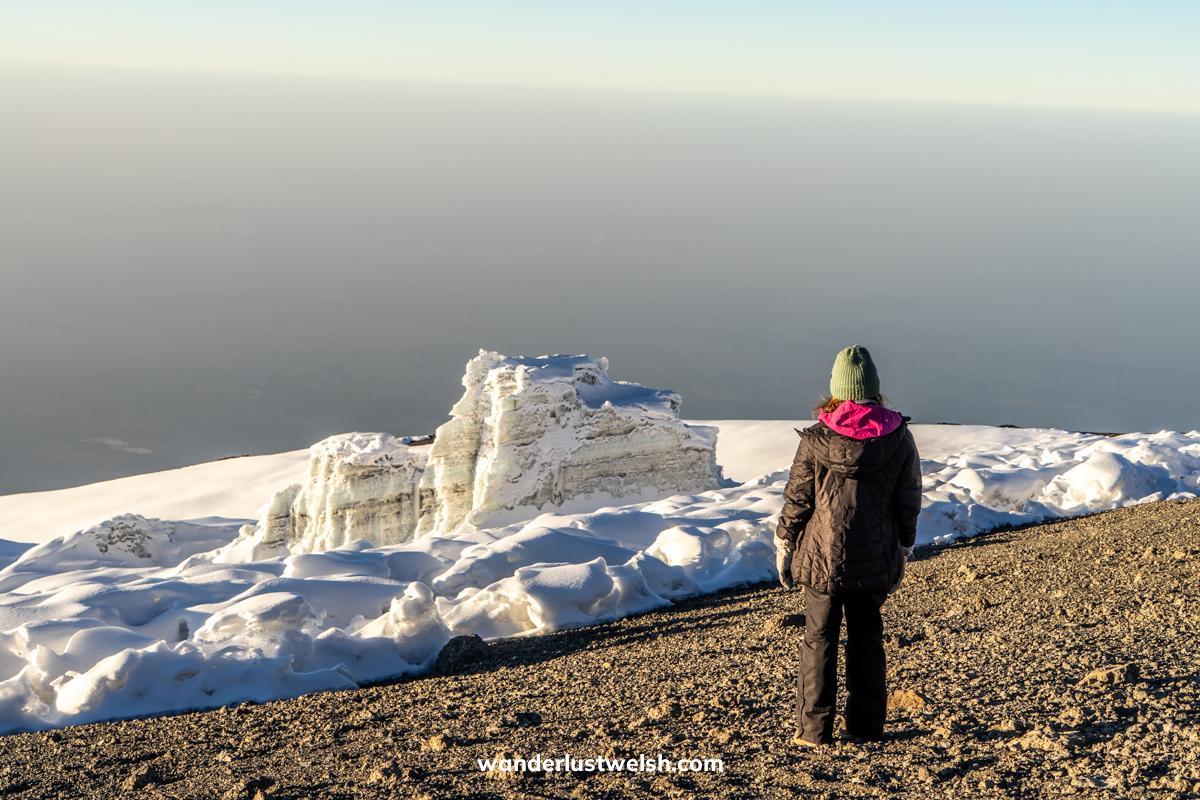
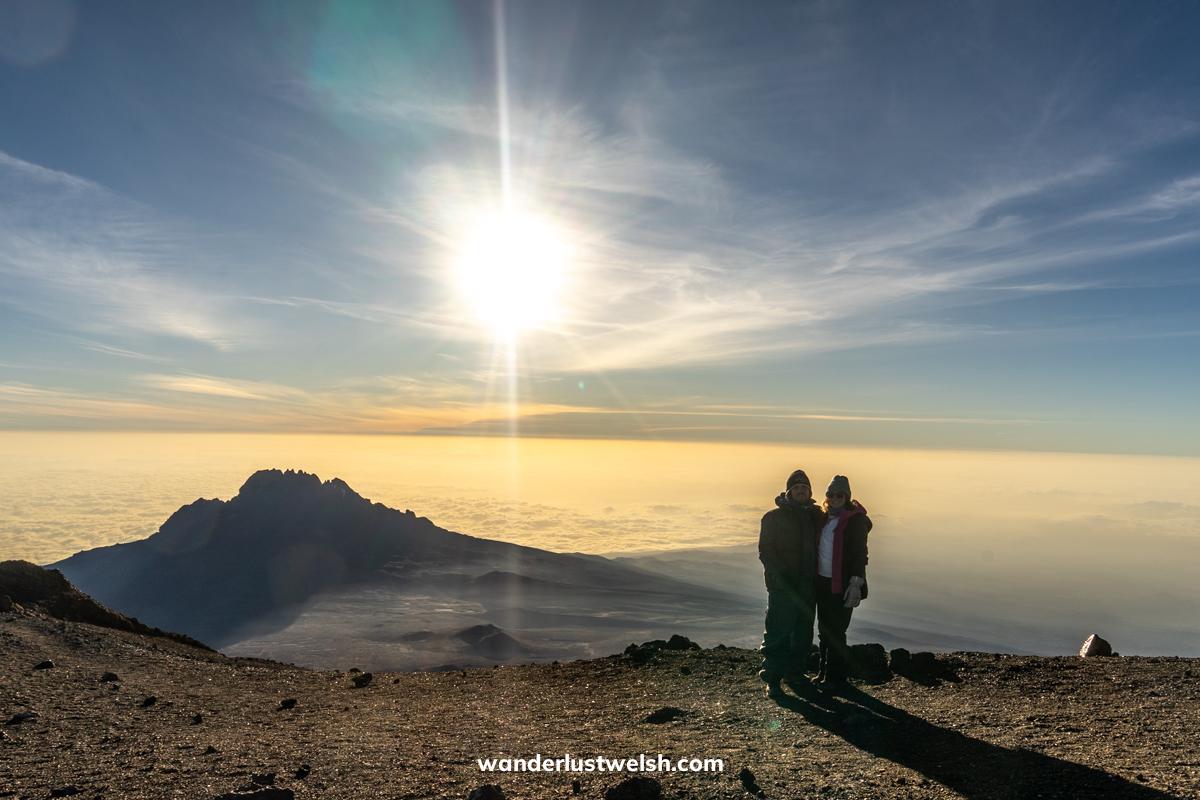
After 6–7 hours, you’ll reach Stella Point (5,739m), just as the sun begins to rise over the horizon. This moment is unforgettable—the golden light hits the glacier, and you’ll finally see the summit just ahead.
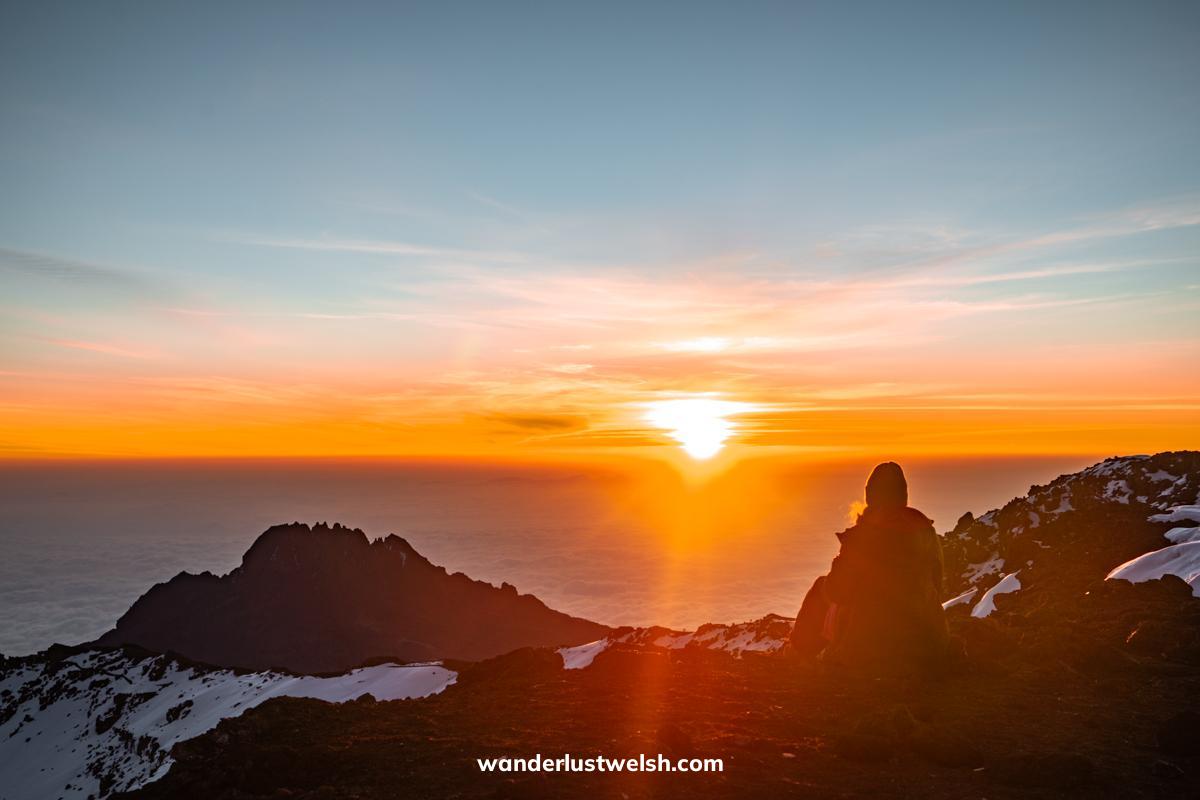
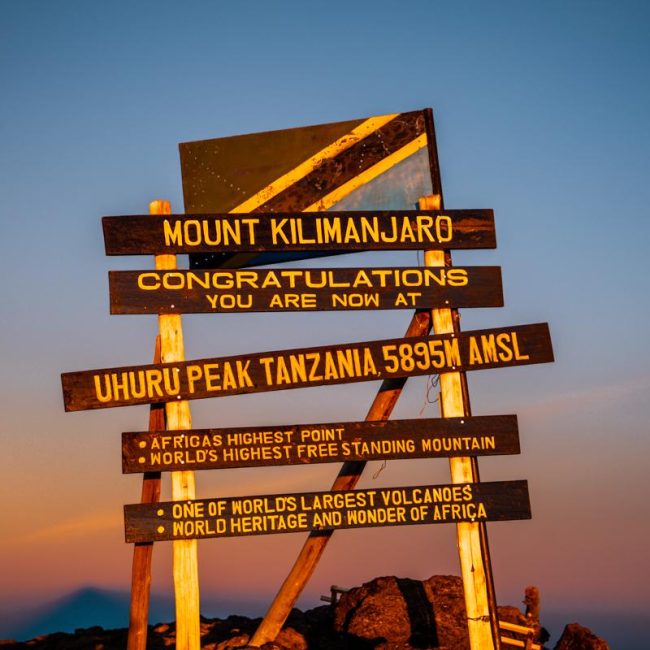
From Stella Point, it’s another 45–60 minutes of gentler walking along the crater rim to reach Uhuru Peak, the highest point in Africa. It’s hard to put into words what this moment feels like. We felt relief, pride, exhaustion and happiness. You’ll have a few minutes for photos at the famous wooden sign before the cold and thin air start to bite.
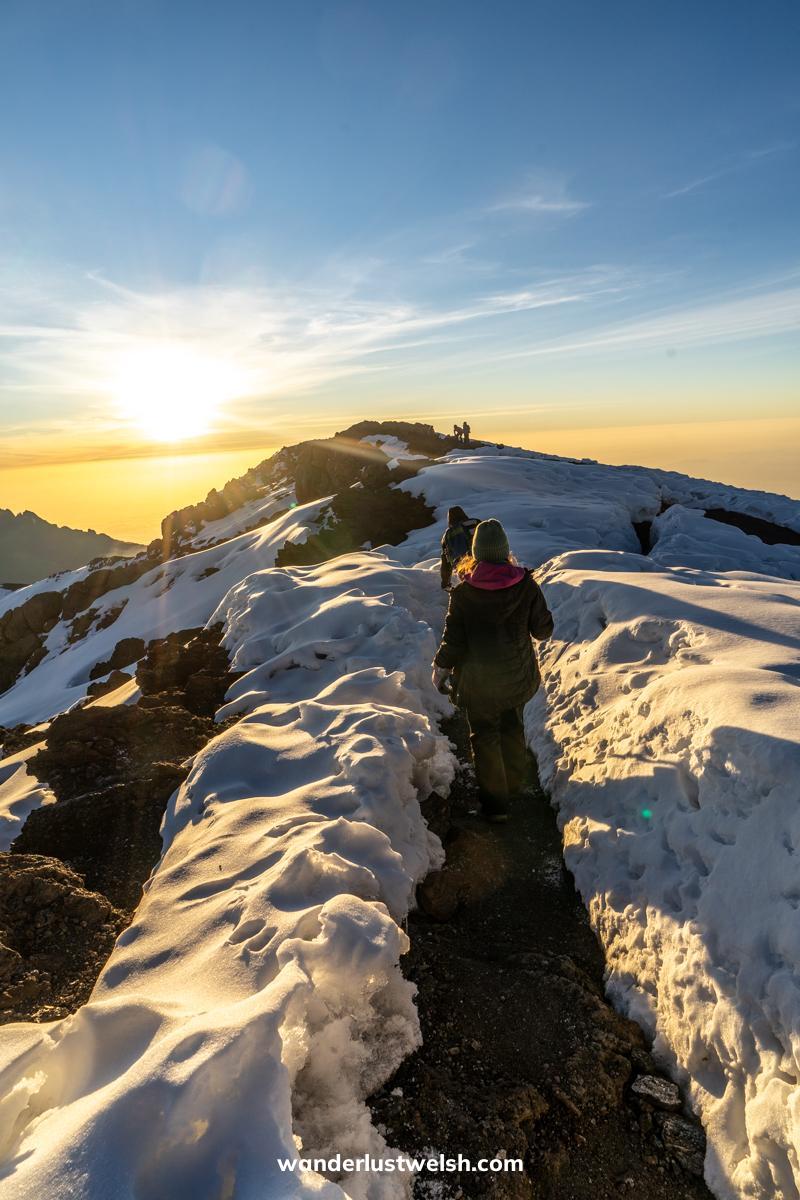
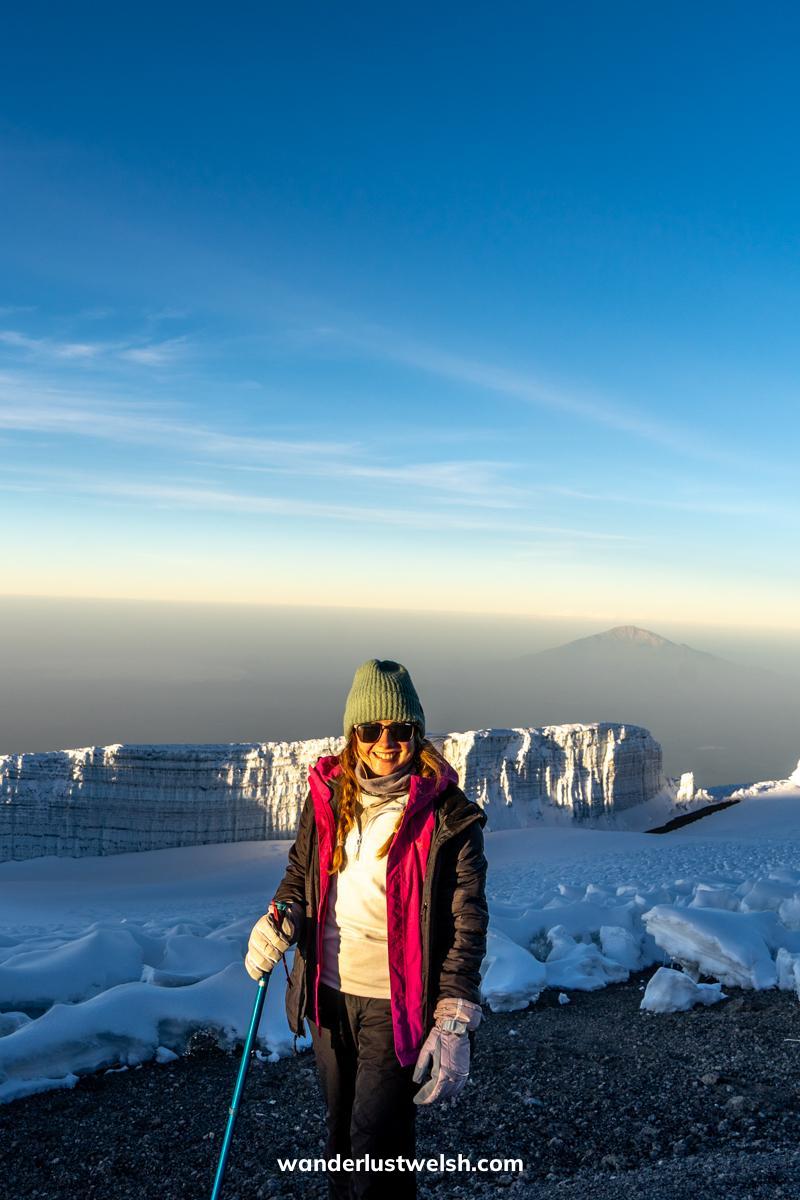
The descent begins almost immediately after. You’ll return to Barafu Camp for a short rest and a hot meal, then continue down to Mweka Camp for the night. The long descent is tough on the knees, and the trail can be dusty and slippery, but the drop in altitude will help your body feel much better.
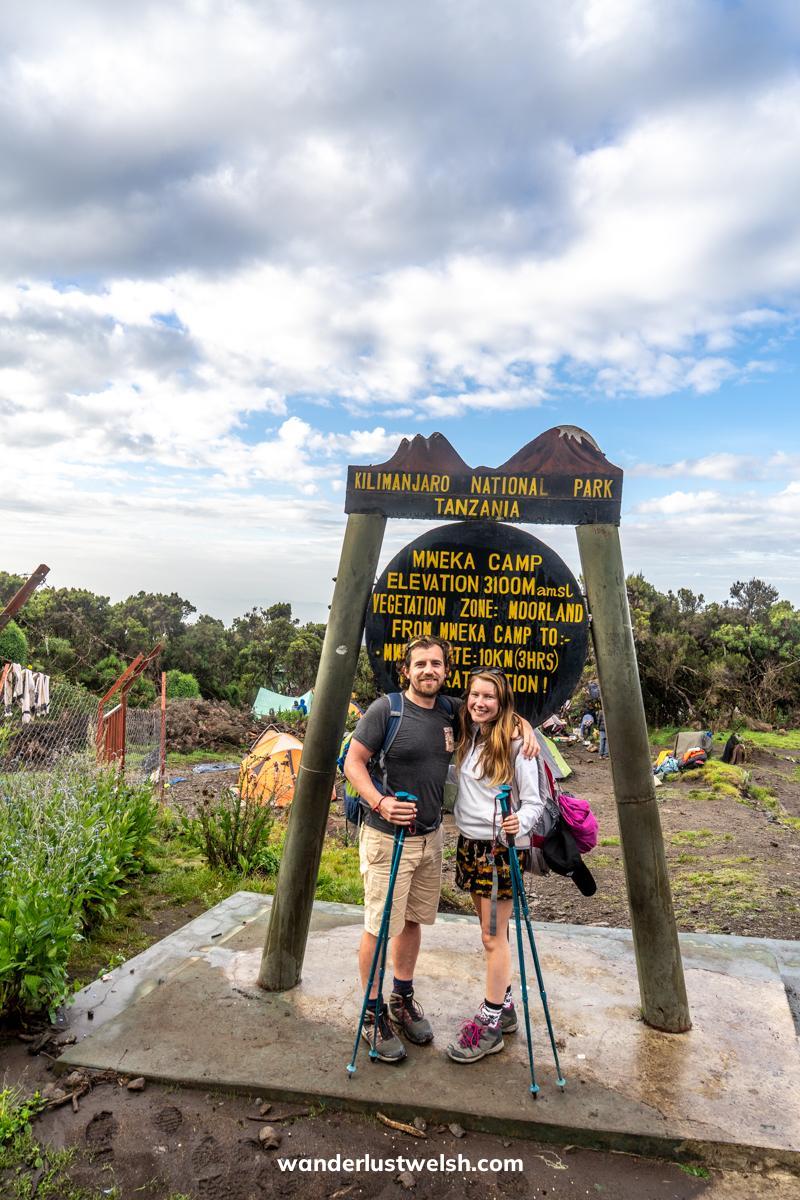
Accommodation: Mweka Camp
Trek: 17km – 12–14 Hours
Altitude Gain: 1,222m up, 2,795m down (4,673m to 5,895m, then down to 3,100m)
Day 8 – Mweka Camp to Mweka Gate
The final descent is through lush rainforest. Look out for blue monkeys. You’ll sign out at the gate, receive your summit certificate, celebrate with your tour group and transfer back to Moshi or Arusha.
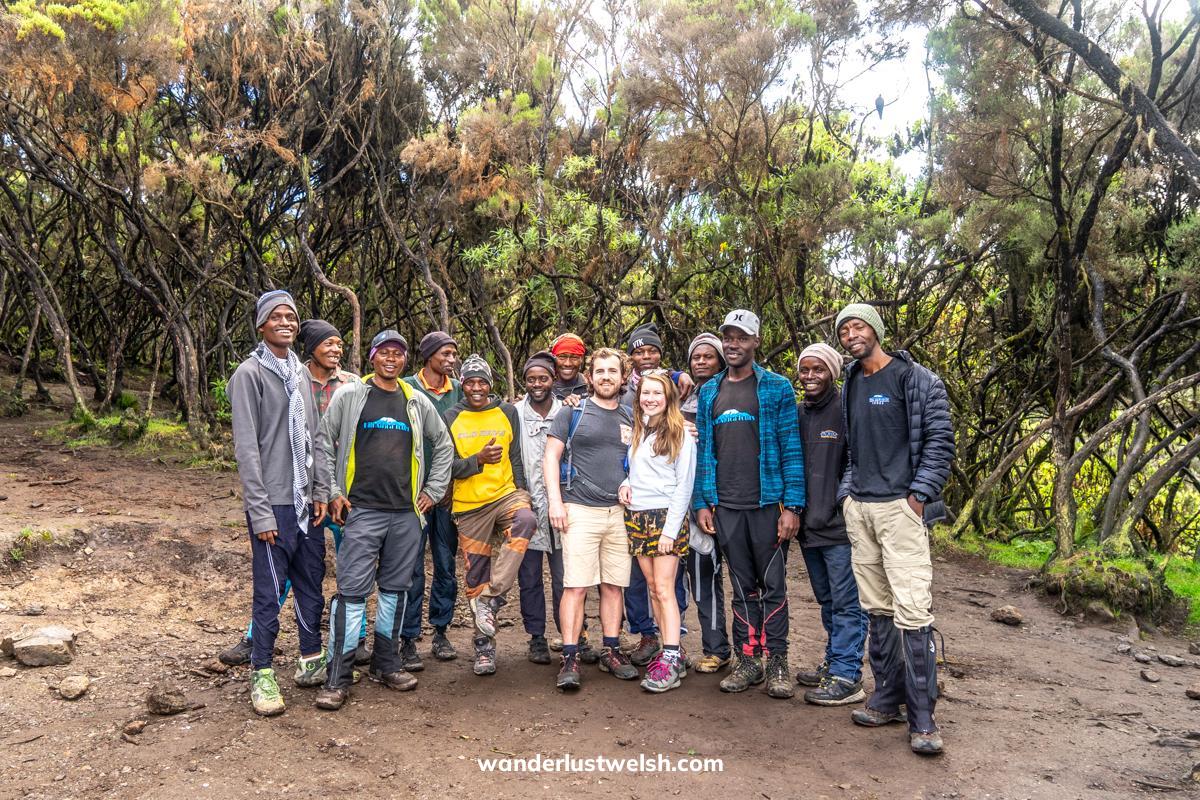
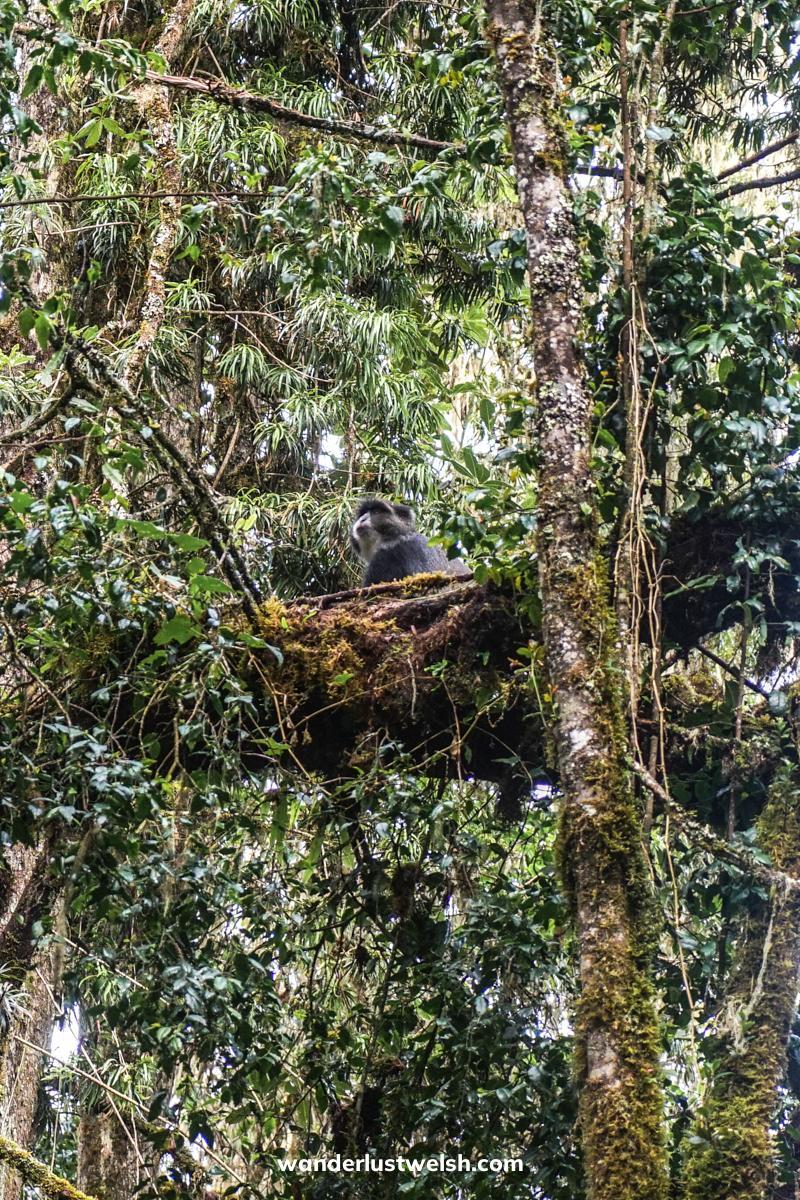
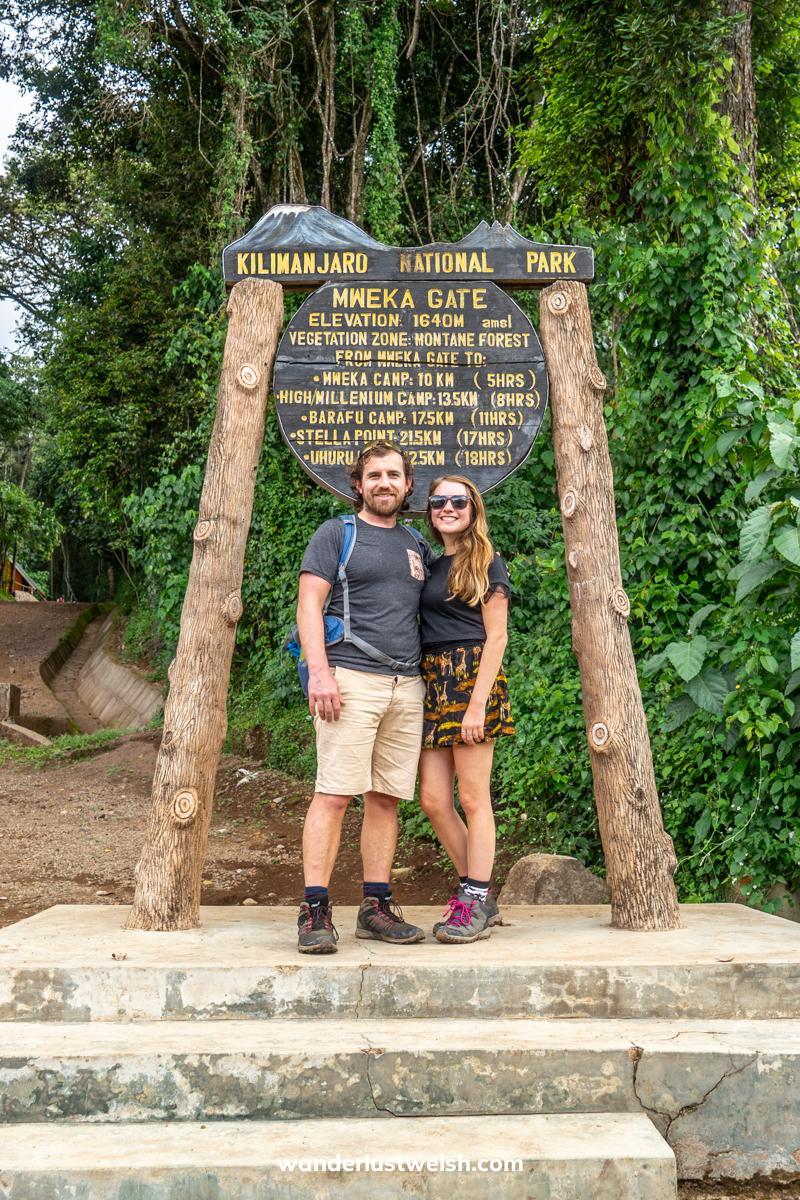
Accommodation: Hotel in Moshi
Trek: 10km – 3–4 Hours
Altitude Loss: 1,460m (3,100m to 1,640m)
What to Pack for Climbing Mount Kilimanjaro
You need a full range of clothing for hot days, cold nights, and everything in between. Essentials include:
- Waterproof jacket and pants
- Thermal base layers
- Fleece and down jacket
- Warm gloves and hat
- Hiking boots – make sure these are broken in
- Trekking poles
- Headlamp
- 4-season sleeping bag
- Daypack and duffel bag
- Water bottles or hydration bladder
- Snacks and electrolytes
- Altitude sickness tablets if you plan to take them
You can rent gear in Moshi if you prefer not to travel with everything. We rented a down jacket, sleeping bag and trekking poles and brought the rest with us.
Dos and Don’ts When Climbing Mount Kilimanjaro
Here are some helpful tips—both obvious and not-so-obvious—to guide you safely and successfully to the summit of Africa’s highest mountain.
Do:
- Stay hydrated: Drink at least 3–4 litres of water per day to help reduce the risk of altitude sickness (AMS). Dehydration increases your chances of feeling ill as you gain elevation.
- Drink tea: Warm teas like ginger or lemon not only hydrate but can also soothe your stomach and help with nausea, common symptoms at altitude.
- Acclimatise properly: Choose a route like Lemosho or Northern Circuit that allows extra time for acclimatisation. If needed, take an extra day to rest and adjust.
- Layer your clothing: The weather on Kilimanjaro changes quickly. Use the layering system: base layer, insulating layer, and waterproof shell. Don’t forget thermal gloves, hats, and neck gaiters.
- Take it slow: You’ll often hear the phrase “pole pole” (Swahili for “slowly”). Walk at a steady, manageable pace and take breaks when you need them.
- Pack smart: Bring enough warm clothing, a reliable headlamp, a small medical kit (with painkillers, plasters, and blister pads), and altitude medication if prescribed. Avoid unnecessary extras.
- Check your gear: Break in your boots before the trek and double-check your waterproofs, sleeping bag, and trekking poles. Make sure everything works and fits properly.
- Listen to your body: Watch for symptoms of altitude sickness—headache, dizziness, fatigue, nausea. Always communicate with your guide. If symptoms worsen, descend.
- Leave no trace: Carry out all rubbish, including tissues and packaging. Use designated toilet areas and always respect the mountain environment.
- Be respectful: Treat your guides, porters, and fellow trekkers with kindness. Always ask before photographing people and respect local customs.
Don’t:
- Underestimate the altitude: Kilimanjaro is nearly 6,000m high, and altitude-related illnesses are a serious risk. HAPE and HACE can develop quickly and are life-threatening. Prioritize safety over summit success.
- Overpack: You’ll have a weight limit (usually 15kg) for porters, and you still have to carry a daypack. Bring what’s necessary, but don’t overload.
- Skip travel insurance: You must have travel insurance that covers high-altitude trekking (up to 6,000m) and emergency evacuation. It’s a non-negotiable.
- Go it alone: Solo trekking on Kilimanjaro is not permitted. You must go with a registered guide and a support team. Choose a reputable company.
- Drink untreated water: Only drink purified or filtered water provided by your team. Bring your own purification tablets as backup.
- Ignore the weather: Conditions can change rapidly—especially near the summit. Follow your guide’s advice and be prepared for freezing winds, snow, or rain.
- Rush the trek: Speed increases your chances of altitude sickness. Go slowly, especially as you gain altitude, and take time to rest and adjust.
- Ignore cultural norms: Even though you’ll be covered up due to the cold, it’s still good practice to dress modestly and act respectfully when in towns like Moshi or at local villages.
- Skip meals: Even if your appetite fades at higher altitudes, try to eat something at every meal. You’ll need energy for the long days, especially on summit night.
- Rely only on electronics: Battery life fades fast in the cold, and there’s no reliable phone signal on the mountain. Bring a physical map, spare batteries, and power banks—and don’t forget a headlamp.
Things to do After Climbing Kilimanjaro
If you have extra time in Tanzania here are some things to do after your trek to Mount Kilimanjaro.
Hot Spring, Waterfall & Coffee Farm Day Trip
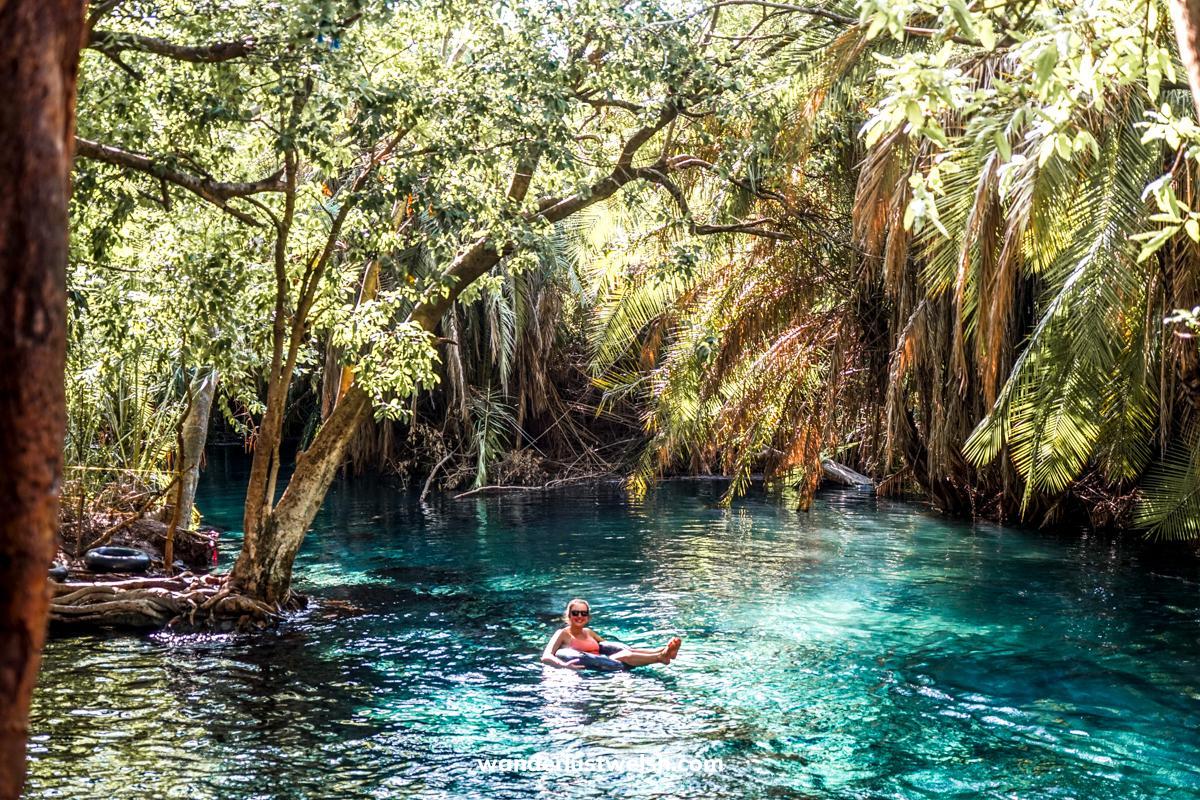
The Hot Spring, Waterfall & Coffee Farm Tour is a full-day adventure from Moshi or Arusha. This trip is the perfect way to unwind after your Kilimanjaro trek—light on effort but rich in scenery, culture, and relaxation. We joined the tour the day after our Kilimanjaro trek and relaxing in the hot springs felt like the ultimate reward.
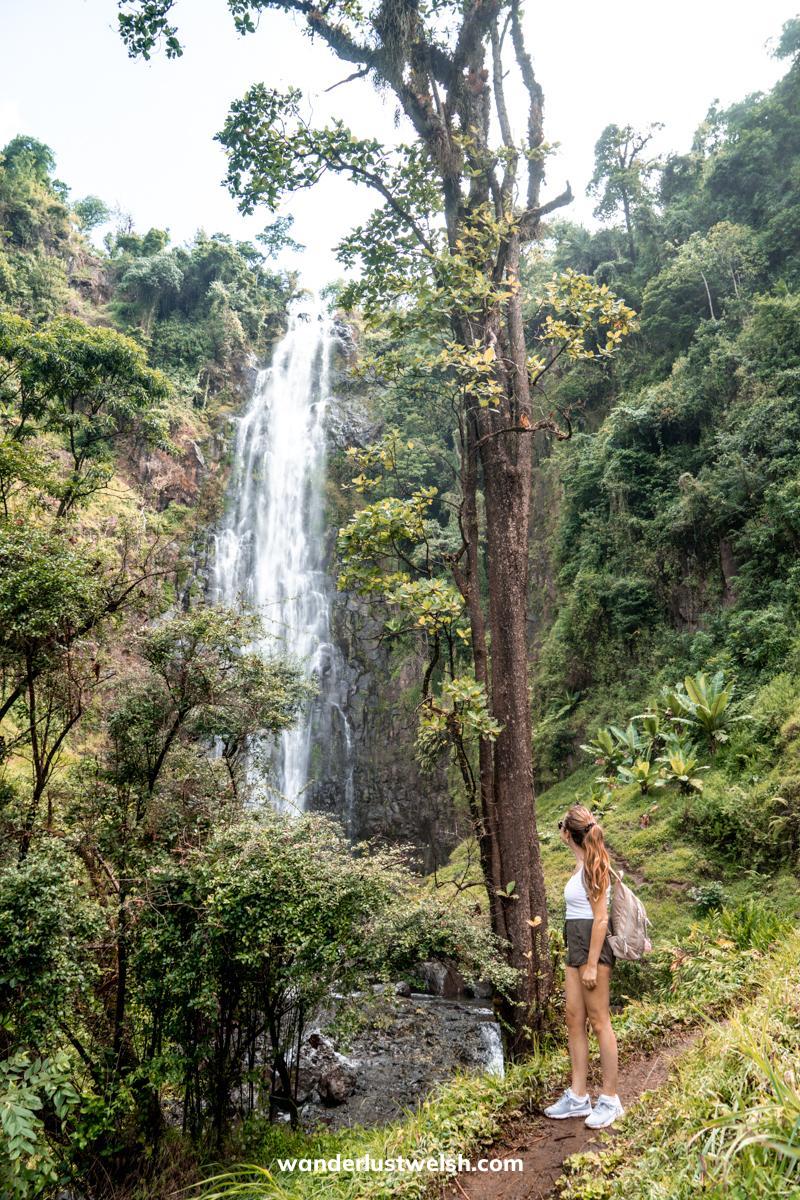
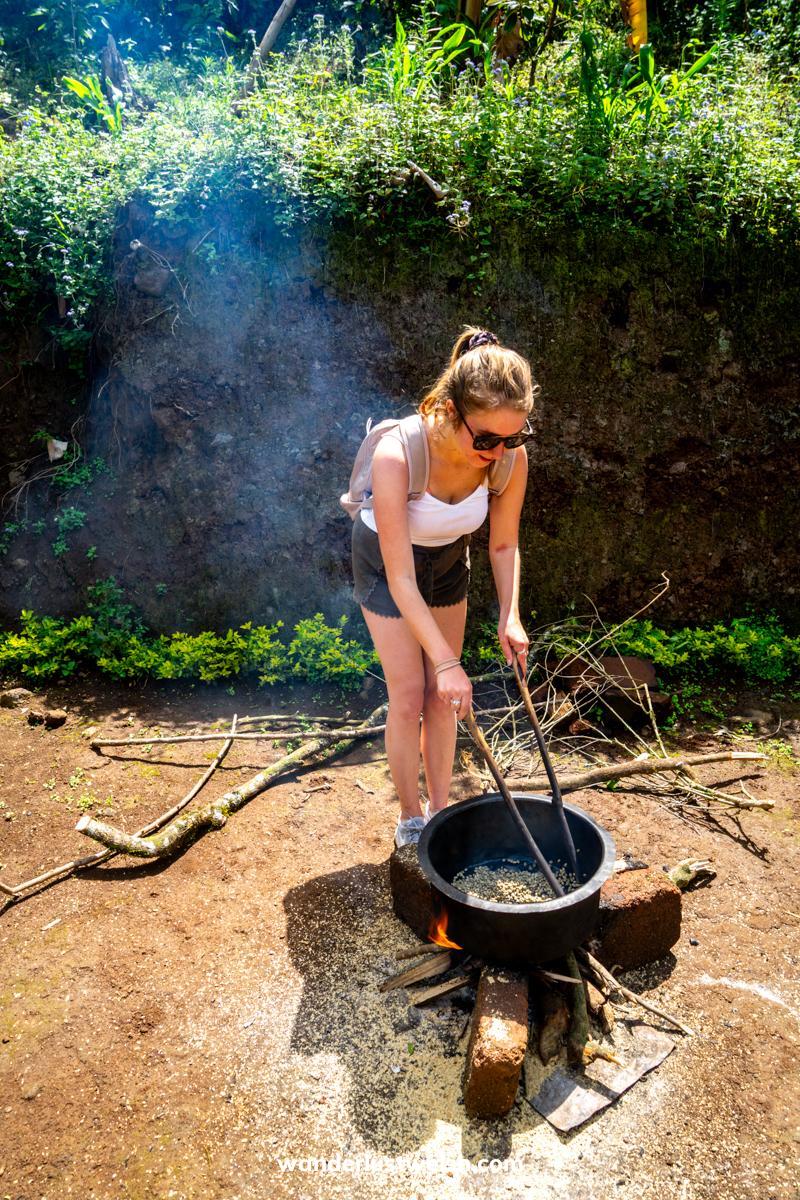
On the day trip you’ll hike to the stunning Materuni Waterfall, swim in its cool pool, then visit a nearby Chagga village to enjoy a traditional lunch and take part in a hands-on coffee-making experience—from bean to cup. The day finishes with a refreshing soak at Chemka Hot Springs, a naturally warm, turquoise pool surrounded by palm trees.
Go on a Safari in Tanzania
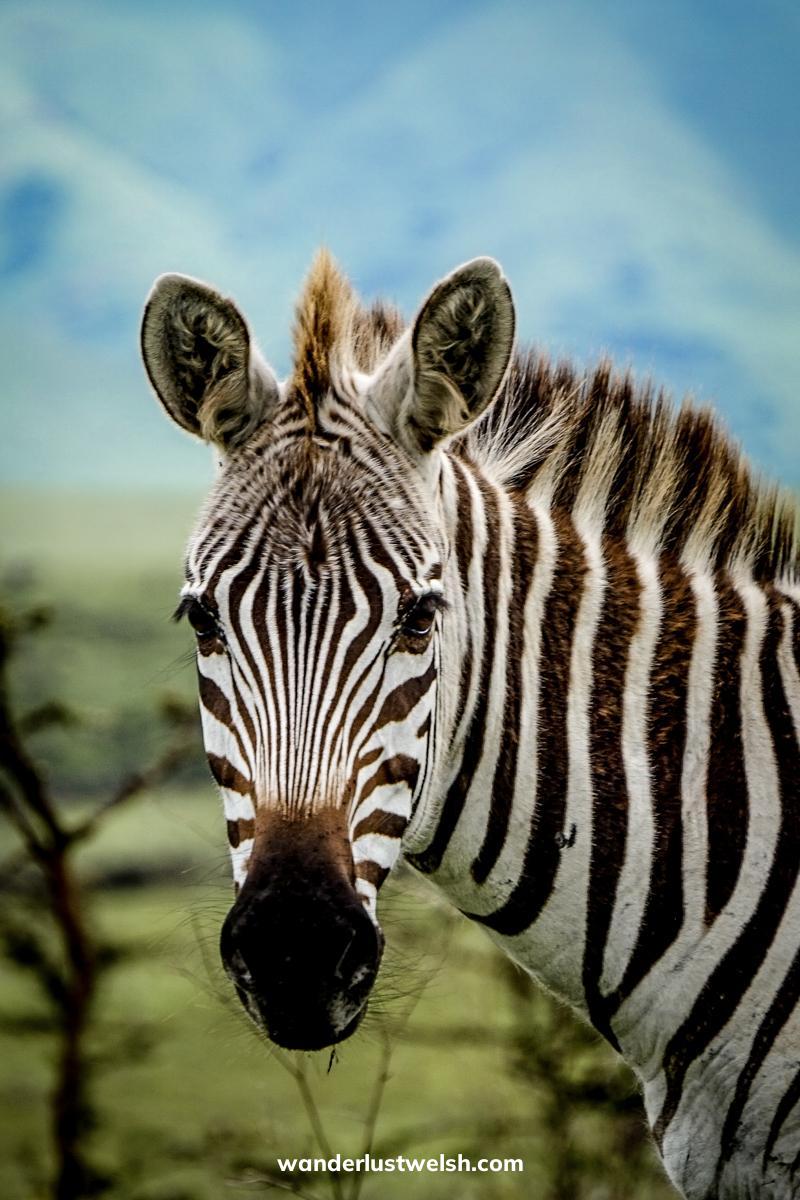
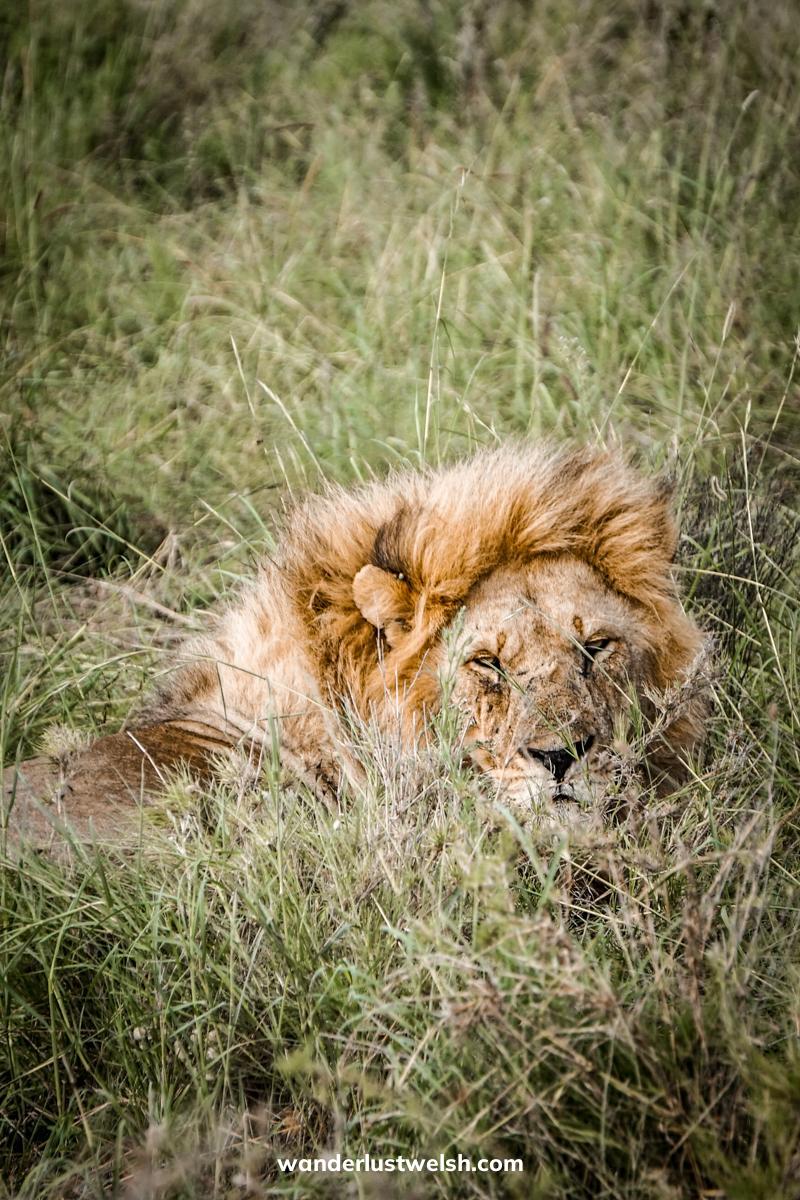
After completing the Kilimanjaro trek, doing a safari is an incredible way to experience another side of Tanzania. Swapping hiking boots for binoculars, you can explore iconic parks like the Serengeti, Ngorongoro Crater, or Tarangire, all teeming with wildlife. It’s a chance to rest your body while still soaking up adventure.
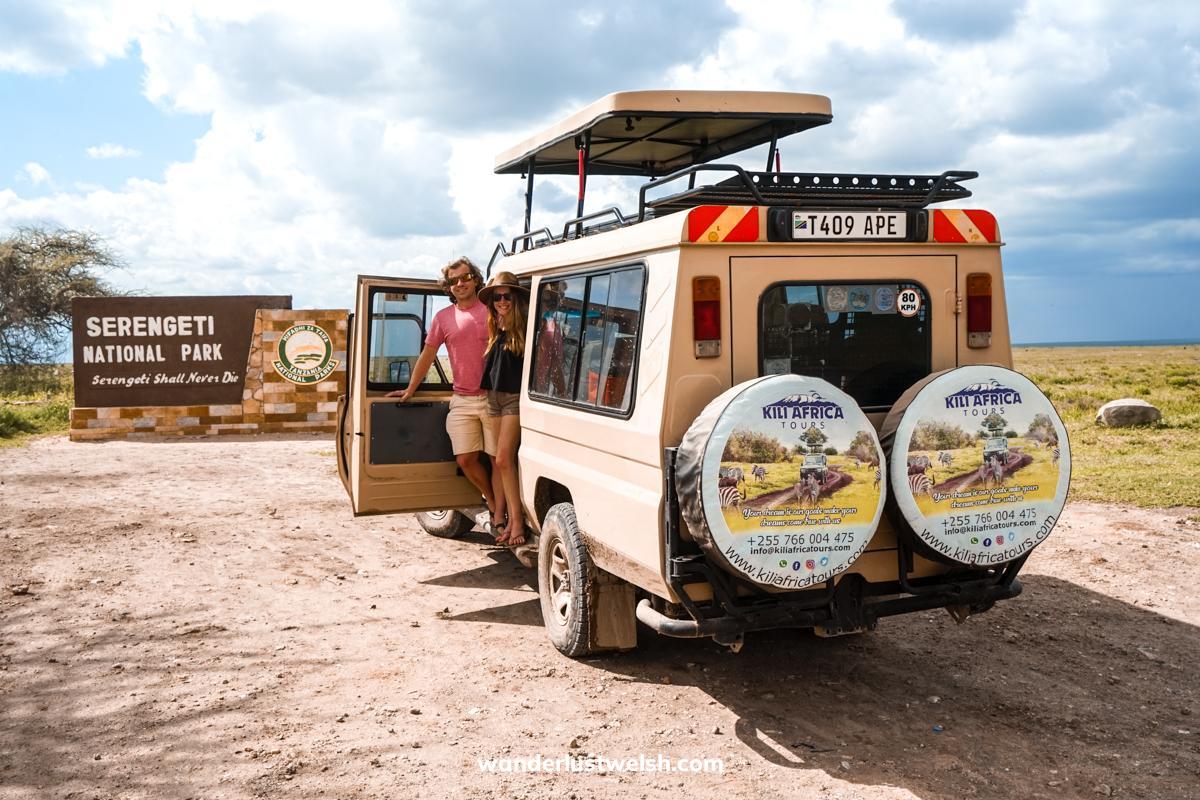
Spending hours in a safari truck bouncing along the rugged dirt roads is often jokingly referred to as an “African massage.” After the Kilimanjaro trek, it’s a fun and bumpy ride through the wilderness—sometimes a little jolting, but always worth it for the incredible wildlife sightings and epic landscapes. Whether you choose a day trip or a longer journey through multiple parks, a safari is the perfect contrast to the mountain and a memorable way to round off your trip.
Zanzibar
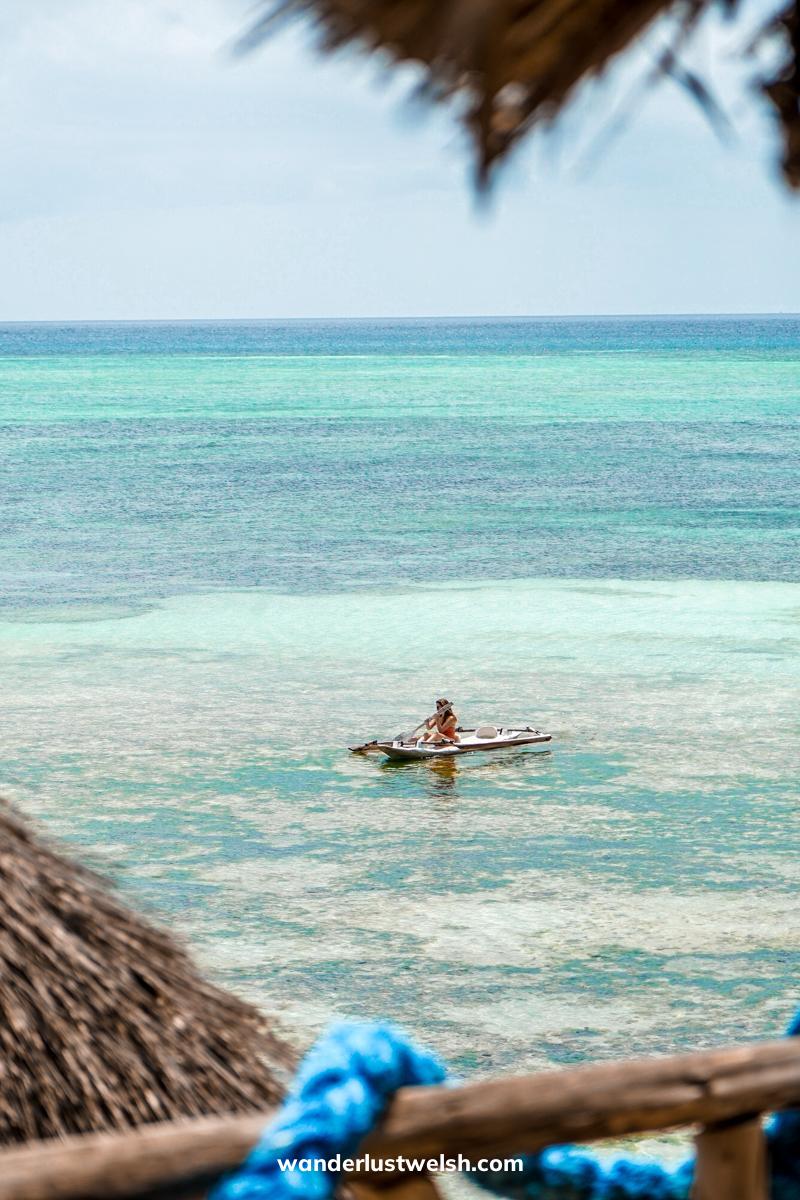
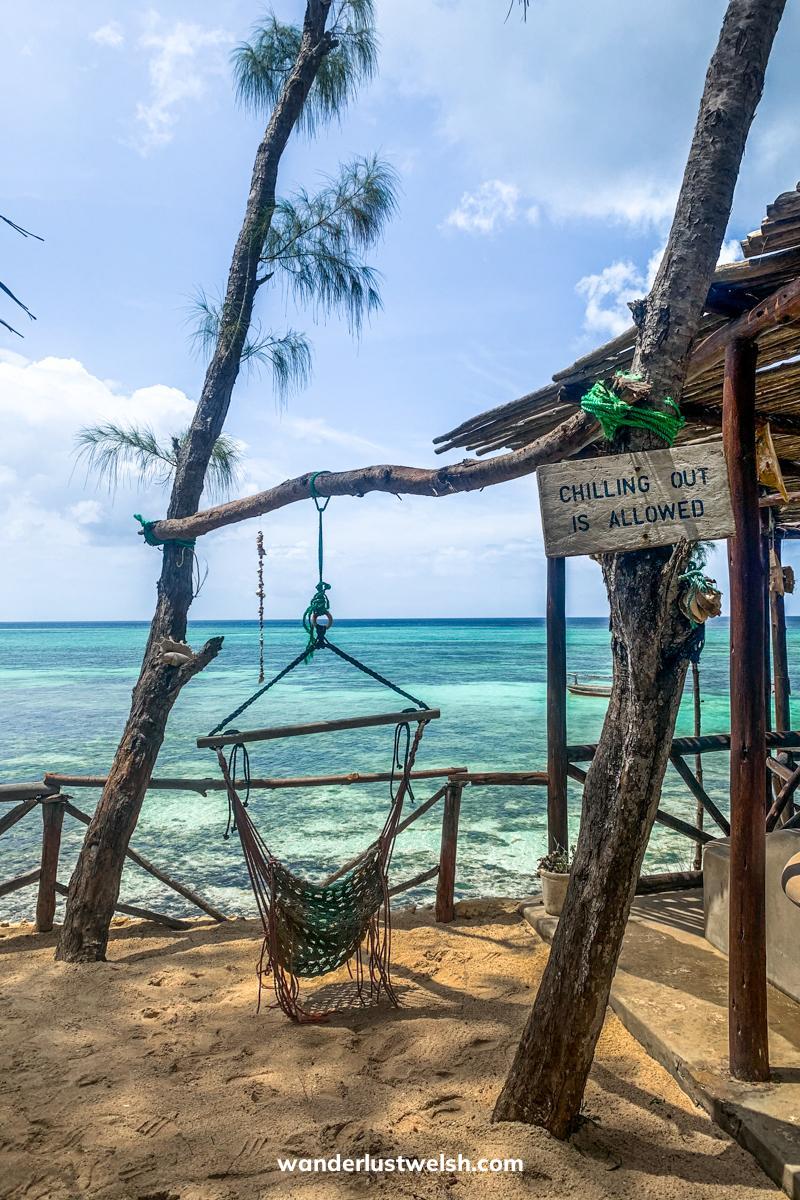
After the challenges of the Kilimanjaro trek, heading to Zanzibar is the perfect way to unwind. With its white-sand beaches and warm turquoise waters, it’s an ideal place to relax, recover, and reflect on your adventure.
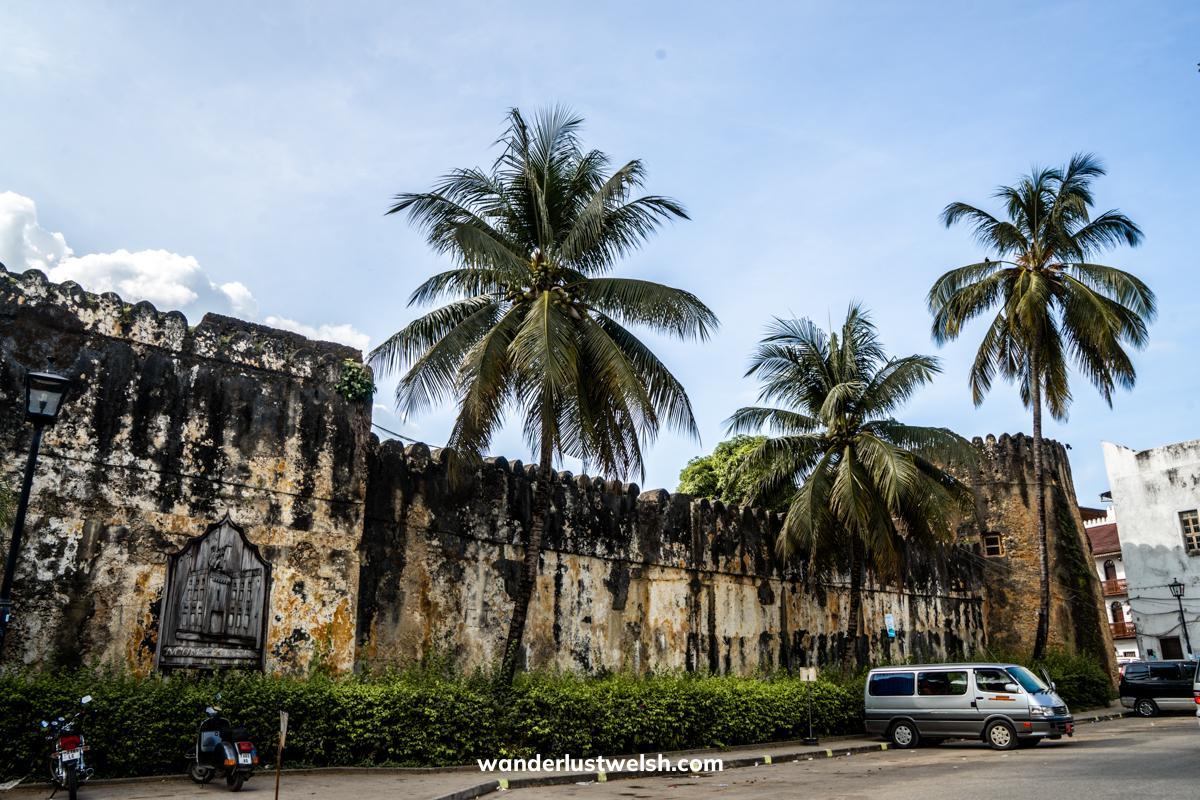
Whether you’re sipping fresh coconut juice under a palm tree, exploring the winding alleys of Stone Town, or snorkelling amongst the beautiful corals, Zanzibar offers a peaceful contrast to the mountain, making it the ultimate post-trek escape.
Final Thoughts on Climbing Mount Kilimanjaro
The Lemosho Route is a fantastic way to climb Kilimanjaro. With its gradual ascent and extra days to acclimatise, it gives you a great chance of making it to the summit safely. Staying in Moshi adds convenience and comfort before and after your trek. With the right preparation, you can tick off a huge bucket list item and stand on the roof of Africa.
FAQs
Can a Beginner Climb Kilimanjaro?
Yes, you can. Many beginners successfully reach the summit. Just be sure to train, go slowly, and prepare for altitude.
Can I do the Kilimanjaro Trek Alone?
No. Park regulations require you to hire a licensed guide. Most people join guided group tours or book private treks.
Where Does the Kilimanjaro Trek Start?
There are many different routes which all have different starting points. The Lemosho Route begins at the Lemosho Gate, west of Mount Kilimanjaro. You’ll drive there from Moshi or Arusha.
Is the Kilimanjaro Trek Worth It?
Absolutely. The experience is challenging, emotional, and awe-inspiring. Reaching the summit is a once-in-a-lifetime achievement.
Is the Kilimanjaro Trek Dangerous?
It can be, mainly due to altitude sickness. However, with a proper guide, good acclimatisation, and safety protocols, the risk is low.
How High is Kilimanjaro?
Kilimanjaro stands at 5,895 meters (19,341 feet). Uhuru Peak is the highest point on the mountain.
Is Kilimanjaro Harder than Everest Base Camp?
We get asked this question a lot, as we have trekked both. Kilimanjaro is shorter but steeper. Everest Base Camp treks are longer and have gradual altitude gain. Many find Kilimanjaro harder due to the rapid elevation.
How Long Does it Take to Climb Kilimanjaro?
Most routes take 6–9 days. The Lemosho Route usually takes 7 or 8 days, which is ideal for acclimatisation.
How Difficult is it to Climb Kilimanjaro?
It’s physically and mentally challenging due to high altitude. With preparation and the right mindset, you can do it.
Do I Need a Visa for Tanzania?
Citizens of most countries, including the US, UK, and much of Europe, can obtain a visa on arrival at Kilimanjaro International Airport or apply online in advance. Some passport holders may need to arrange a visa before travel. For the most up-to-date information, check the official Tanzania immigration website.
Climbing Mount Kilimanjaro – Full Guide to Trekking Africa’s Highest Peak
Don't Forget to Pin it for Later
More Africa Travel
Find more of our Africa travel guides below:
-
Climbing Mount Kilimanjaro – Full Guide to Trekking Africa’s Highest Peak