11 Best Things to Do in Rwanda
Rwanda, known as the ‘Land of a Thousand Hills’, is home to a variety of experiences for those seeking adventure, culture, and history. This East African country has transformed its tragic past into a beacon of progress and resilience. While Rwanda might not be the cheapest destination in Africa, its unique activities make it an attractive choice for travelers. There’s a few more things you could do around the country like walking tours, nightlife, and some relaxation, but this is our list of the very best things to do in Rwanda.

Rwanda
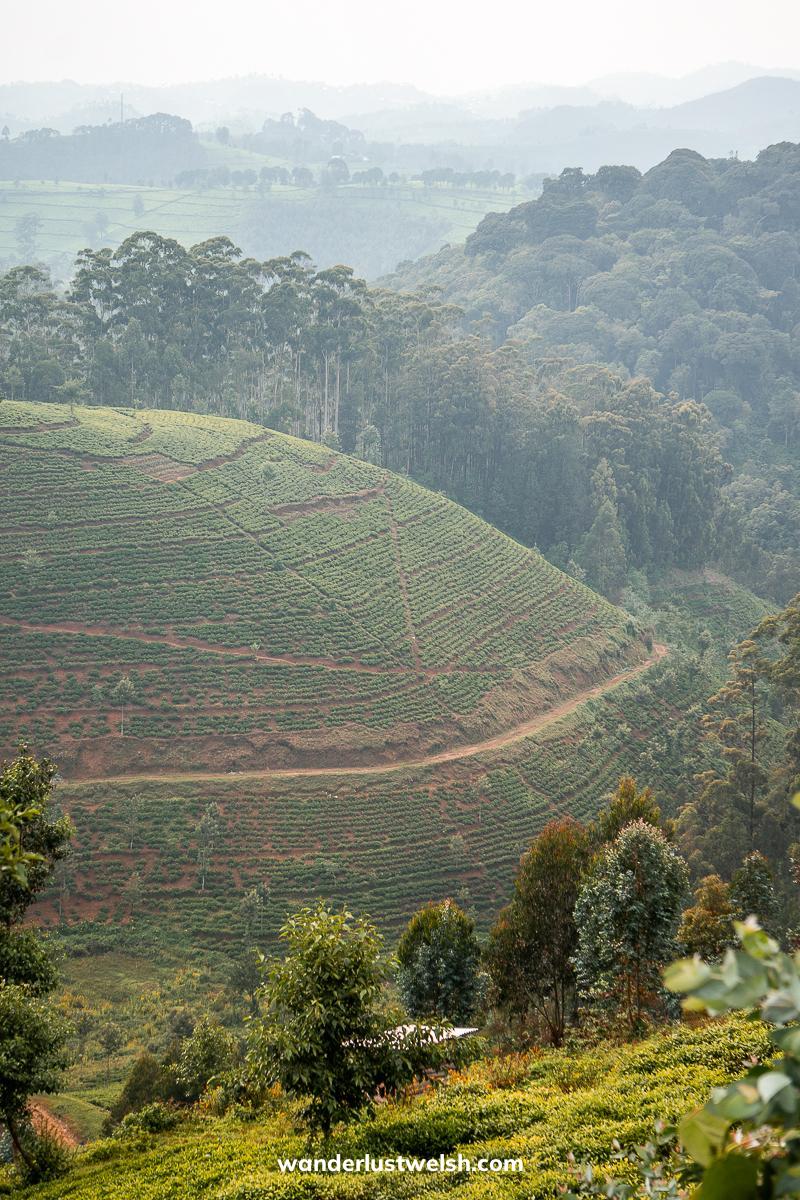
Rwanda is a small, landlocked country located in East Africa, bordered by Uganda, Tanzania, Burundi, and the Democratic Republic of the Congo (DRC). It is renowned for its stunning landscapes, characterized by rolling hills, lush rainforests, and expansive savannah. Rwanda’s diverse ecosystem is home to a rich variety of wildlife, including the endangered mountain gorillas, which are the biggest draw for most visitors.
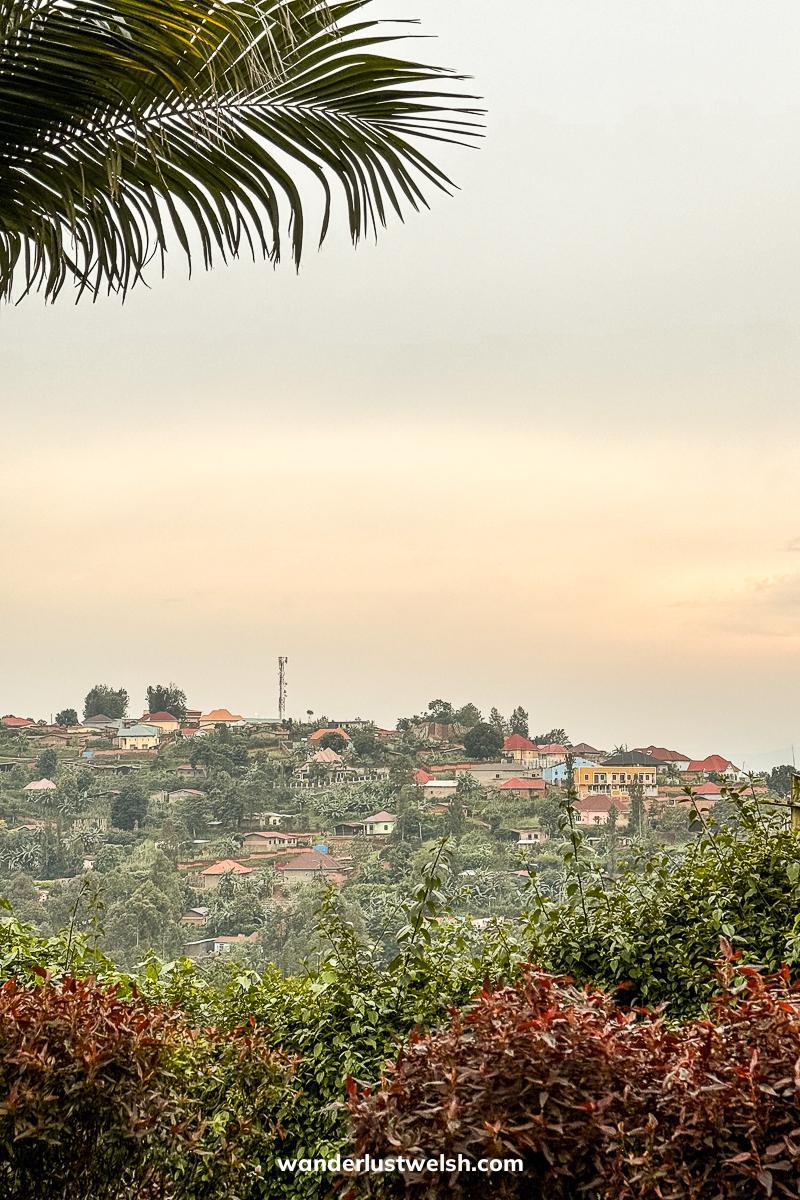
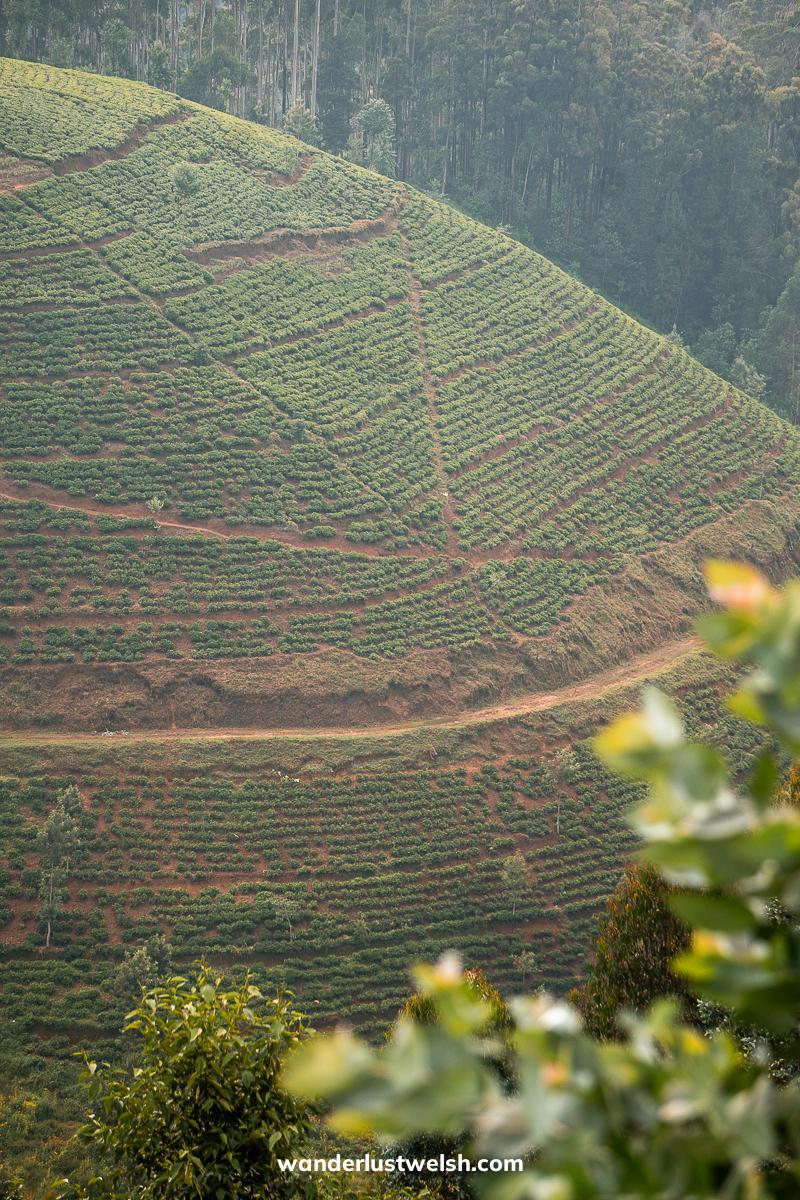
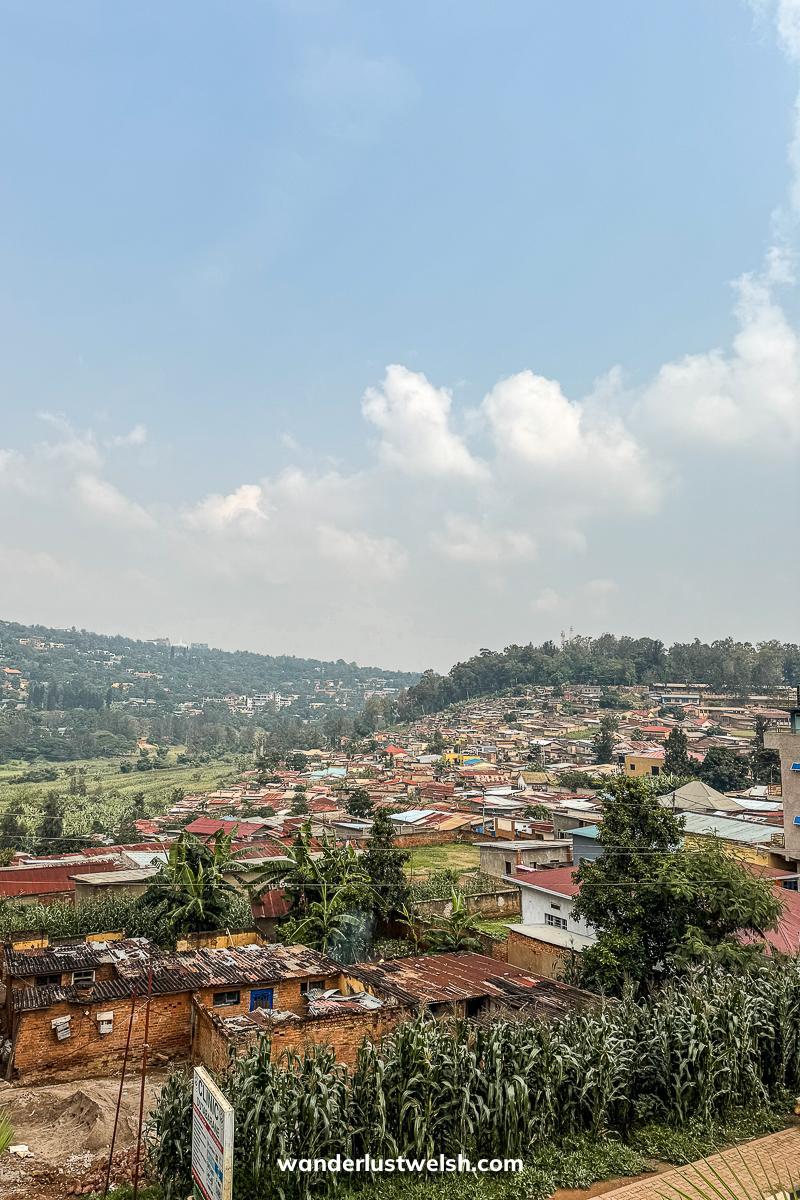
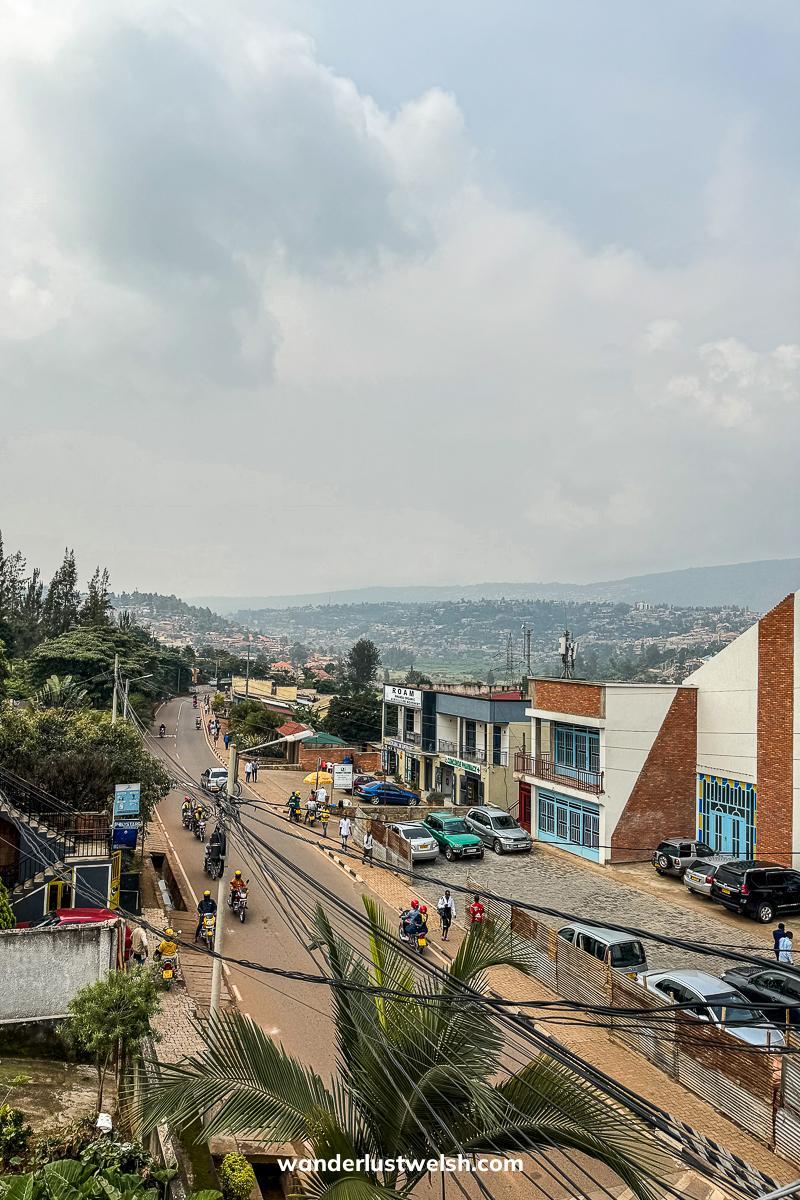
The capital, Kigali, is a modern city, often considered one of the safest in Africa. Rwanda’s post-genocide recovery has been nothing short of remarkable. Today, the country offers incredible experiences from trekking with primates to exploring cultural museums. Without further ado, here’s our list of the best things to do in Rwanda.
Best Things to Do in Rwanda
1. Gorilla Trekking
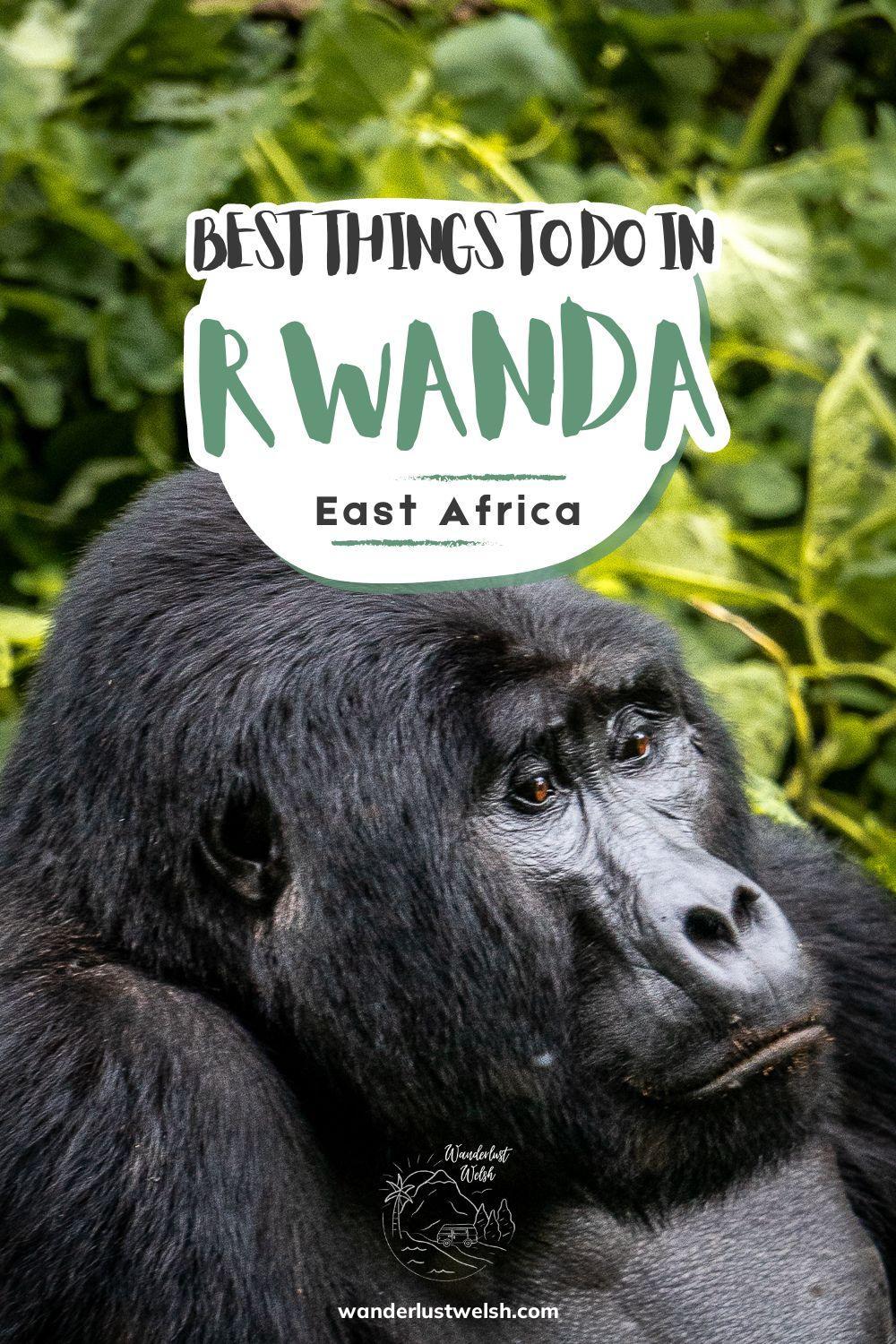
The highlight in terms of activities in Rwanda is, of course, the gorilla trekking. This unforgettable experience brings you face to face with mountain gorillas in their natural habitat. The trek takes place in Volcanoes National Park, which is part of the Virunga Mountains that straddle Rwanda, Uganda, and the DRC.
The gorillas that you encounter are what’s known as habituated. Don’t be fooled by the term, these apes are still totally wild.
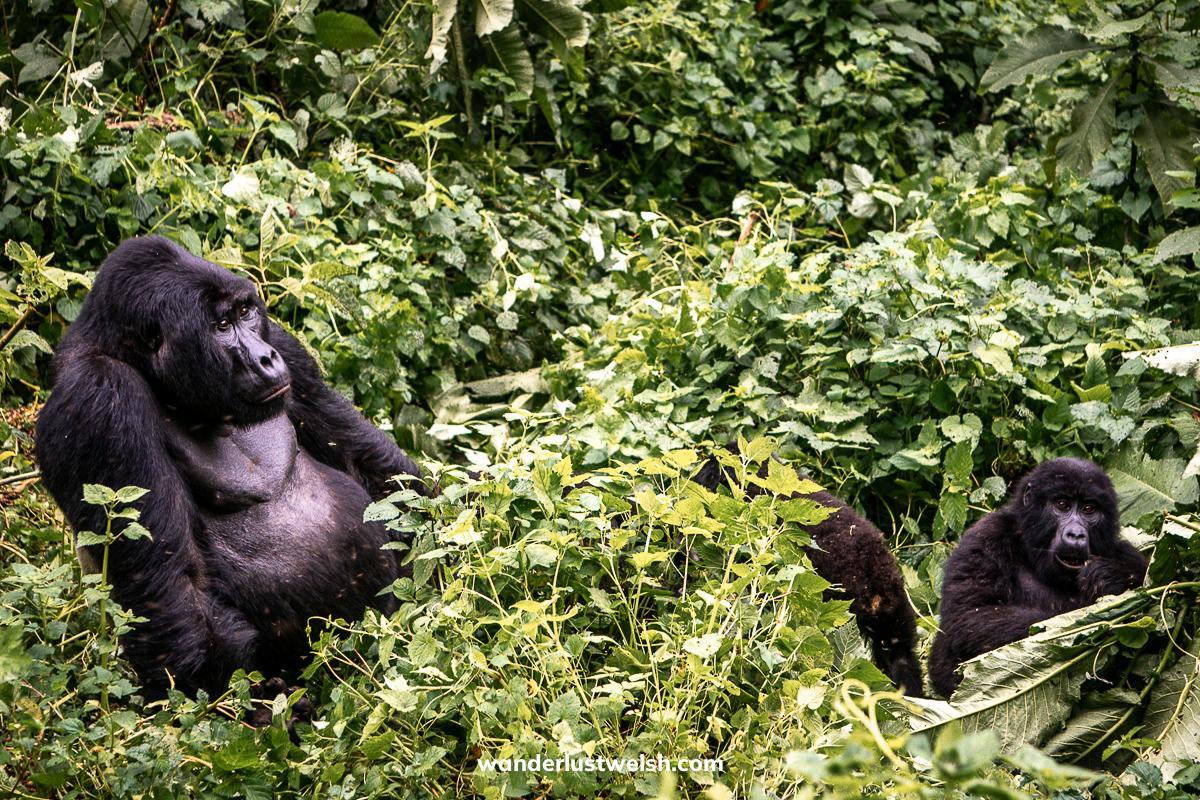
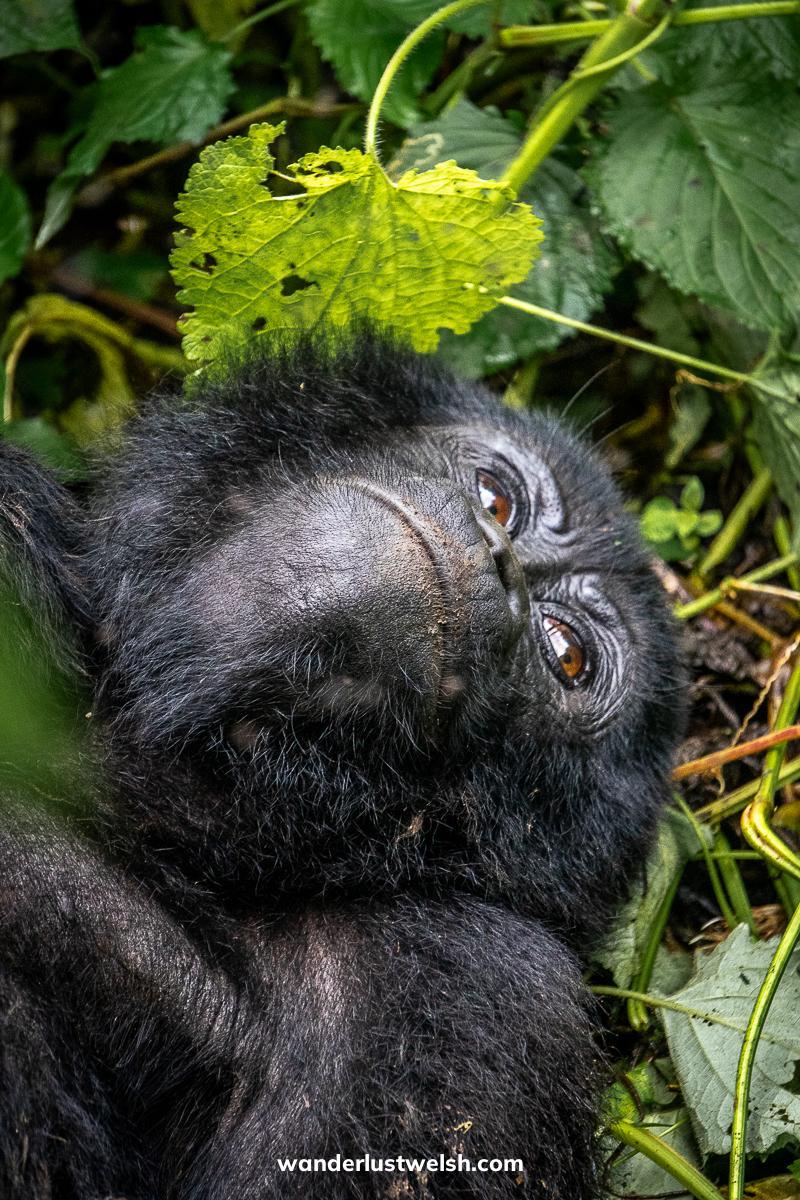
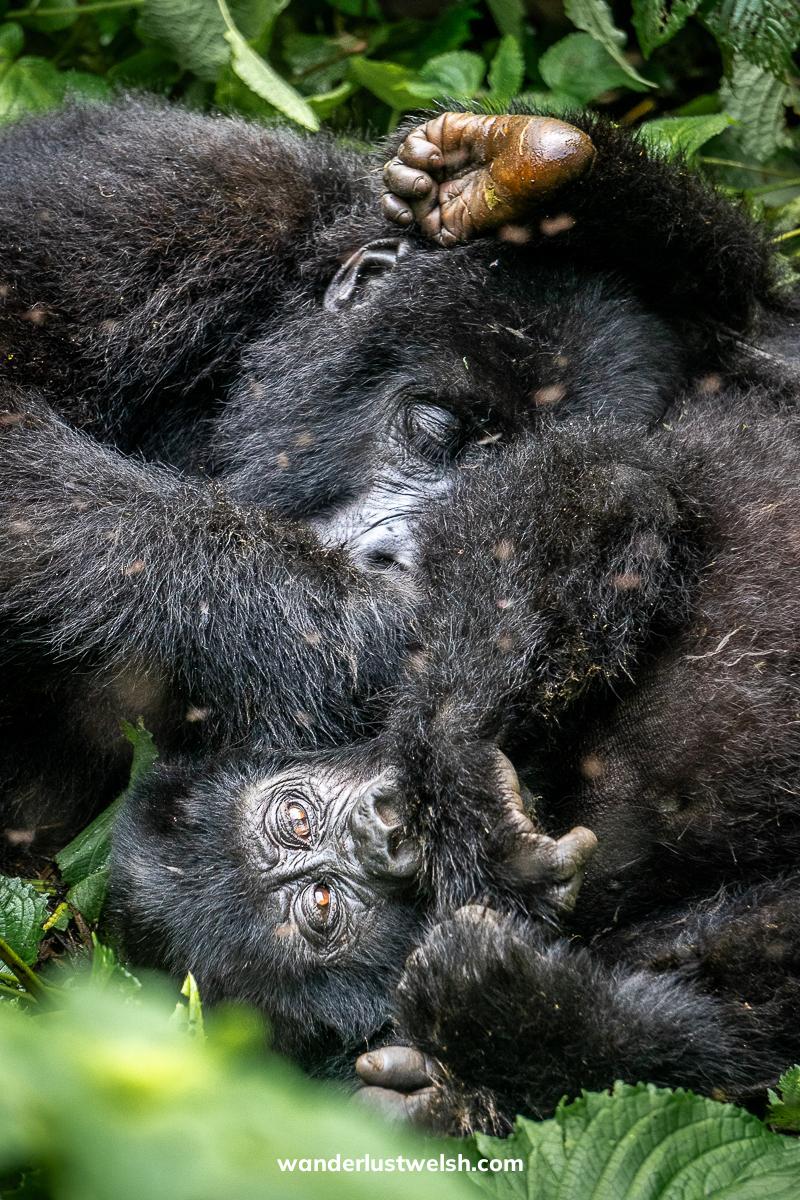
Habituation is the process of gradually exposing them to humans, which can take years. It’s often carried out by trackers and researchers who spend time near the gorillas in a non-threatening way. Without this habituation process it’s likely that a gorilla family would avoid a group of humans.
One thing worth noting is that Rwanda is the most expensive place for gorilla trekking. A permit here costs $1,500 versus a $700 permit in Uganda’s Bwindi Impenetrable National Park. For those looking for a more budget-friendly option, Uganda offers a similar experience for half the price.
2. Chimp Trekking
Chimpanzee trekking in Rwanda is another fantastic chance to get up close with our great ape cousins.
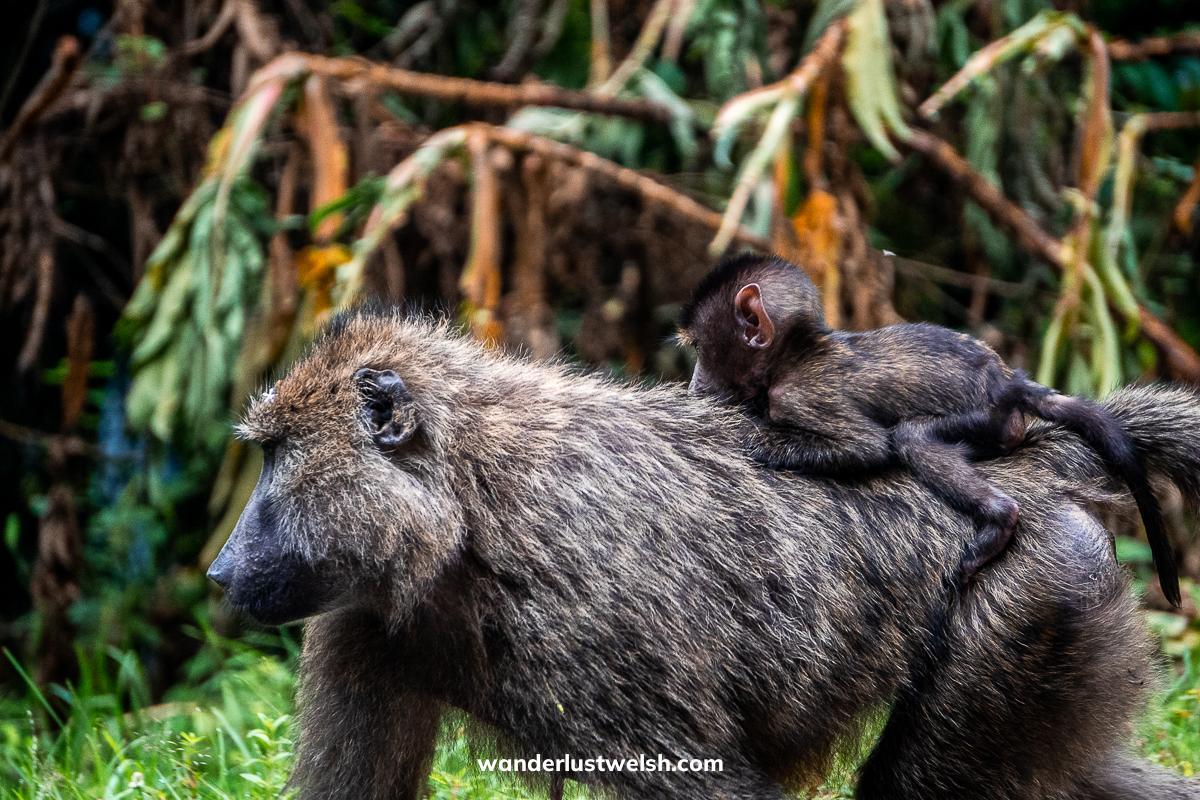
The chimp treks are in Nyungwe National Park, a vast montane rainforest located in the southwestern part of the country. Nyungwe is home to one of the largest populations of chimpanzees in East Africa. Chimps also need to be habituated to get used to a human presence.
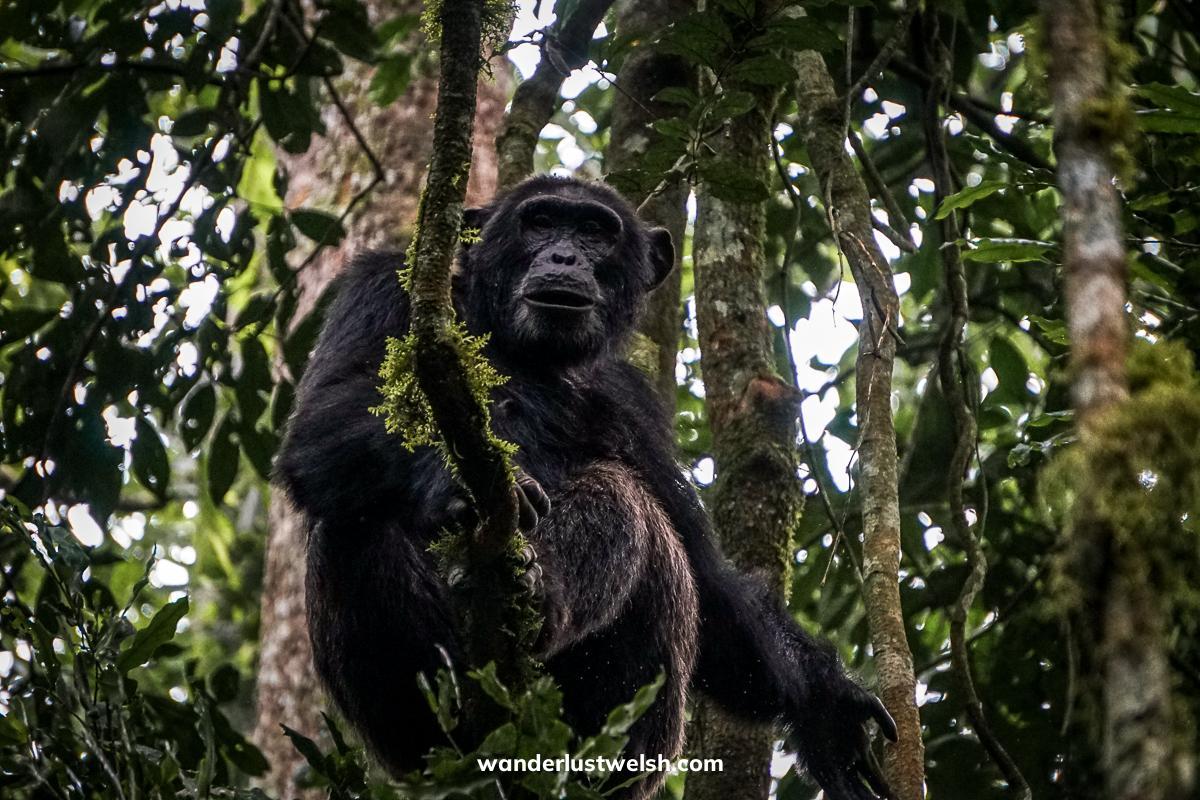
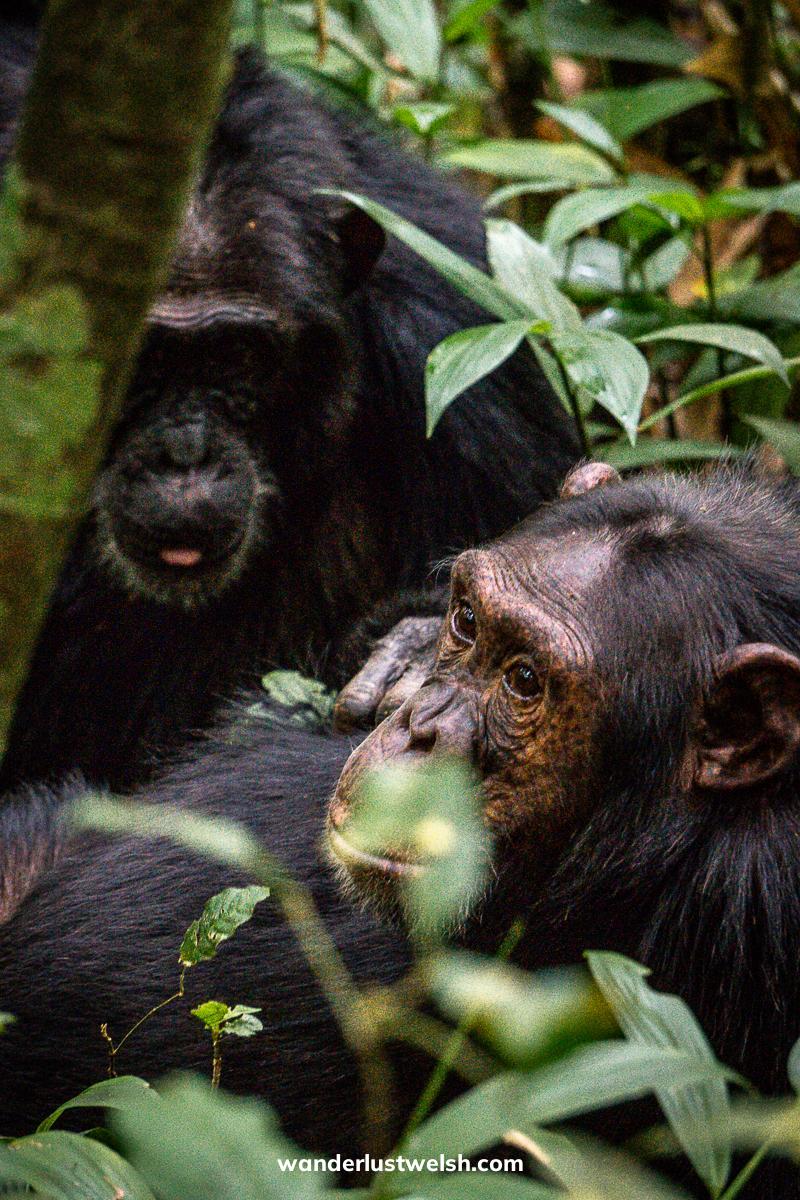
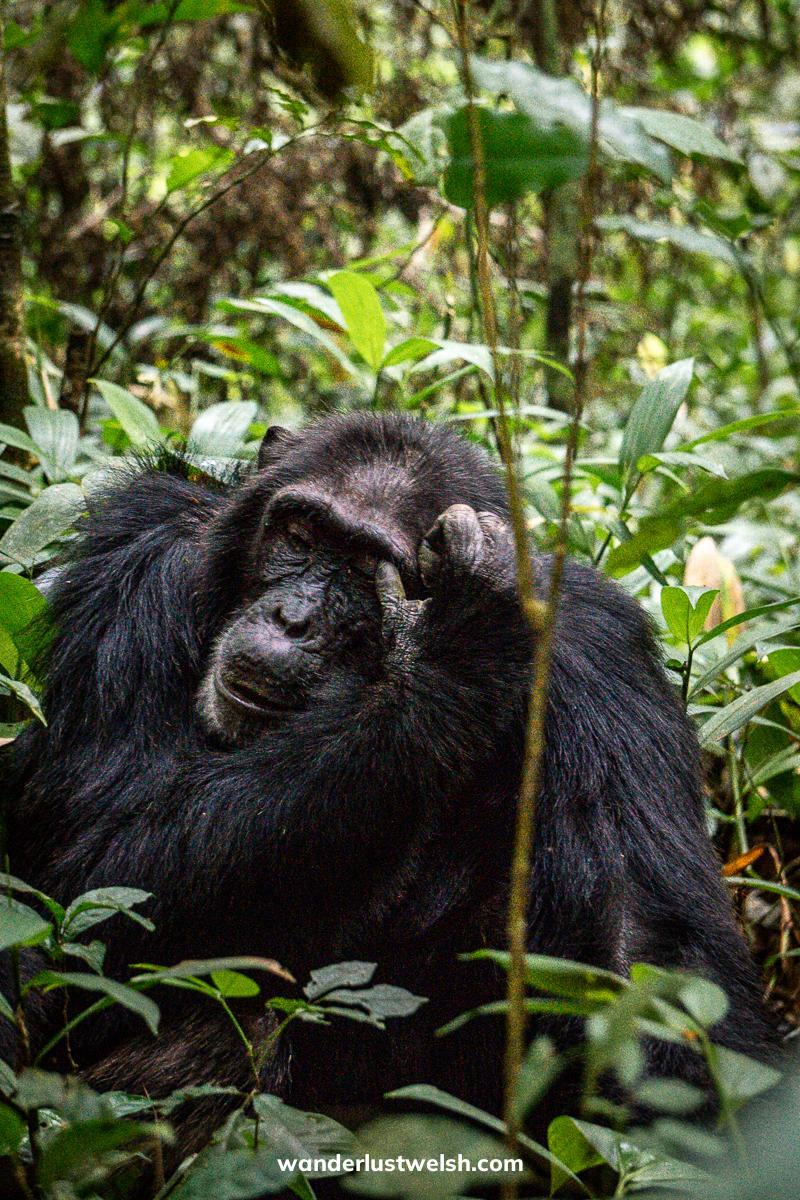
As with the gorillas, Rwanda’s not the only option for chimp trekking. Though the permits are cheaper in Rwanda, that doesn’t include the park entrance fee. This, along with Rwanda’s higher cost of transport and accommodation makes it significantly cheaper in Uganda’s Kibale National Park.
3. Golden Monkey Trekking
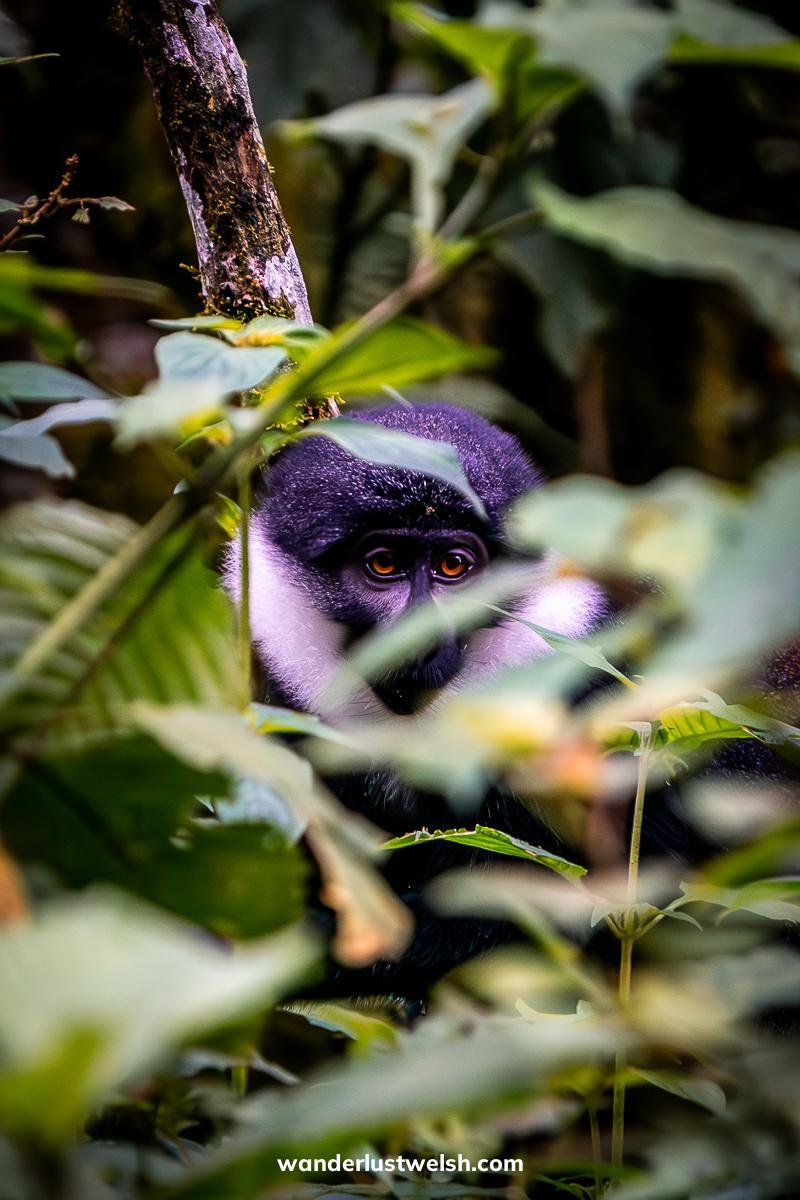
Golden monkey trekking is a unique experience, only available in the forests of the Virunga Mountains. This area straddles land borders and is shared between Volcanoes National Park in Rwanda, Virunga National Park in the DRC, and Mgahinga National Park in Uganda.
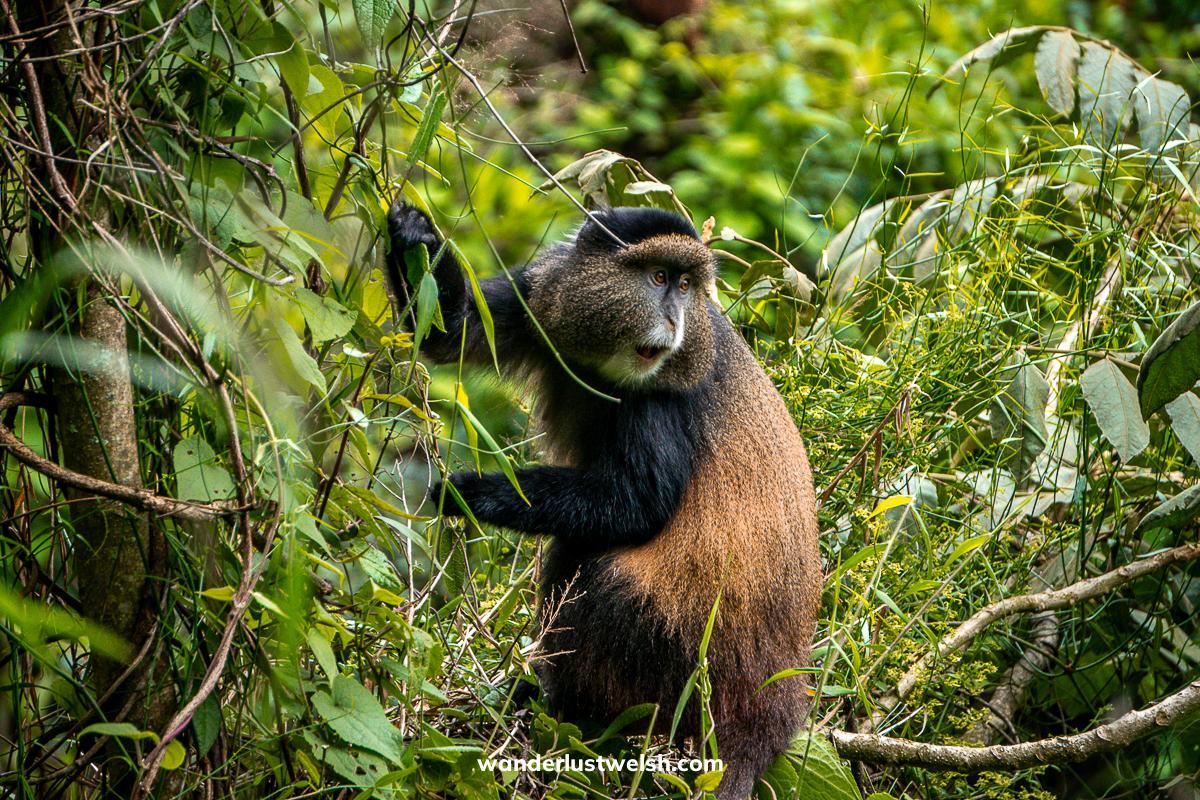
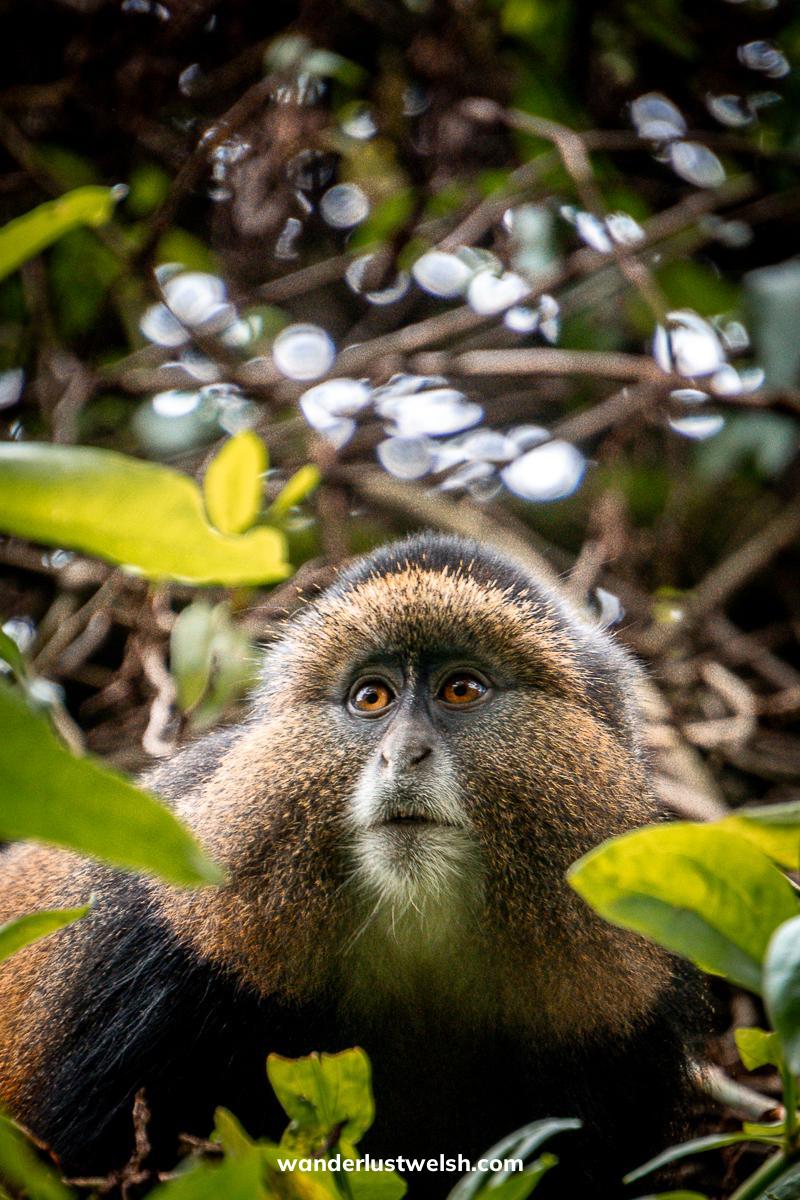
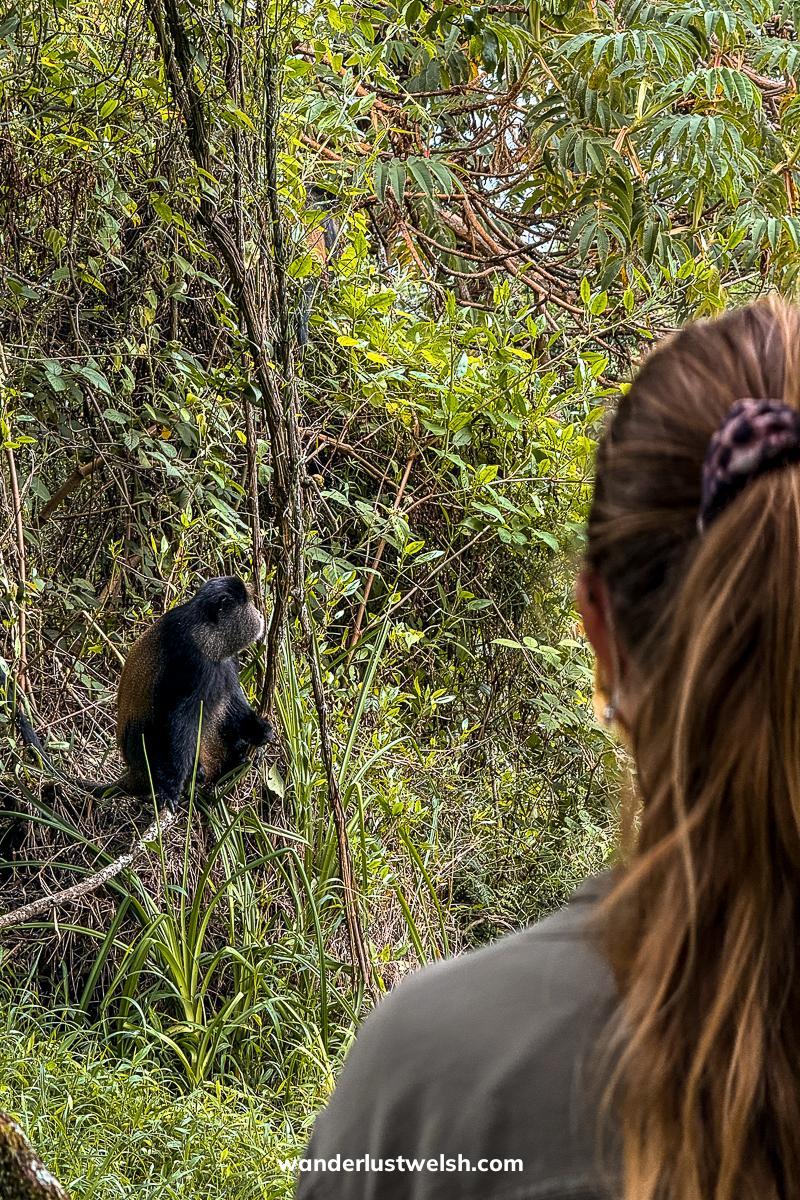
These striking primates, with their golden-orange fur, are fun to watch as they interact and play with each other while leaping through the forests. The golden monkey trekking experience is generally less strenuous than gorilla and chimp trekking. It’s a good option if you want to experience Rwanda’s primates without the intensity and cost of a gorilla trek.
Like other wildlife activities in Rwanda, golden monkey trekking is more expensive than in neighboring Uganda.
4. Kigali Genocide Museum
A visit to Rwanda would not be complete without visiting the Kigali Genocide Museum. This museum serves as a poignant reminder of the 1994 genocide against the Tutsi, where an estimated 800,000 people lost their lives.
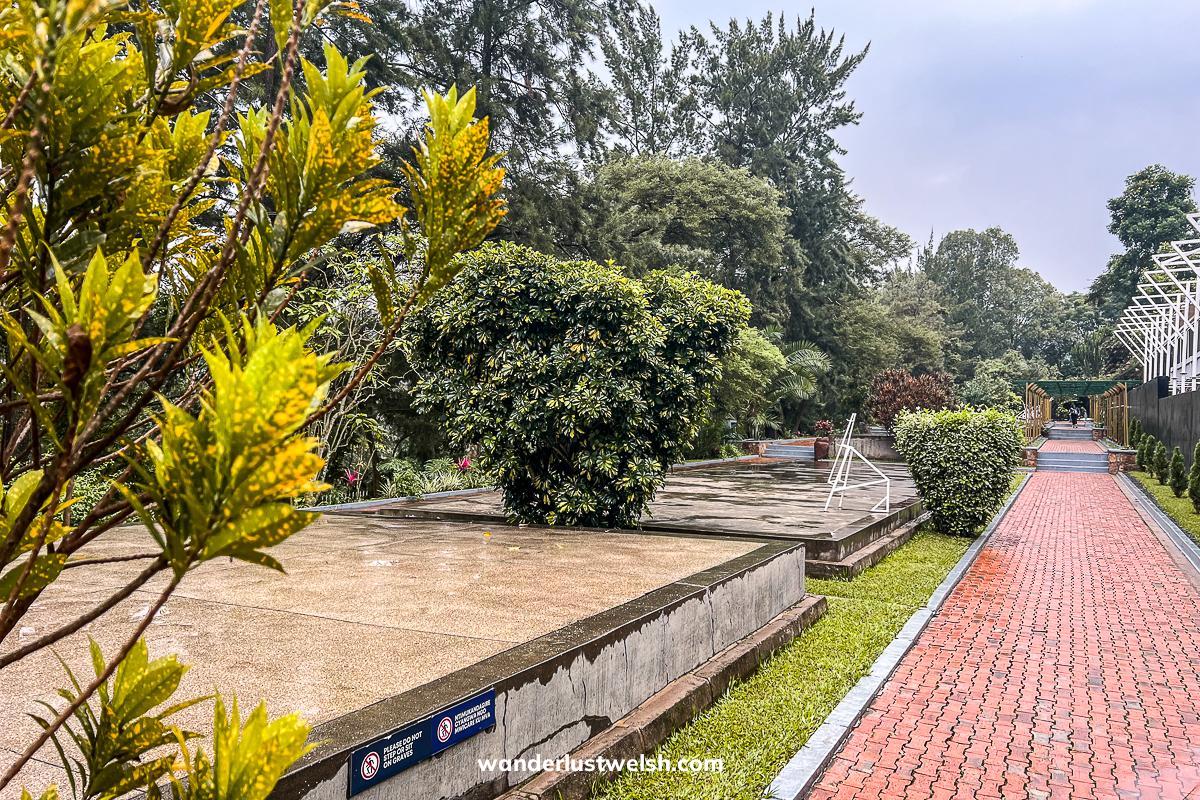
The museum is well-curated, with films featuring first-hand accounts of the terror that took place. It offers an in-depth look at the events leading up to the genocide, the horrors that ensued, and the nation’s journey towards healing and reconciliation.
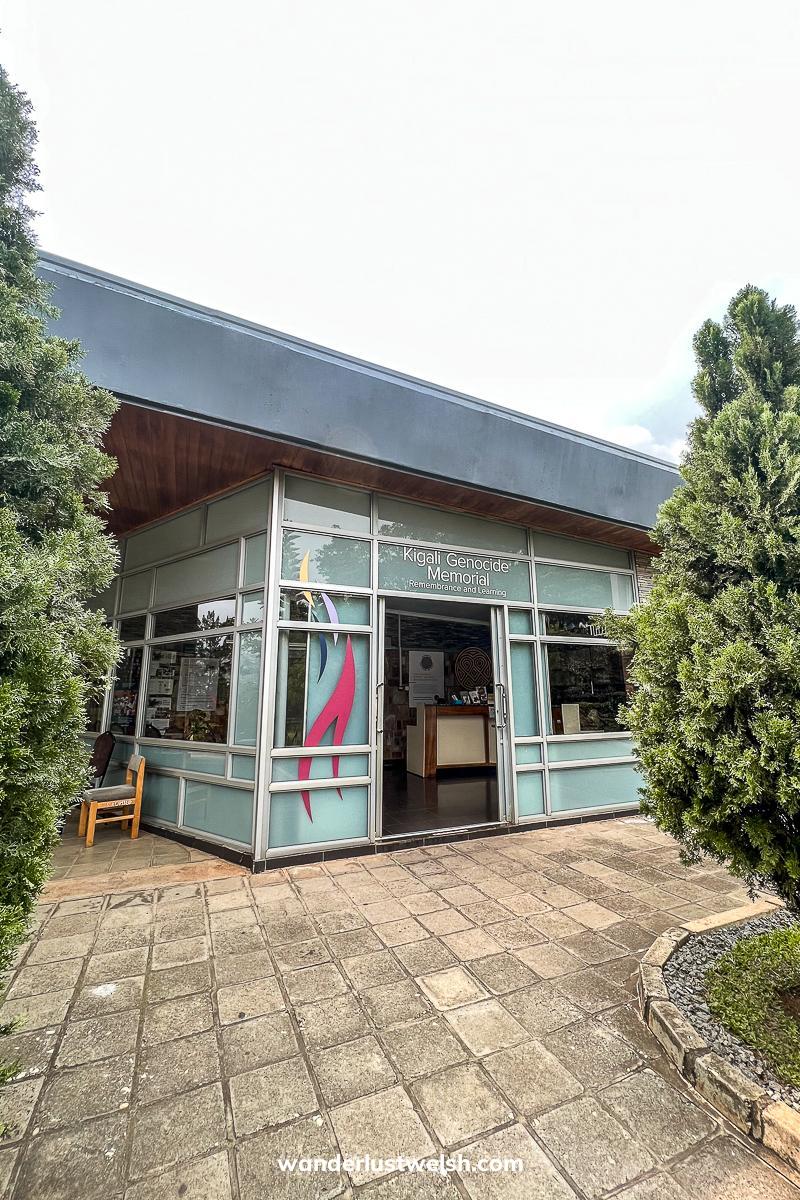
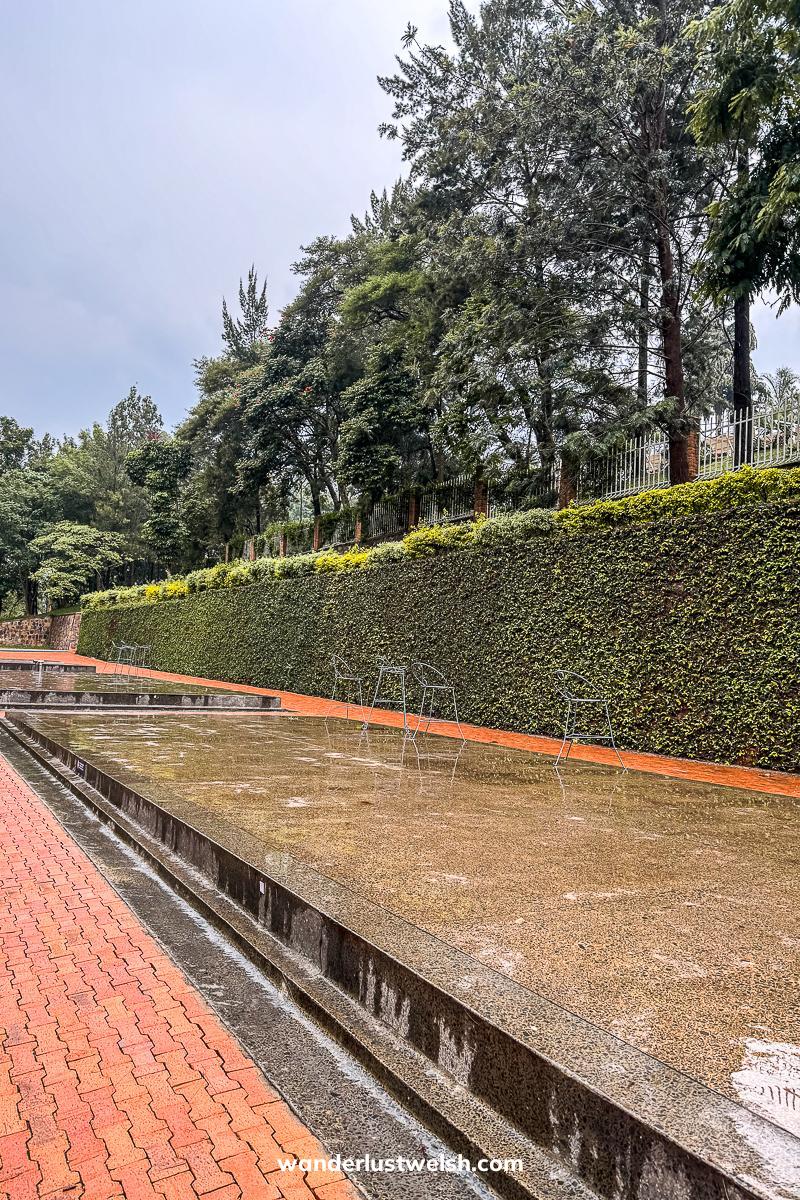
The Kigali Genocide Museum is not just a place of mourning but also of learning, reflection, and renewed hope for the future. As you walk through the exhibits, you will gain a deep understanding of Rwanda’s history and the incredible resilience of its people. The museum is a powerful reminder of the importance of peace and compassion, and the dangers of division and hate.
5. Akagera National Park – Game Drives
Rwanda is not as well known for its traditional African safaris as countries like Kenya and Tanzania, but Akagera National Park offers just that. Located in the eastern part of Rwanda, Akagera is a beautiful park that boasts a variety of wildlife, including elephants, lions, giraffes, and hippos.
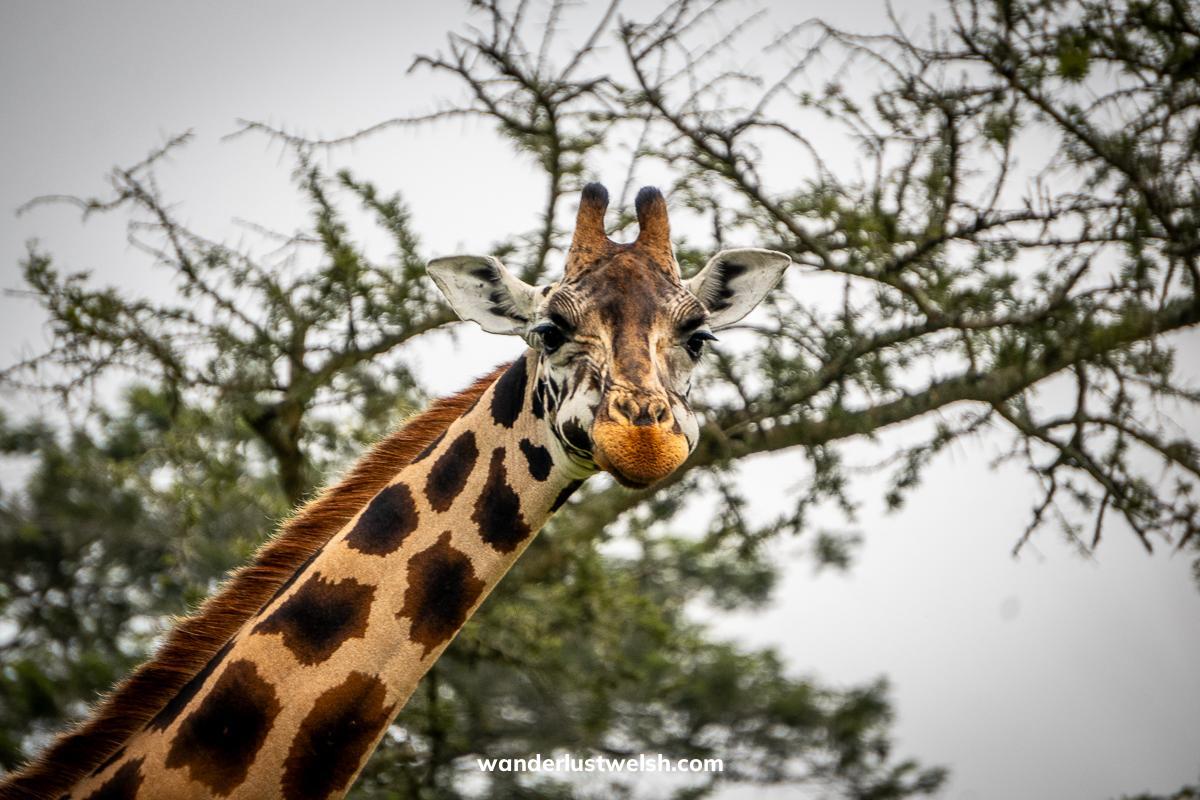
The park’s diverse landscapes range from savannahs to wetlands, offering a very different experience from the rainforests of Nyungwe and Volcanoes National Parks.
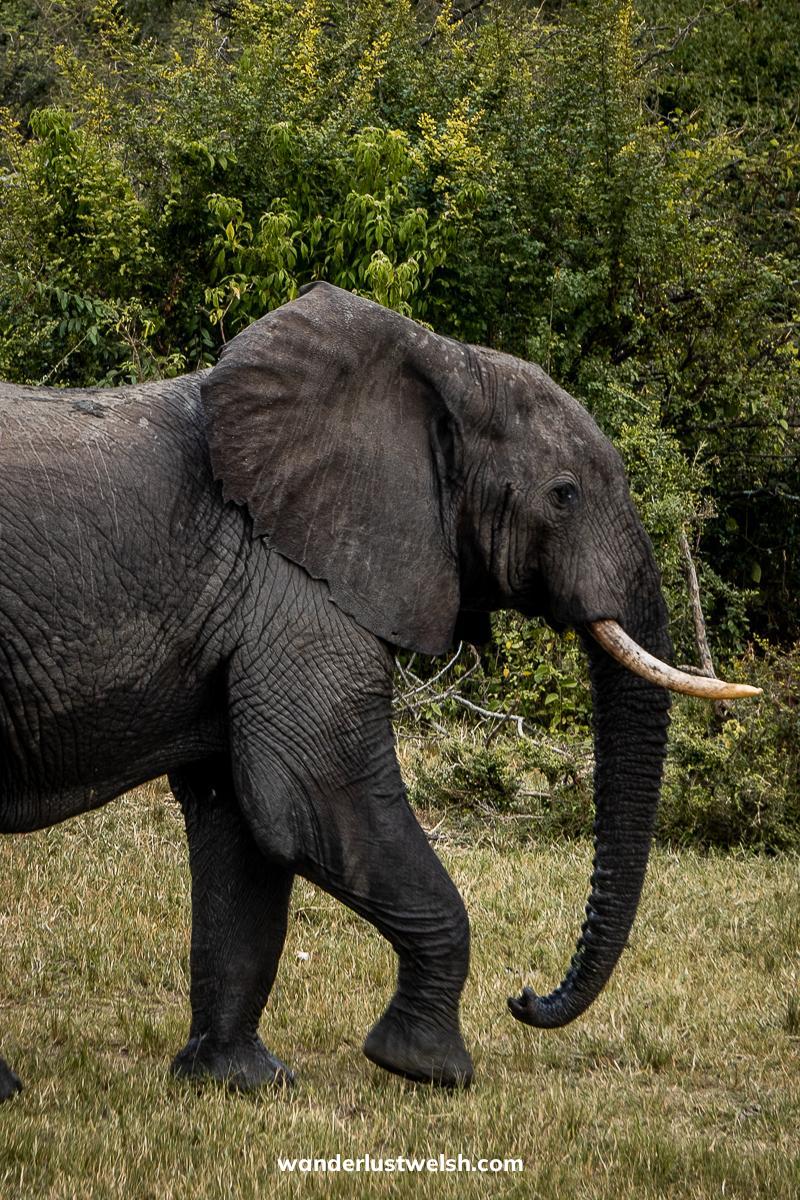
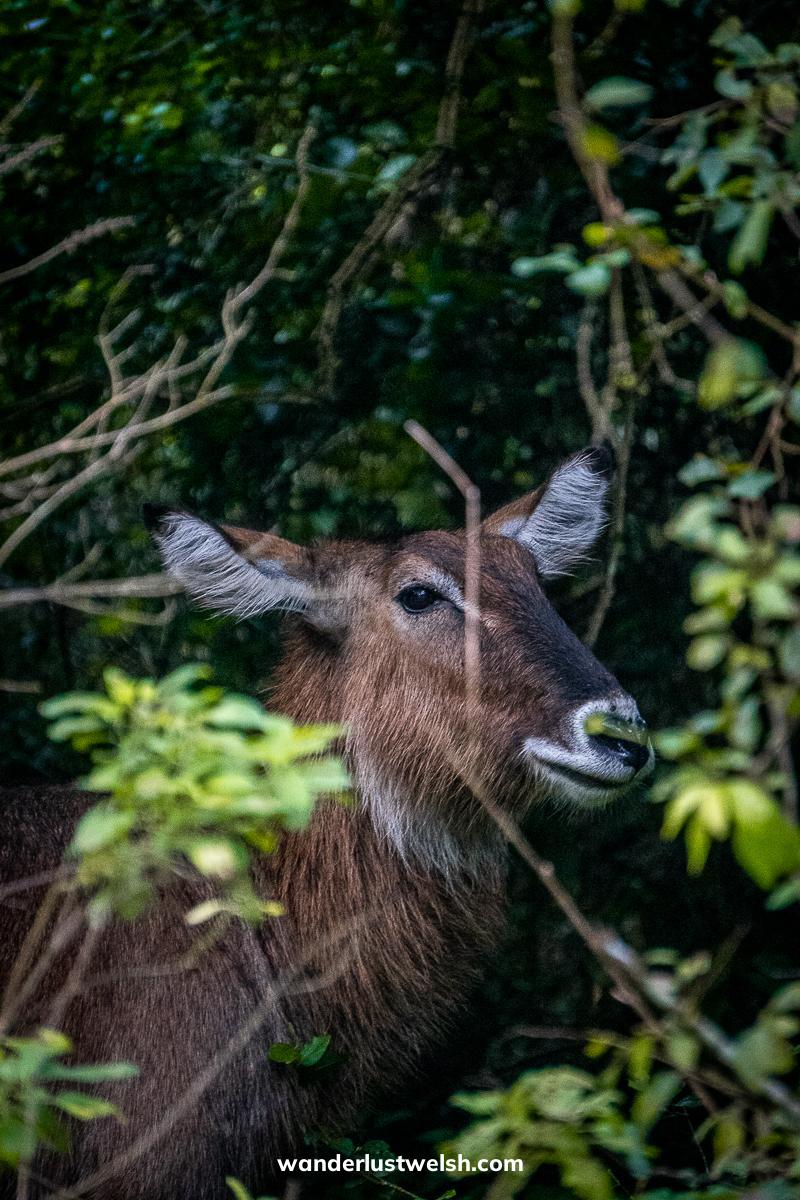
You can choose to go on a self-drive safari or book a one-day guided Akagera tour with a driver. While Rwanda is not well-known for its big game, Akagera still offers the opportunity to see the ‘Big Five’ in a quieter, less crowded setting.
6. Ethnographic Museum
Located in Huye, formerly known as Butare, the Ethnographic Museum is one of the best museums in Rwanda. It’s a must-visit for anyone interested in understanding the country’s past.
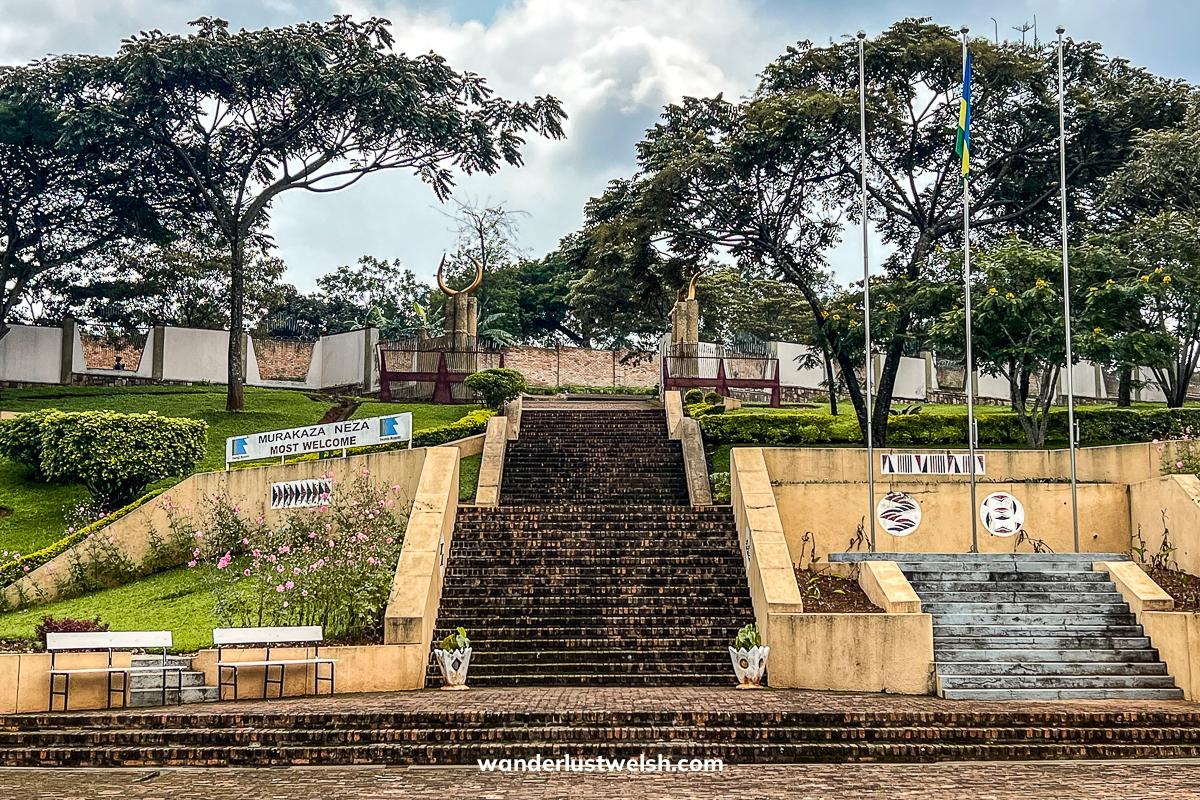
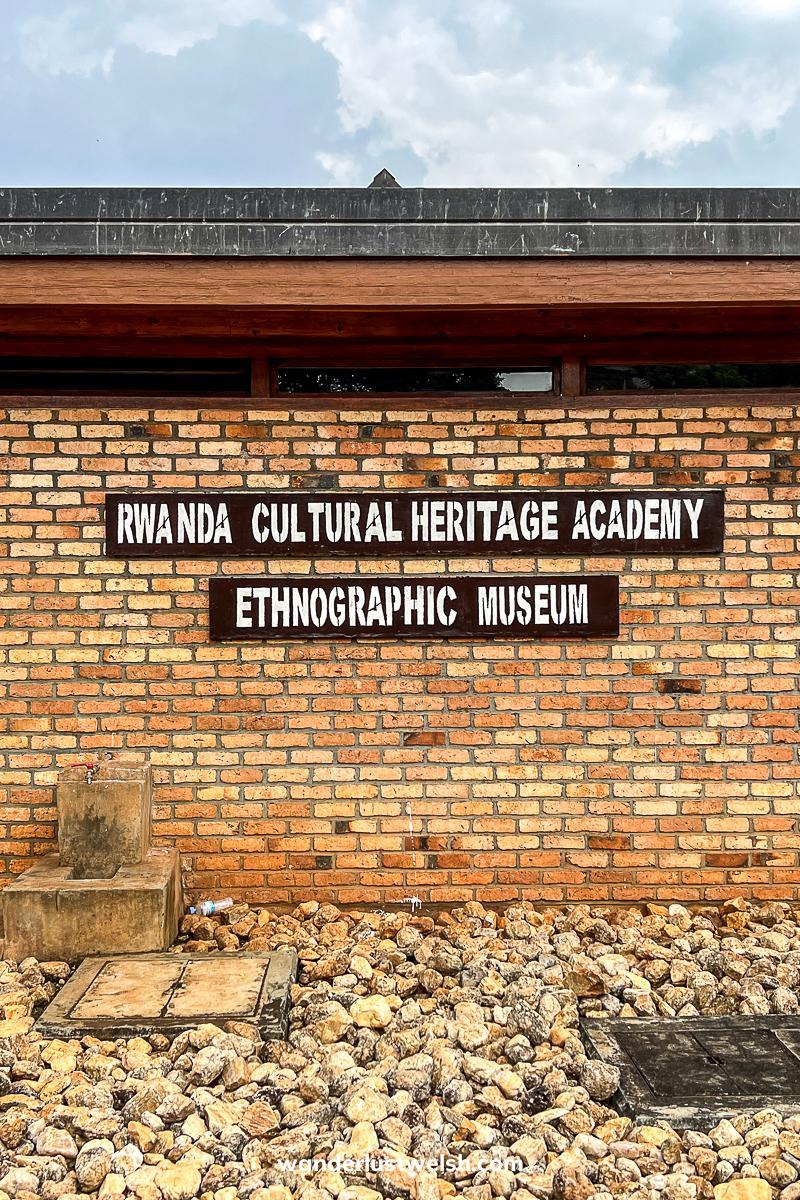
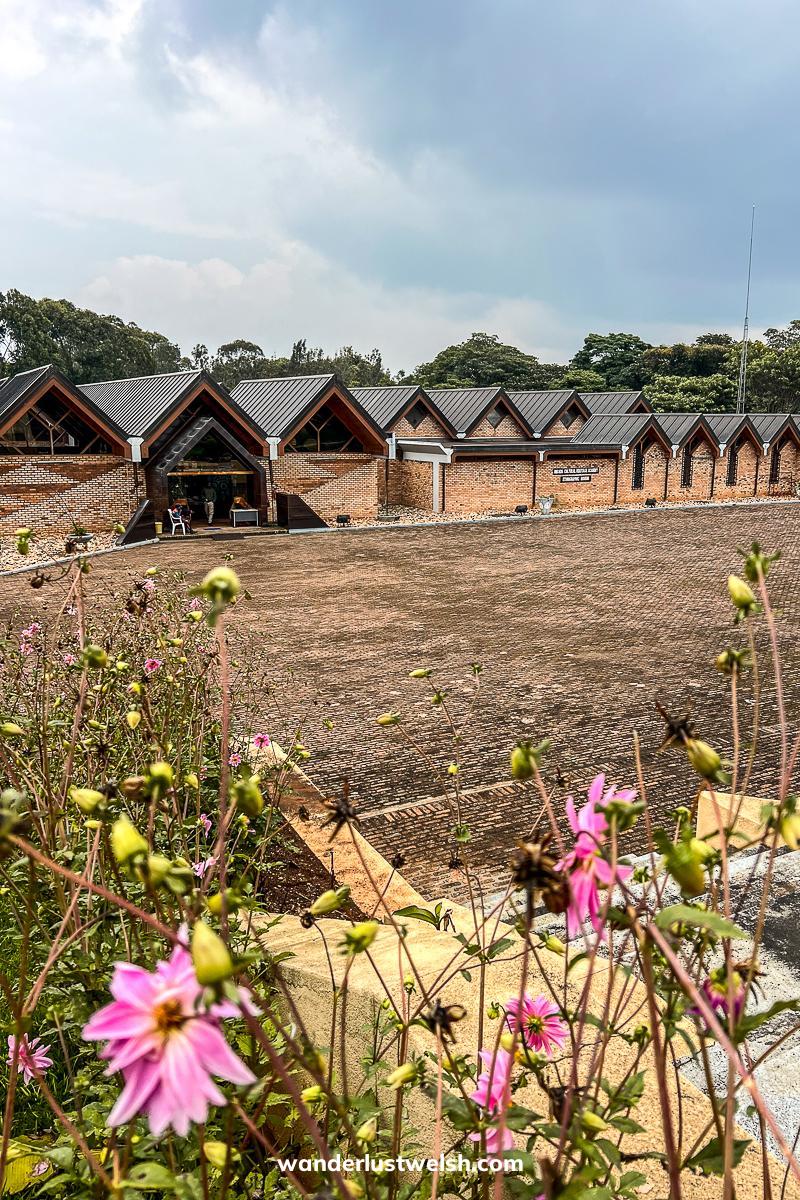
The museum houses a complete overview of Rwandan culture, history, and traditions. Exhibits include traditional clothing, tools, weapons, and crafts, providing insight into the daily lives of Rwandans before the modern era.
On the guided tour, you learn every facet of traditional Rwandan life, from the role of kings and queens to the importance of cattle.
7. Nyungwe Canopy Walk
The Nyungwe Canopy Walk offers a unique way to experience the rainforest from above. This 90-meter-long suspension bridge dangles 50 meters above the ground, offering breathtaking views of the forest canopy and the wildlife that inhabits it.
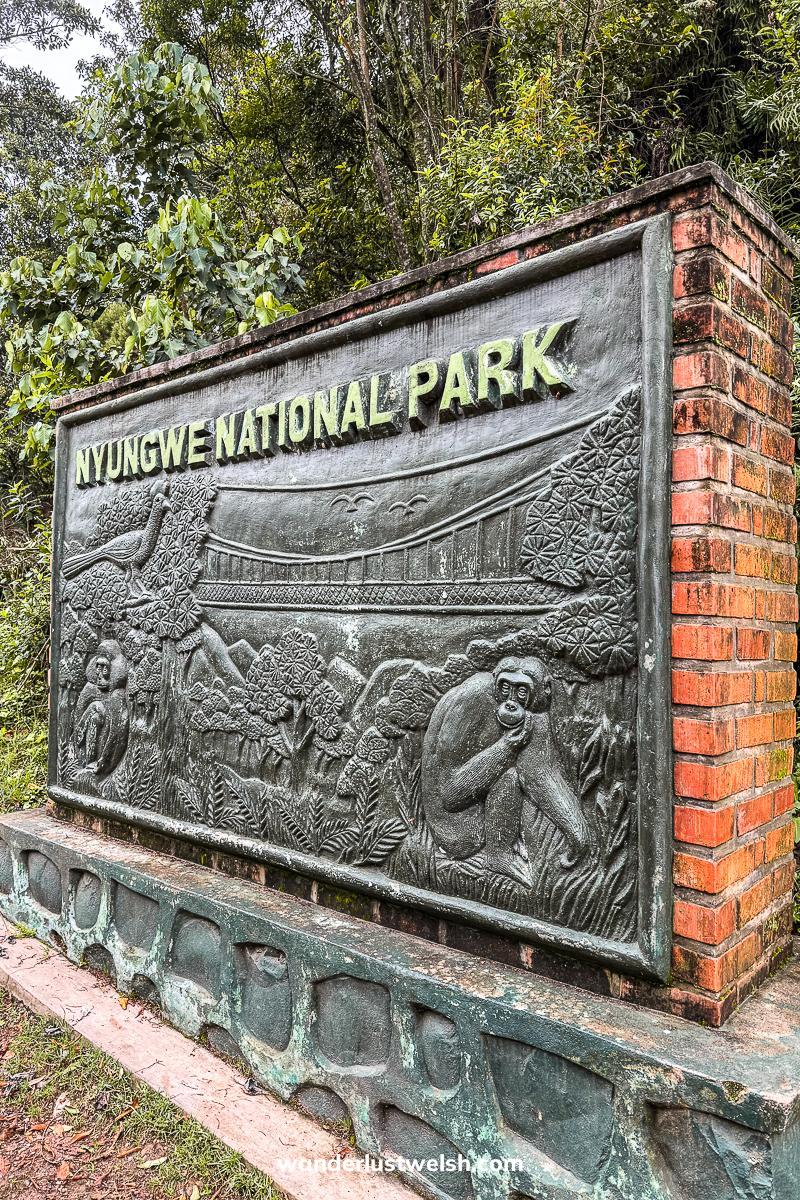
The only downside to the canopy walk is a potentially steep price tag. If you’re already visiting Nyungwe then it’s $40, but if not then you’d need to pay the additional $100 entrance fee to the park.
8. Rwanda Art Museum
The Rwanda Art Museum, located in the former Presidential Palace in Kigali, showcases contemporary Rwandan art. It focuses on works that explore the country’s history, culture, and identity.
The museum’s collection includes paintings, sculptures, and mixed-media installations by both established and emerging Rwandan artists.
The museum itself is set in a building with historical significance, as it was once the residence of Rwanda’s former president.
9. King’s Palace
The King’s Palace in Nyanza is another important cultural site in Rwanda.
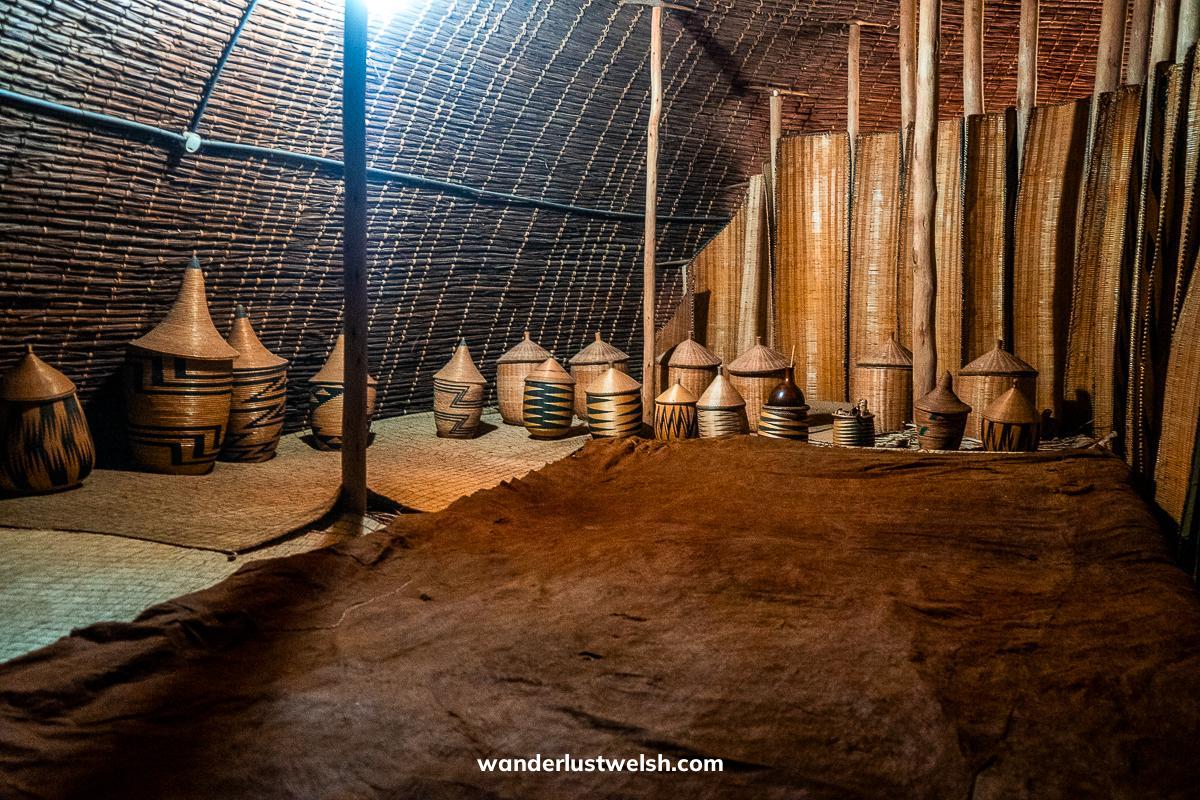
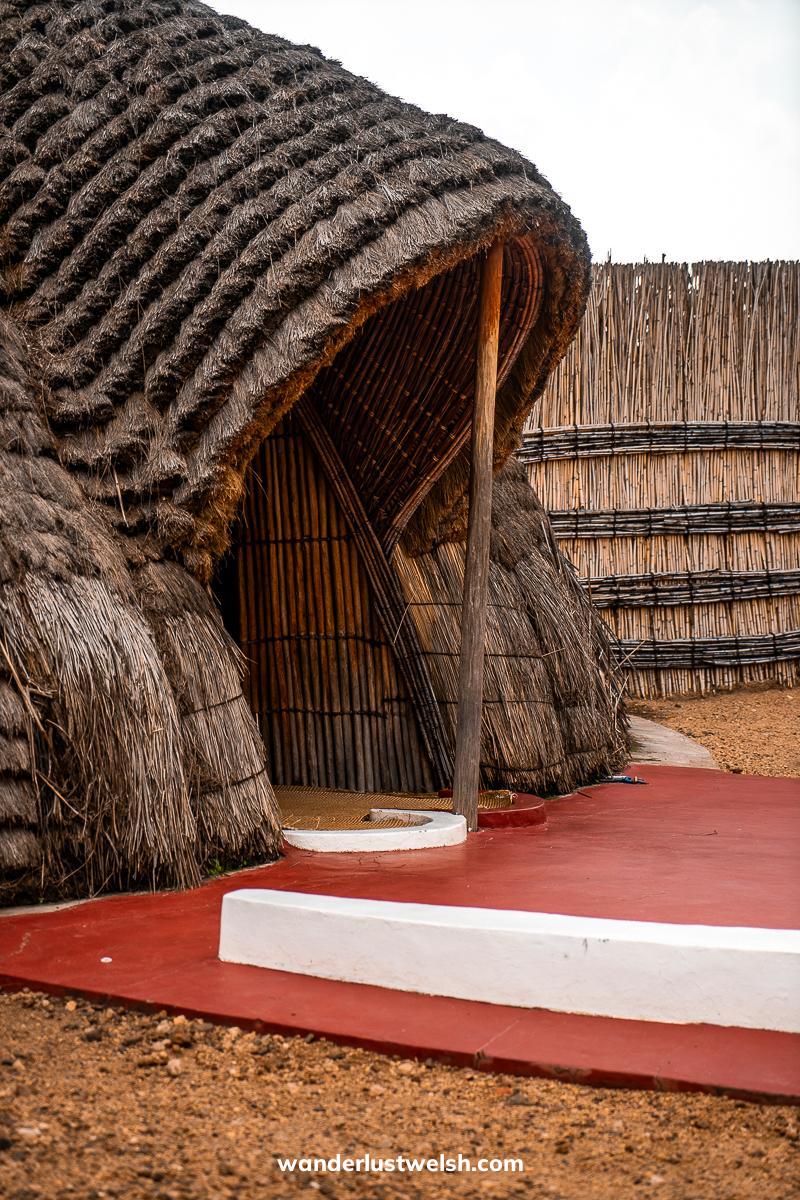
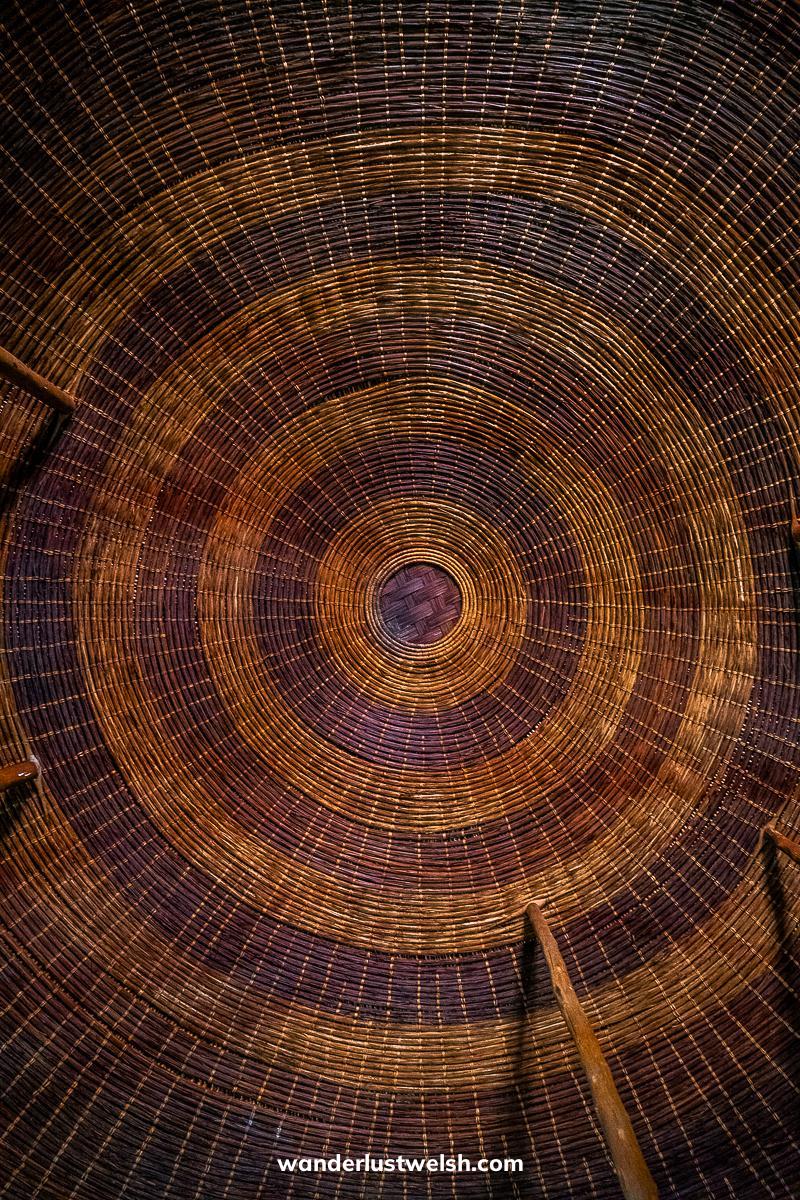
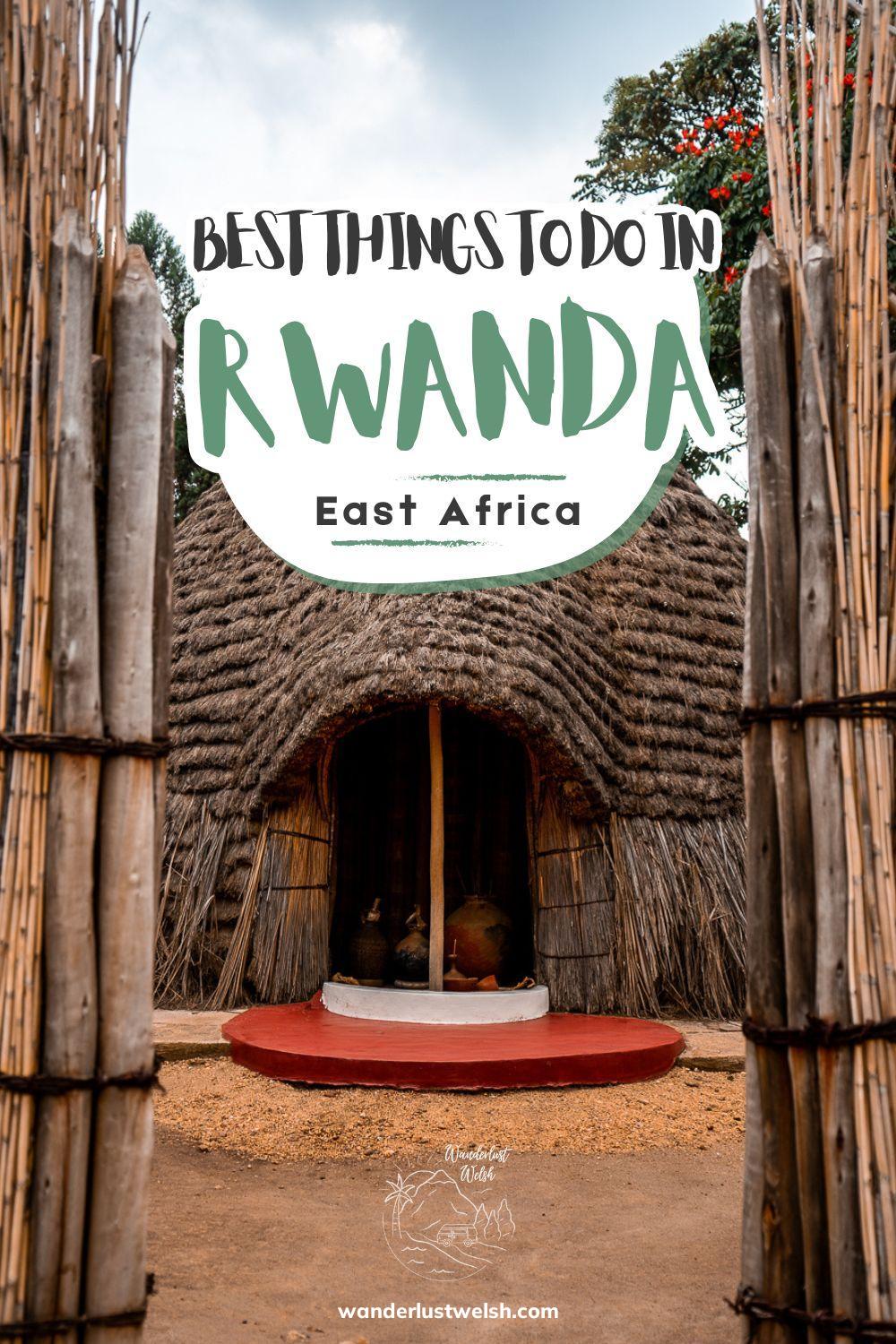
This traditional royal residence—a beehive-shaped thatched house—has been meticulously reconstructed to resemble the original palace that once stood here. The palace offers a glimpse into the life of Rwanda’s monarchs in pre-modern times.
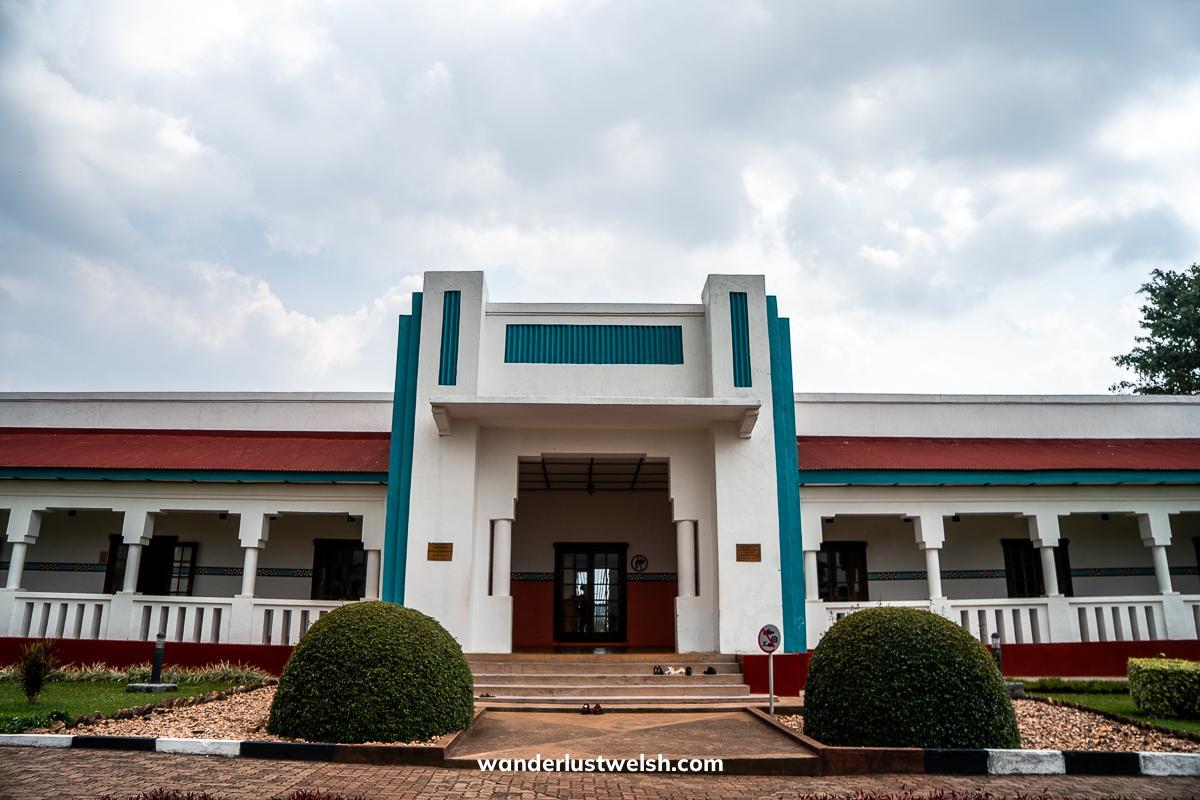
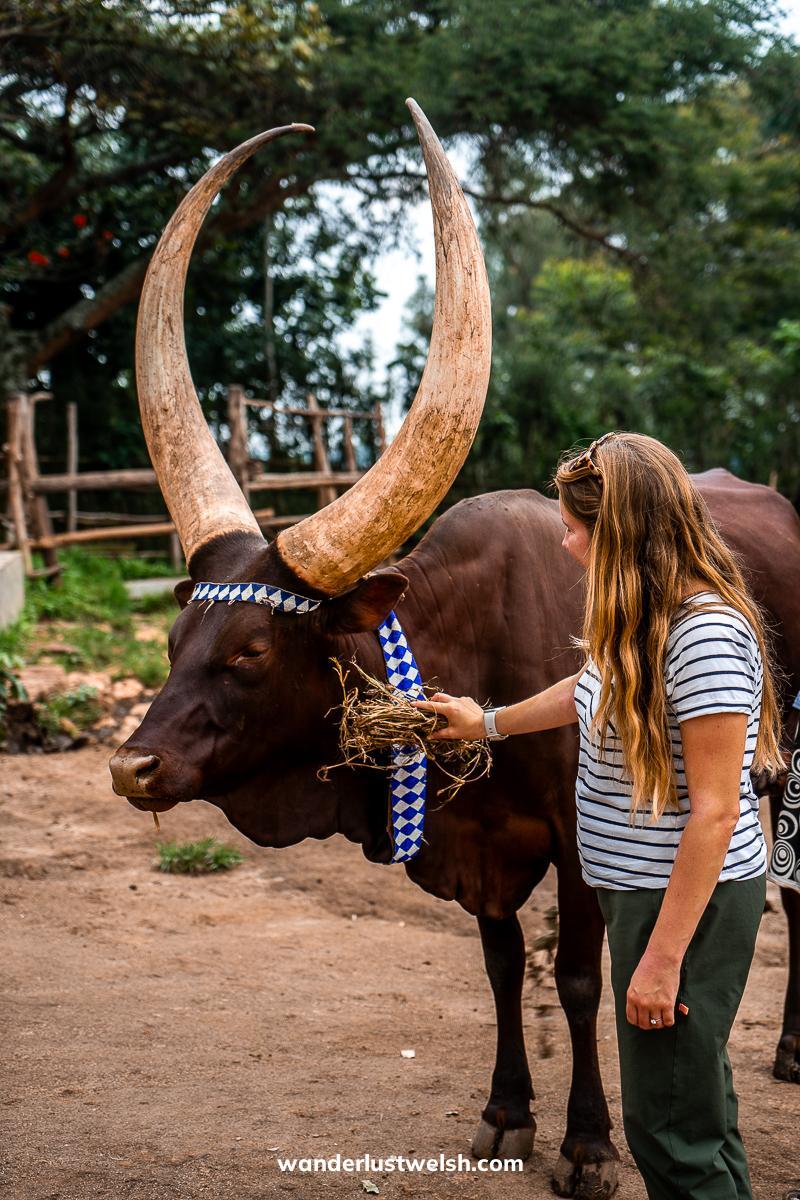
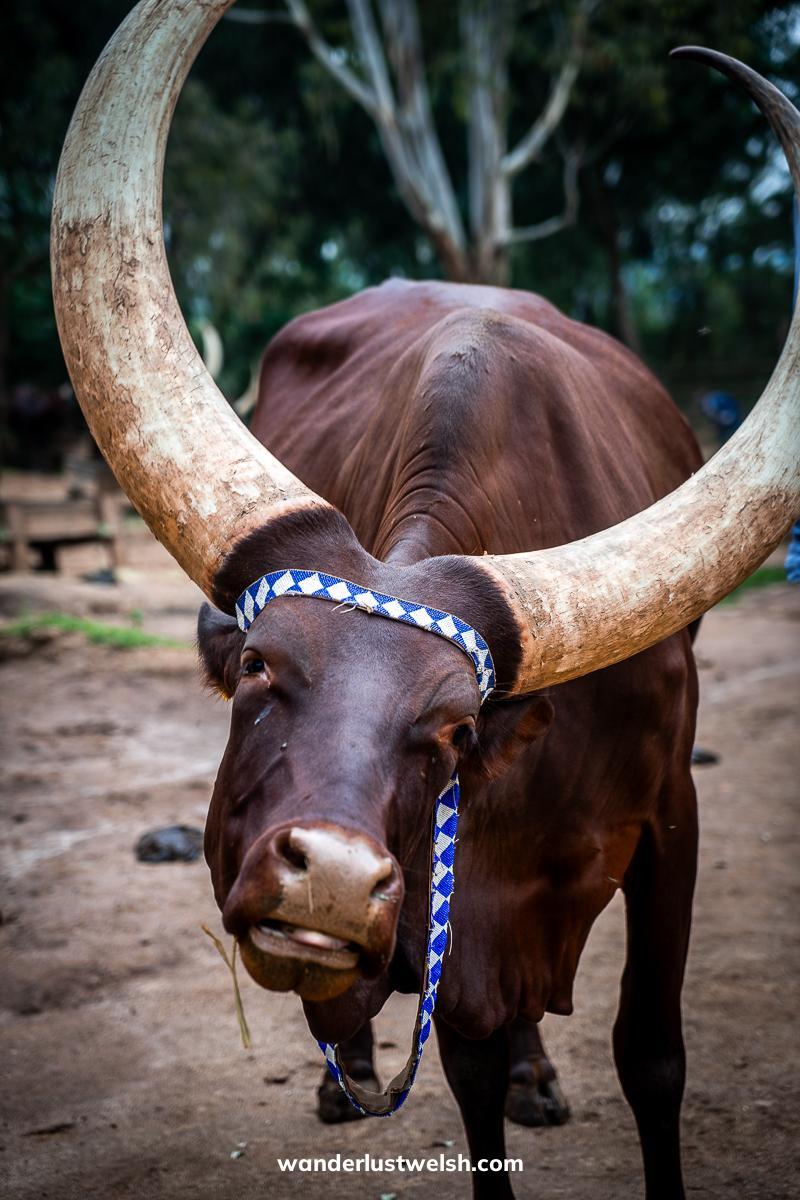
As well as the traditional dwelling, there’s the modern palace built during the colonial era. You can take a guided tour around the royal compound where you’ll learn about the history of the Rwandan monarchy up to the modern day. And you can even meet the long-horned Inyambo cattle, which are considered sacred in Rwandan culture.
10. Kandt’s House Museum
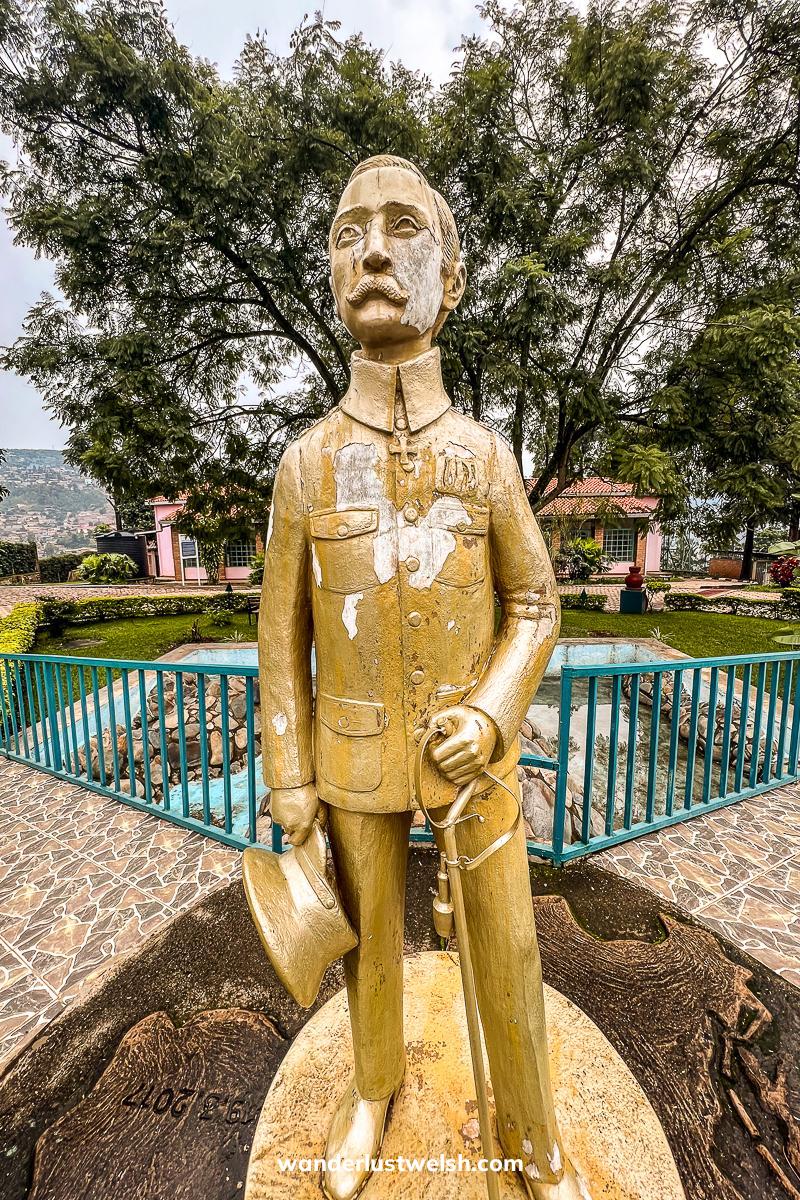
Kandt’s House Museum, located in Kigali, is an interesting historical site looking into Rwanda’s colonial past. Once the home of Dr. Richard Kandt, the first colonial governor of Rwanda under German rule, the museum now offers visitors a glimpse into Kigali’s transformation over the years.
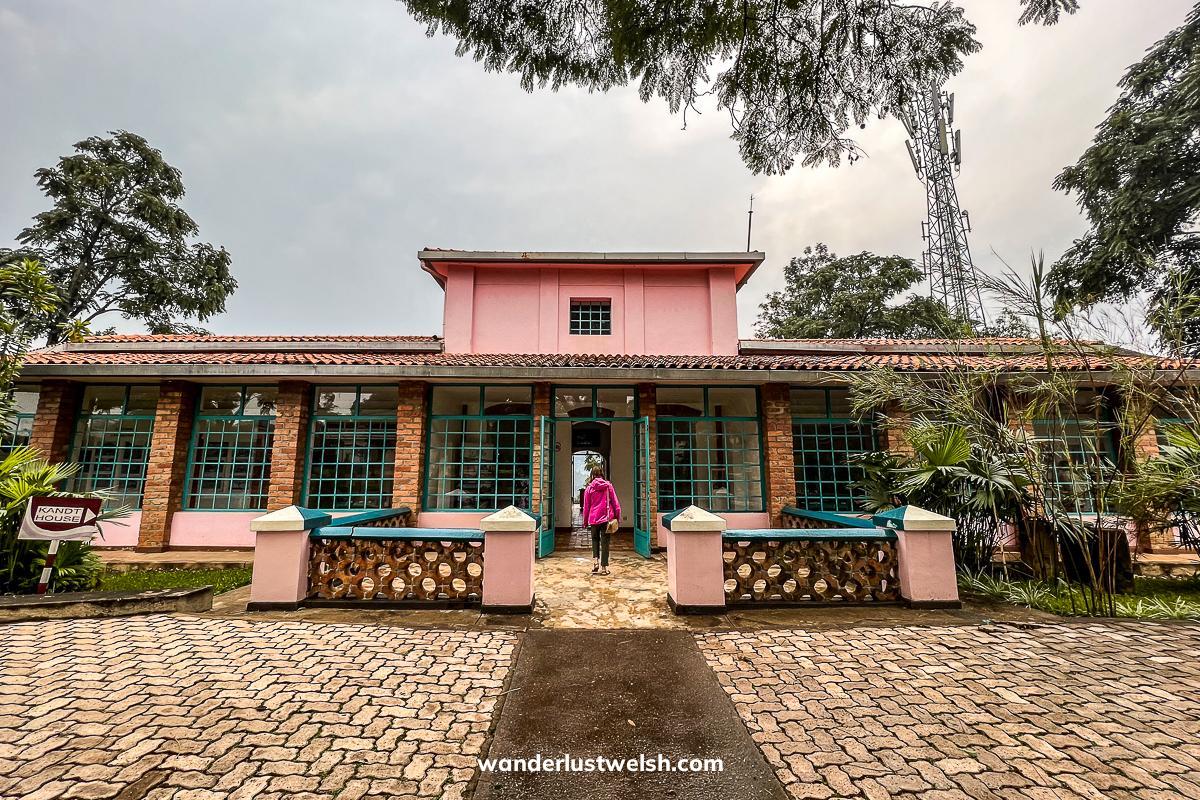
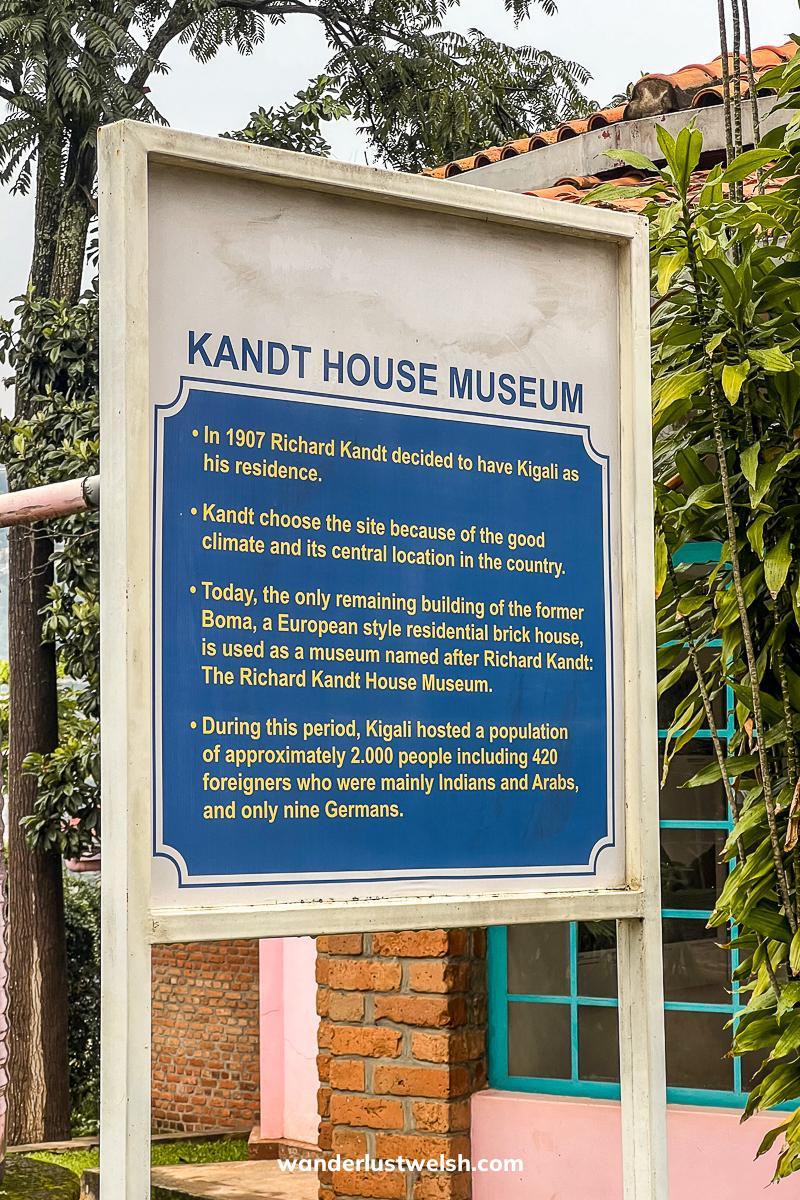
It focuses on the early history of Kigali and the broader region, displaying exhibits about the natural history of Rwanda and the German colonial period. The museum is not only informative but also provides panoramic views of Kigali from its location on Nyarugenge Hill.
11. Museum of the Environment
The Museum of the Environment, located on the shores of Lake Kivu in Karongi, is a unique museum dedicated to environmental conservation and sustainability. The museum features exhibits on Rwanda’s natural resources, biodiversity, and the challenges of environmental degradation.
The Museum of the Environment is a great place to learn about Rwanda’s efforts to protect its natural habitats.
Where to Stay in Rwanda
Rwanda is relatively small, and Kigali, the capital, is centrally located, making it a convenient base for exploring the country. Here are some great options for luxury, mid-range, and budget travelers.
Luxury: The Retreat is a top luxury choice in Kigali. A boutique hotel with eco-friendly villas, private gardens, an outdoor pool, spa, and fine dining. The Retreat is renowned for its exceptional service and beautiful setting.
Mid-Range: Kigali Marriott Hotel is located in the heart of the city and offers a perfect balance of comfort and affordability. With spacious rooms, a pool, fitness center, and several dining options, it’s a great mid-range choice.
Budget-Friendly: If you’re traveling on a budget, Yambi Guesthouse offers clean, comfortable rooms just outside the city center for a good price.
Rwanda FAQs
How Many Days Should You Spend in Rwanda?
The ideal amount of time to spend in Rwanda depends on what you want to see and do. For a comprehensive experience that includes gorilla trekking, visiting the Kigali Genocide Museum, and exploring Nyungwe and Akagera National Parks, you should plan to spend at least 7 to 10 days in the country.
Is Rwanda Safe for Tourists?
Rwanda is considered one of the safest countries in Africa for tourists. The country has made significant strides in improving security and infrastructure since the 1994 genocide. Kigali, in particular, is known for its cleanliness and low crime rate. However, as with any destination, it’s important to stay aware of your surroundings and follow local advice, especially when traveling at night and to remote areas.
Is Rwanda Worth Visiting?
Rwanda is definitely worth visiting. The country’s unique combination of wildlife, culture, and history makes it a standout destination in Africa. While some activities can be expensive, the experiences you will have in Rwanda are incredible.
Is Rwanda a Cheap Country?
Rwanda is not a cheap destination, especially when it comes to activities in the national parks like gorilla trekking. These experiences come with high costs, making Rwanda one of the more expensive countries to visit in Africa. However, you can find more affordable options for accommodation and dining, especially in urban areas like Kigali.
Do They Speak English in Rwanda?
Yes, English is widely spoken in Rwanda, especially in urban areas and among younger generations. English is one of the official languages of Rwanda, alongside Kinyarwanda, French, and Swahili. Most people working in the tourism industry, such as guides and hotel staff, speak English, making it easy for English-speaking tourists to get around.
Do You Need a Visa for Rwanda?
Yes, most visitors need a visa to enter Rwanda. You can obtain a visa on arrival at Kigali International Airport or apply for an e-visa online before your trip. The visa process is straightforward, and most nationalities can obtain a 30-day tourist visa for $50. Rwanda also offers a joint East Africa Tourist Visa, which allows entry to Rwanda, Uganda, and Kenya on a single visa, making it convenient if you’re planning to visit multiple countries in the region.
11 Best Things to Do in Rwanda
Don't Forget to Pin it for Later
More Africa Travel
Find more of our Africa travel guides below:
-

11 Best Things to Do in Rwanda